Follow the Expert: The Secret to Fast, Effective Iron Removal
If your paint feels gritty right after a wash, iron powder is the culprit. Here is what it does to your clear coat and the clay-tool method professionals use to strip it safely.
لم تُترجم هذه الصفحة بعد وتُعرض بالإنجليزية.
Drivers who often DIY-wash their own car will feel the paint go rough under their hand right after washing. What are these deposits stuck to the body, and how should they be removed? Here is the most practical iron-removal method, straight from the detailing floor.
Besides the windshield, the body paint is the most exposed part of a car — tested by the environment from the day it leaves the factory. Water spots, bird droppings, acid rain, insect residue and fruit juice all attack the paint during everyday driving. If it isn't cleaned in time, the paint's practicality and protection drop sharply. On top of all that, there is one more persistent troublemaker: iron powder.
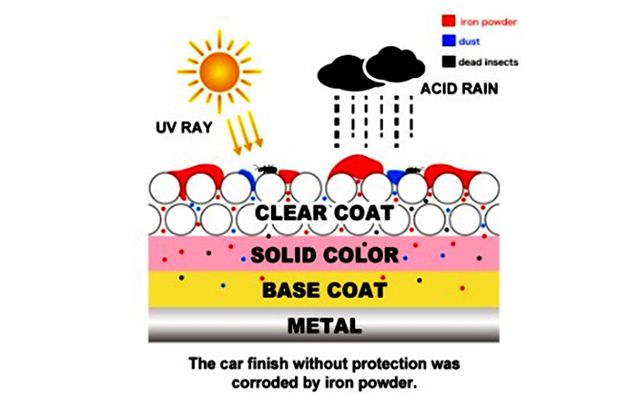
How much damage does iron powder do to car paint?
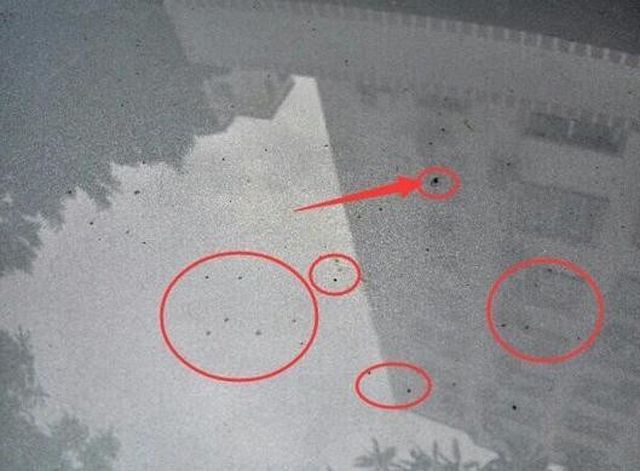
Iron powder bonds tightly to the paint surface, and water or car-wash foam alone can't remove it. Left untreated, sun exposure and acid rain oxidize it into yellow-brown rust spots that slowly penetrate and corrode the paint underneath.
Paint loses its luster, fades and deteriorates — in serious cases it can no longer be polished back and the panel has to be re-sheet-metalled and repainted.
What is actually causing the rough feel — tar, iron powder, or insect residue?
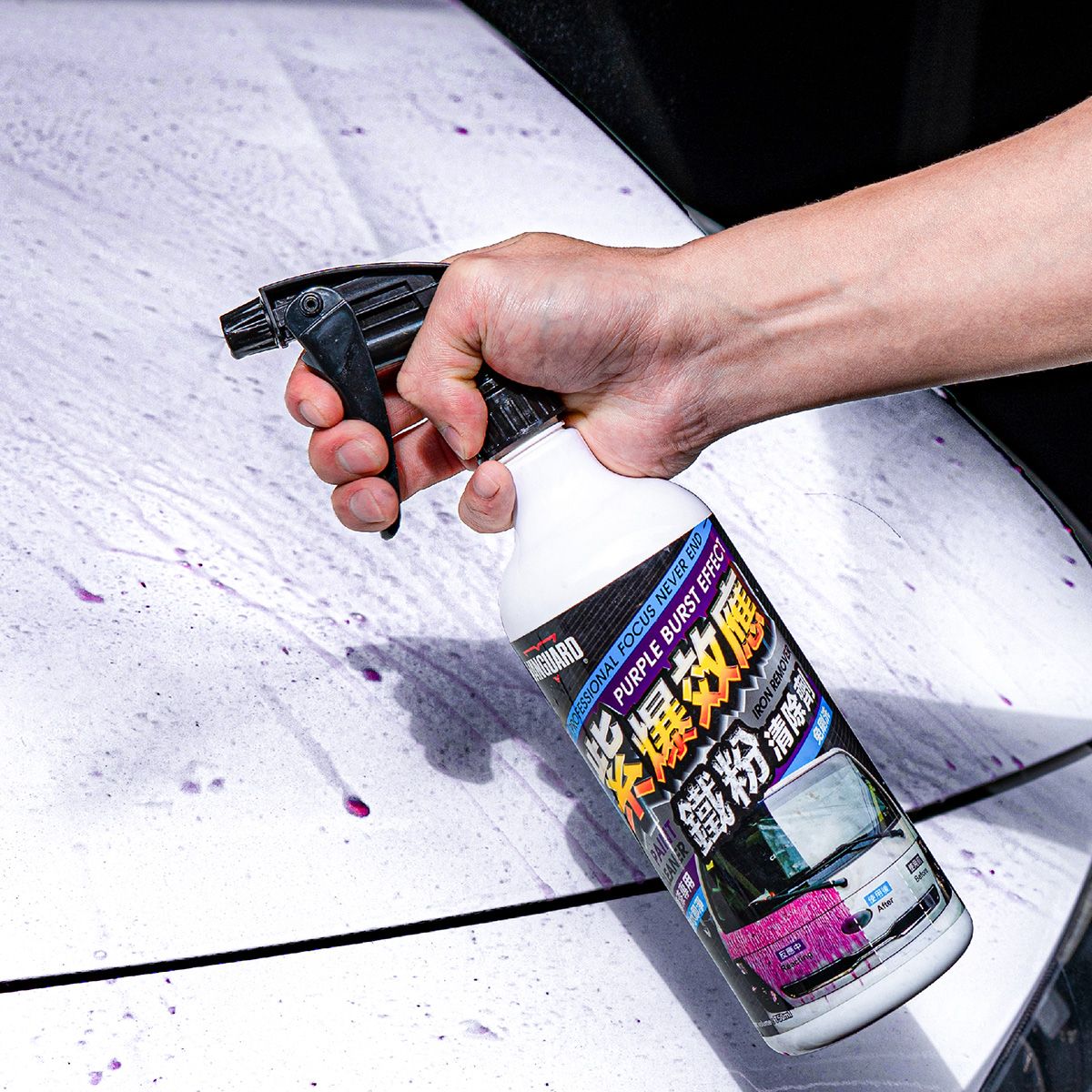
Paint with heavy iron-powder contamination has an obvious gritty feel under the hand. Car-wash foam alone can't remove it, tar remover doesn't help, and off-the-shelf iron removers — the ones that turn purple on contact — only dissolve part of the particles, so a few passes are rarely enough.
The practical fix:
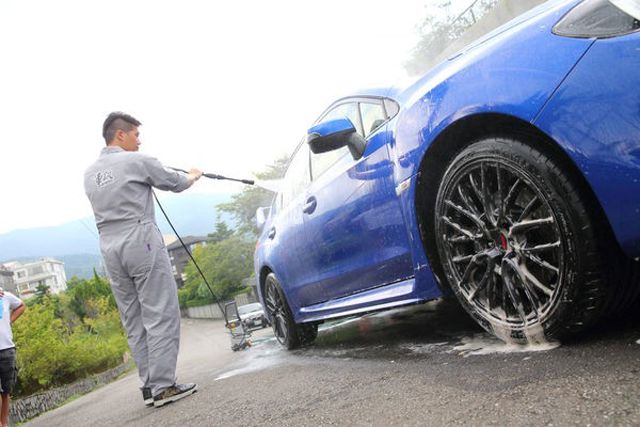
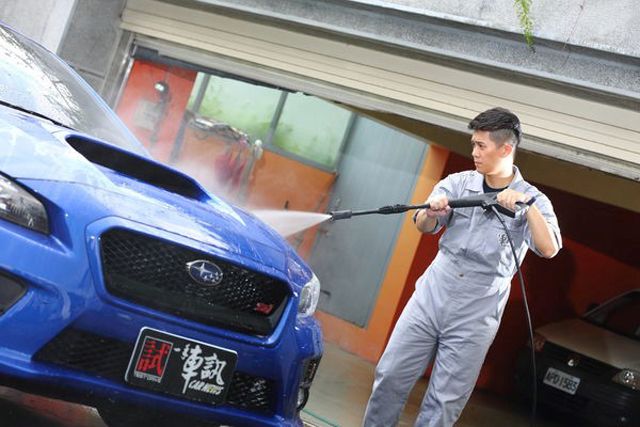
- Wash the body thoroughly.
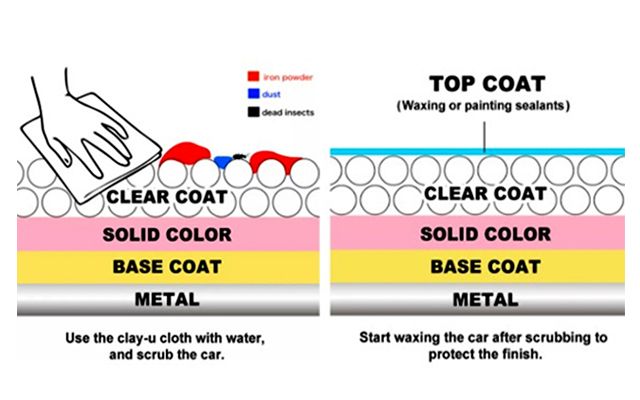
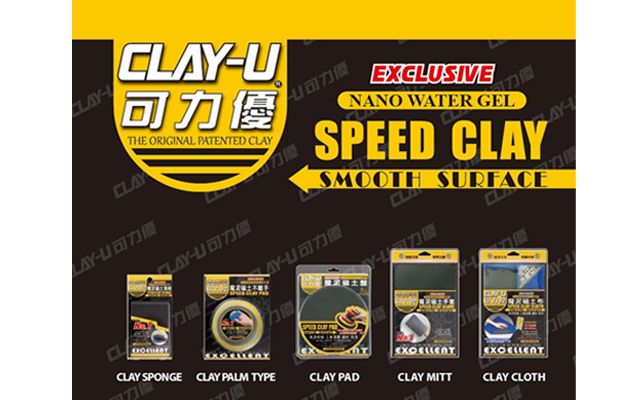
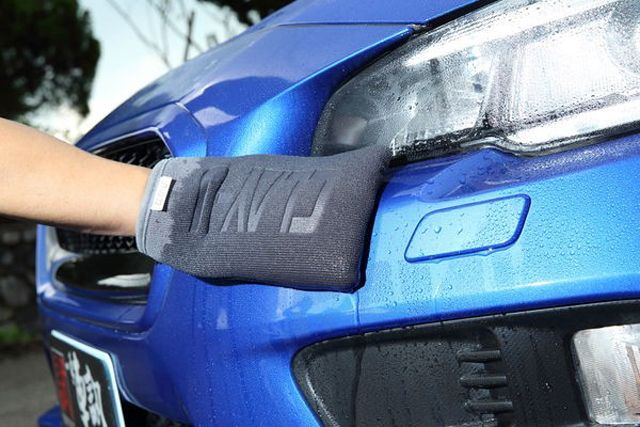
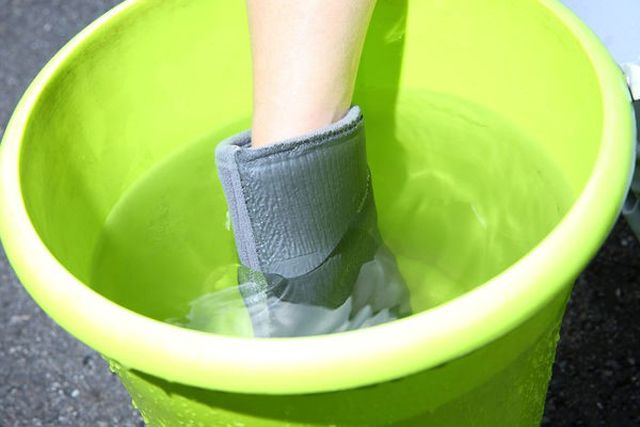
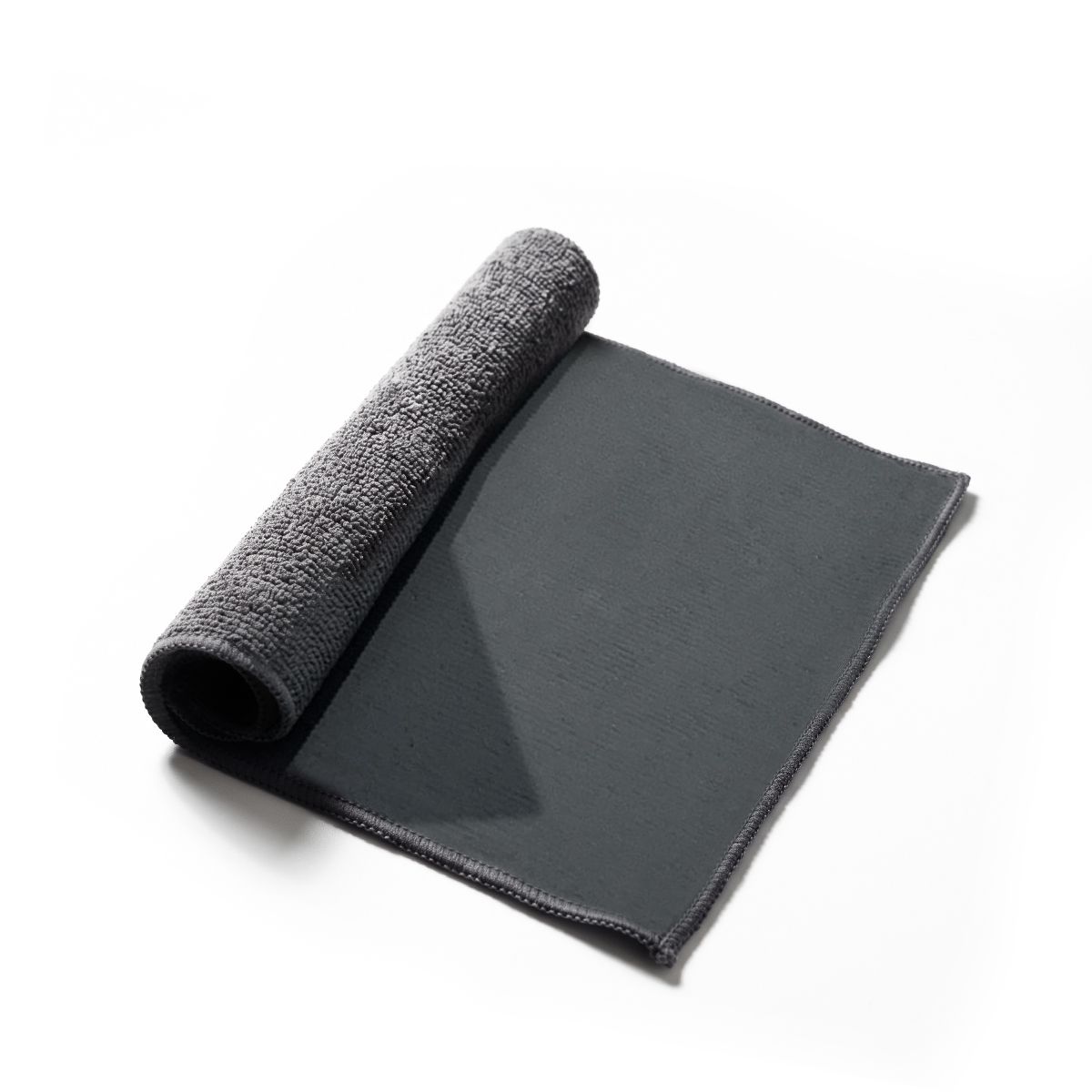
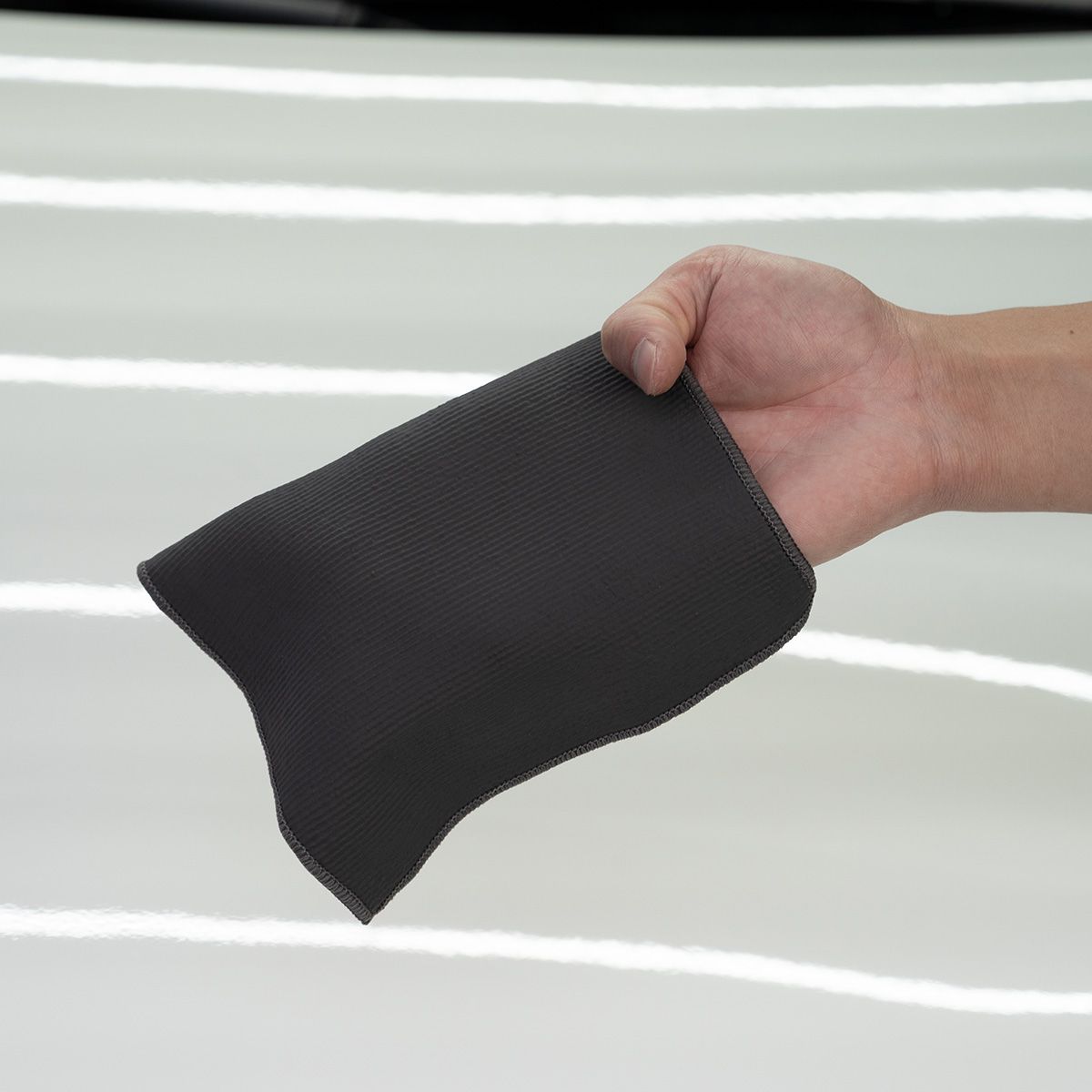
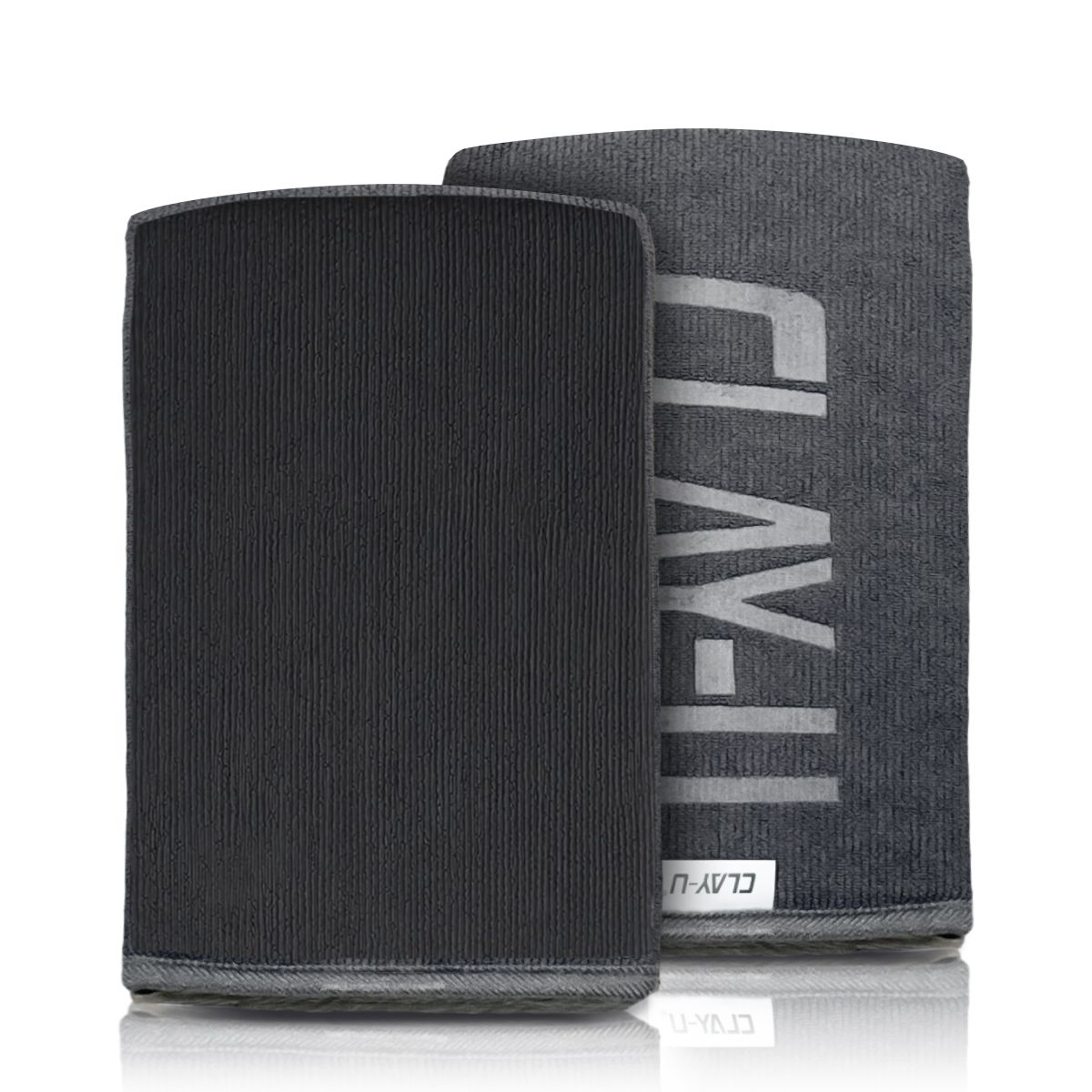
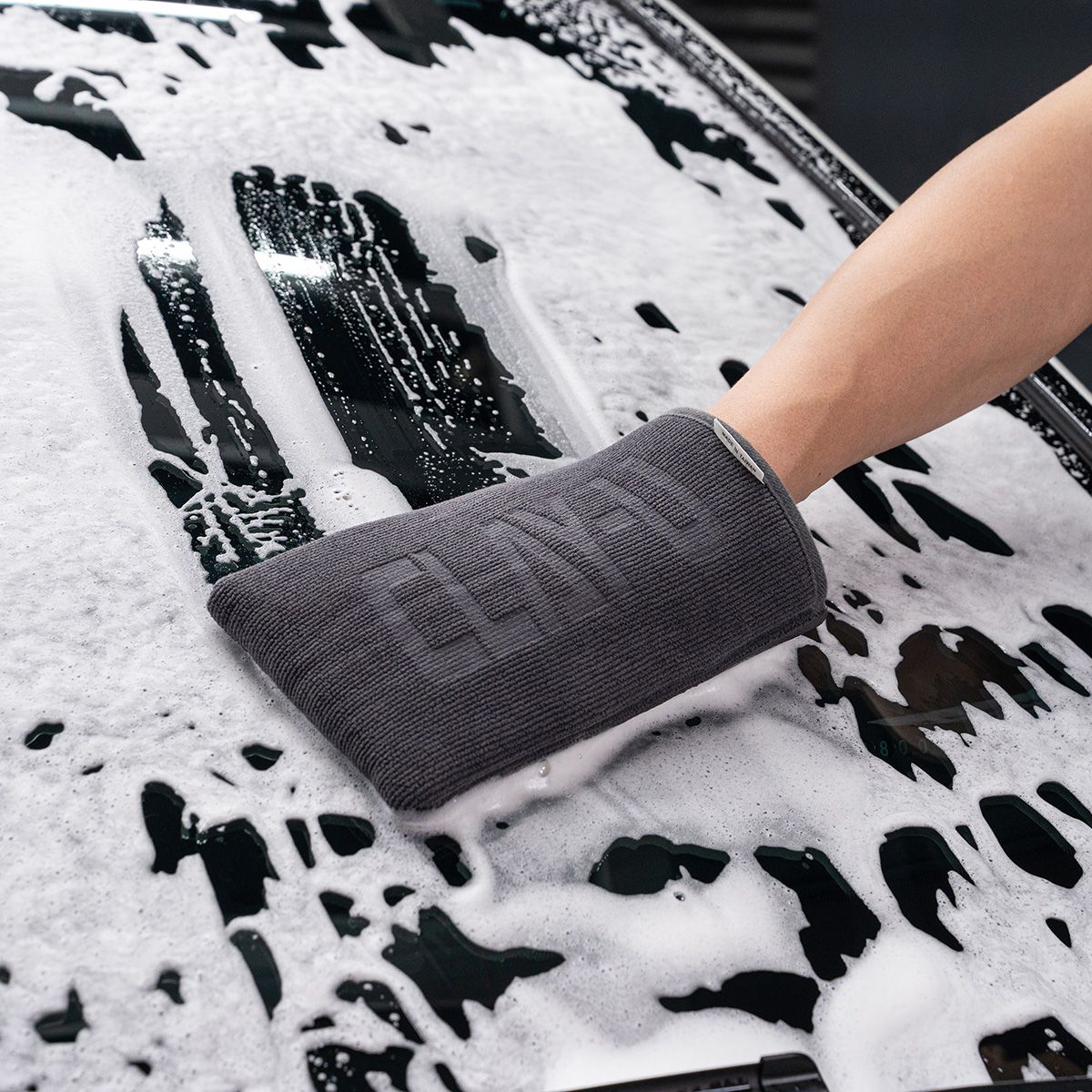
- Take a clay towel, glove or sponge, soak it in clean water, and gently wipe the whole car.
- The rough feel disappears almost instantly and the paint becomes smooth again.
Once the paint feels smooth, follow up with a protective wax or polymer sealant spray.
What is a clay tool?
- Taiwan-patented nano technology combines nano-scale active ingredients with an ultra-fine fiber cloth to maximize the clay effect.
- It increases the treated area and speeds up decontamination, easily lifting long-accumulated grime, iron powder, industrial dust and tar so the paint surface becomes smooth again.
- The ergonomic sizing makes it easy for beginners, and water alone reduces friction against the paint — replacing the inconvenience of a traditional clay bar.
How to use a clay tool
- There's no need to dry the car after washing — dust and mud may still be sitting on the paint.
- Fully soak the clay towel, glove or sponge with clean water or car-wash foam, and gently wipe the whole car, including the glass.
- Re-wet and re-lubricate the clay cloth, glove or sponge as you go, to avoid scratching the paint.
- Once the whole car is clean, rinse the body with clean water.
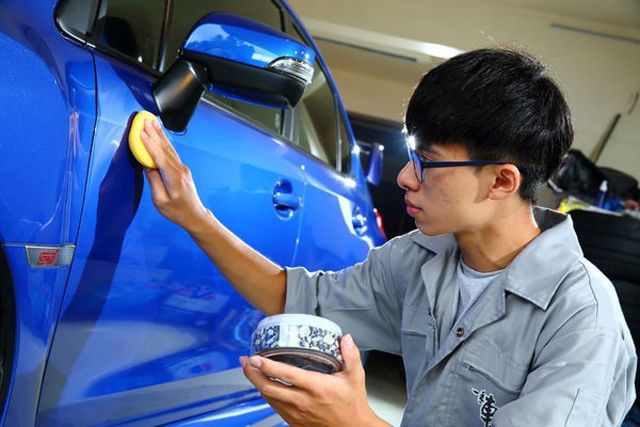
- After drying the car, apply wax or a polymer sealant to complete the paint maintenance.
What to watch for when using clay tools
- Never mix with petrochemical cleaners such as tar remover or emulsion wax.
- Don't wipe with excessive force — it can produce fine scratches.
- If fine scratches do appear, an emulsion wax can help remove them.
- Never leave clay tools in an environment above 40°C for long periods.
- Avoid using them in direct sunlight.
- If the surface of the clay tool becomes heavily contaminated, replace it immediately to avoid scratching the paint.
- After use, air-dry it in a cool spot and store it in its blister case.