Why Do Your Wipers Still Judder After the Glass Is Clean?
Wipers still juddering after a wash? Check the glass for bonded particles first, then the rubber element, its coating, the arm pressure and the angle.
لم تُترجم هذه الصفحة بعد وتُعرض بالإنجليزية.
If you have already ruled out oil film, rain repellent and glass coating, wiper judder almost always comes from one of two places: contamination still stuck to the glass, or the wiper assembly itself. Wash the windscreen, then run your fingers across it. If it still feels gritty, the glass is not clean yet; if it feels smooth, turn your attention to the rubber element, the wiper arm and the pressure between them.
Why does washed glass still feel gritty?
Because a wash does not lift everything. Industrial fallout, overspray, bee droppings, bird droppings and insect remains can all end up attached to the glass, and they stay there after a normal wash.
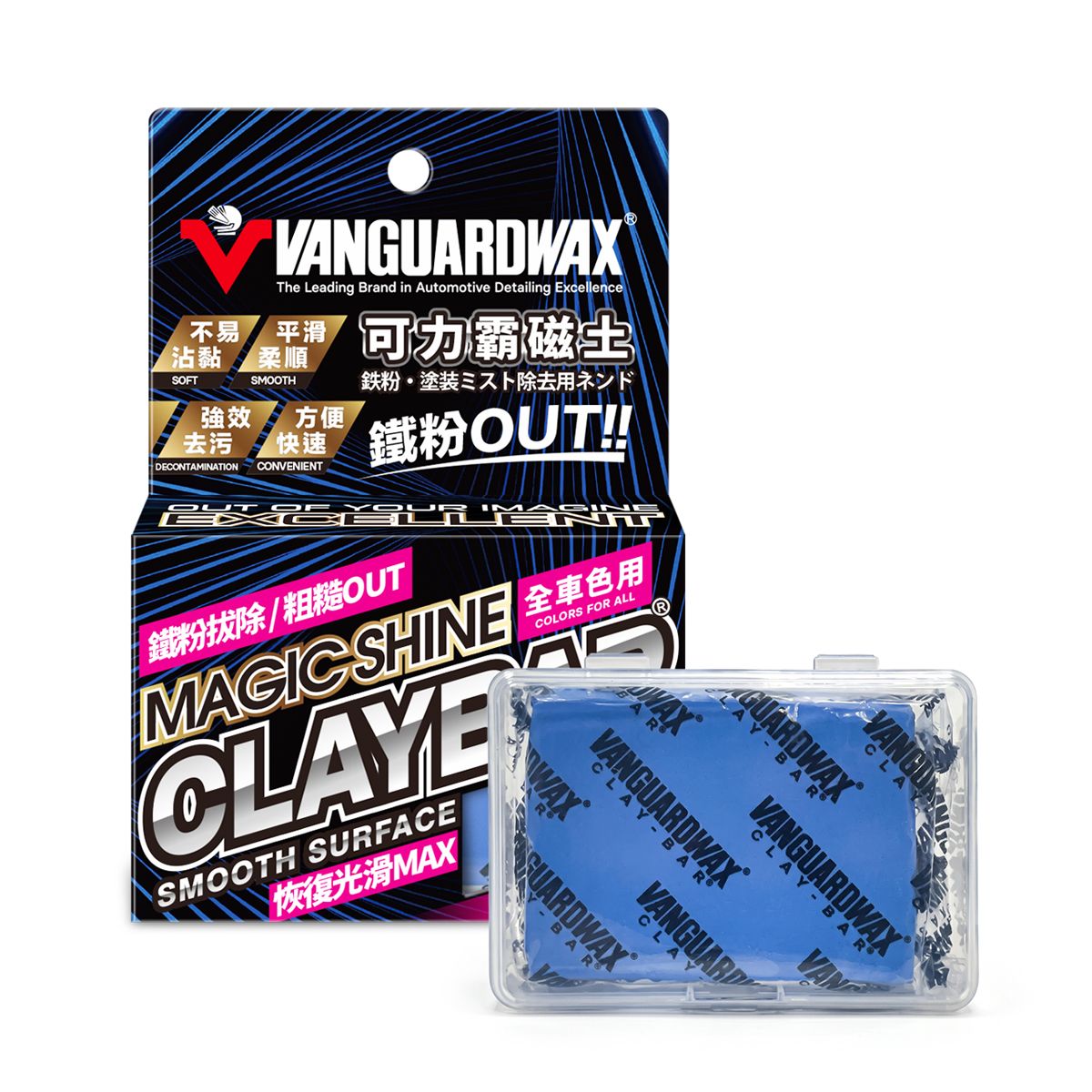
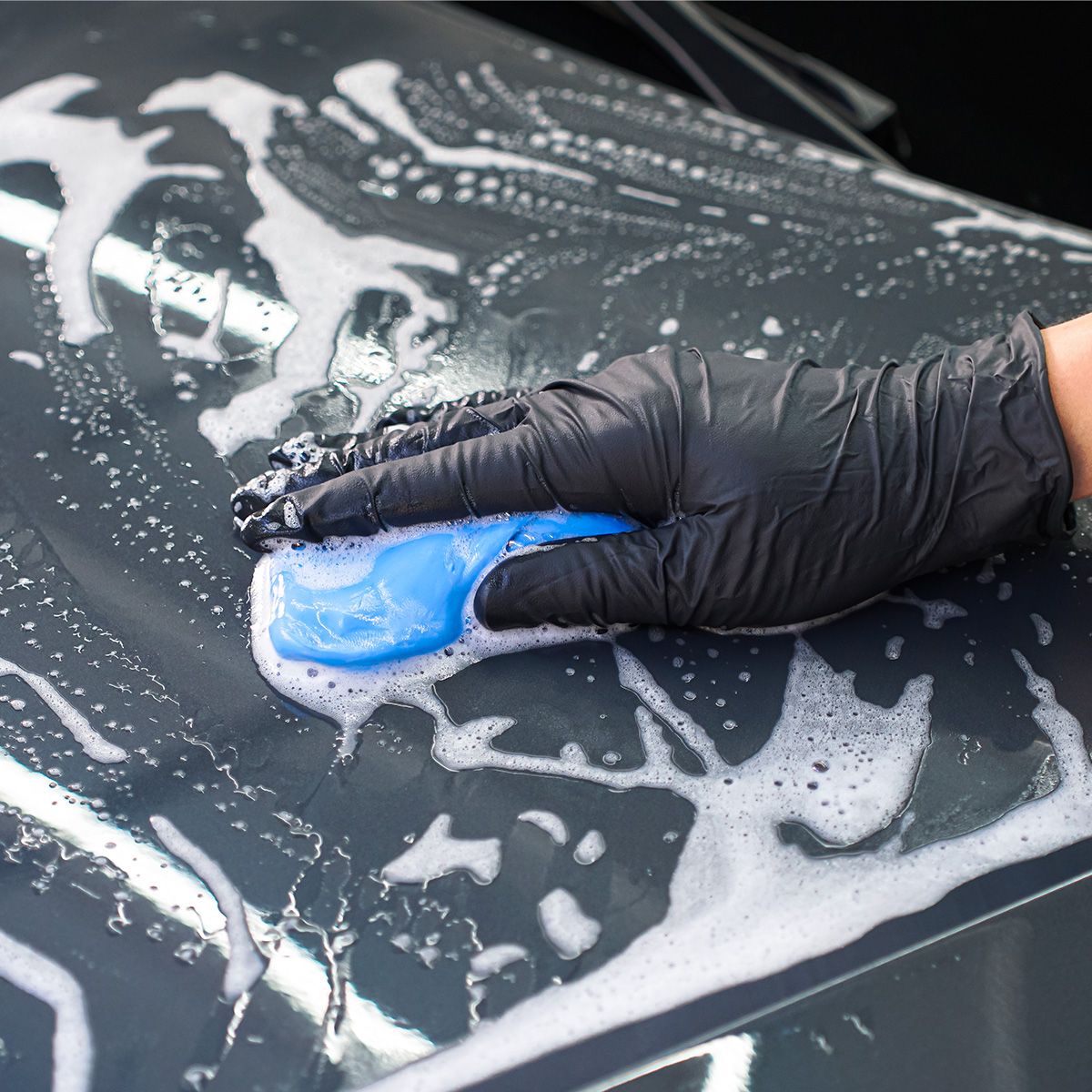
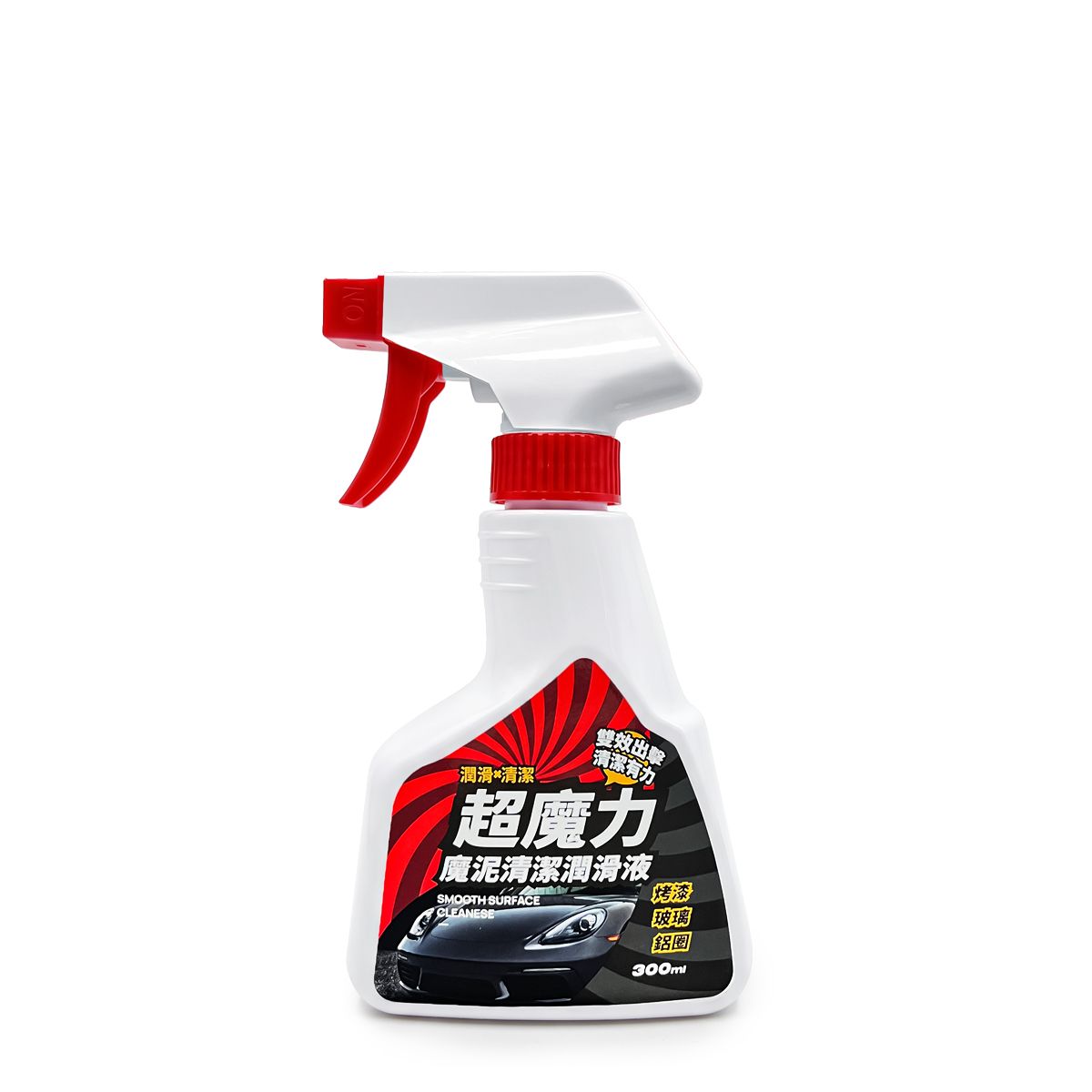
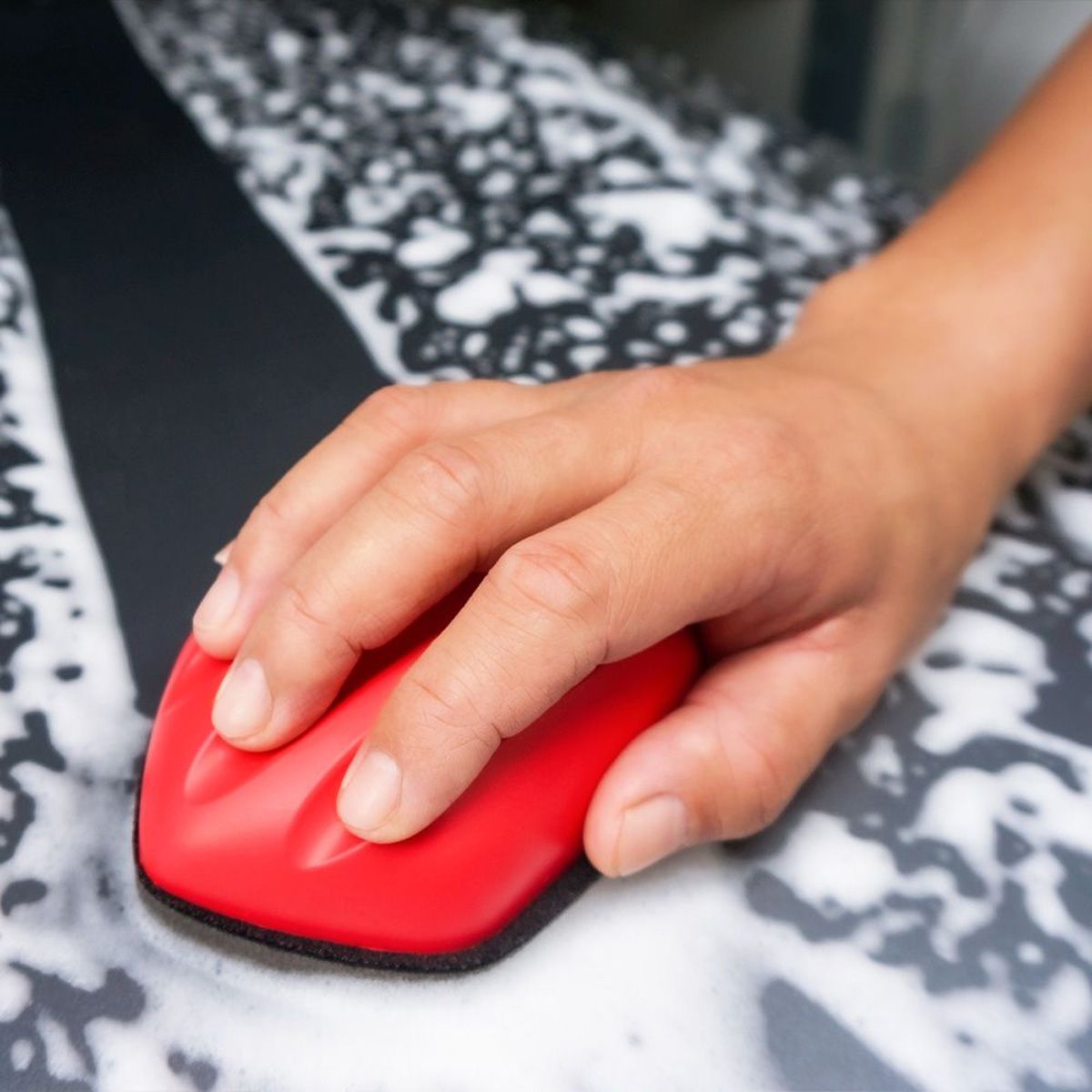
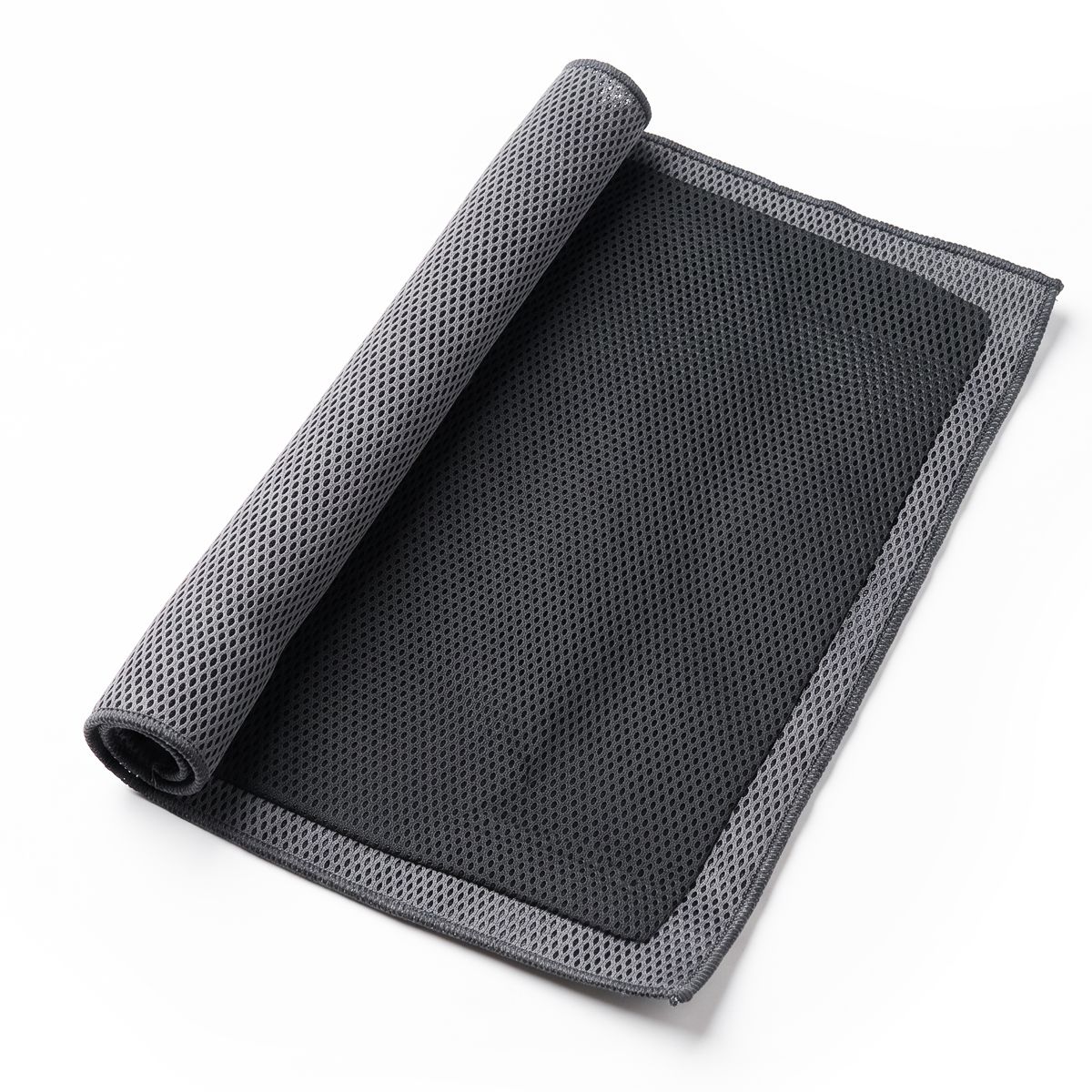
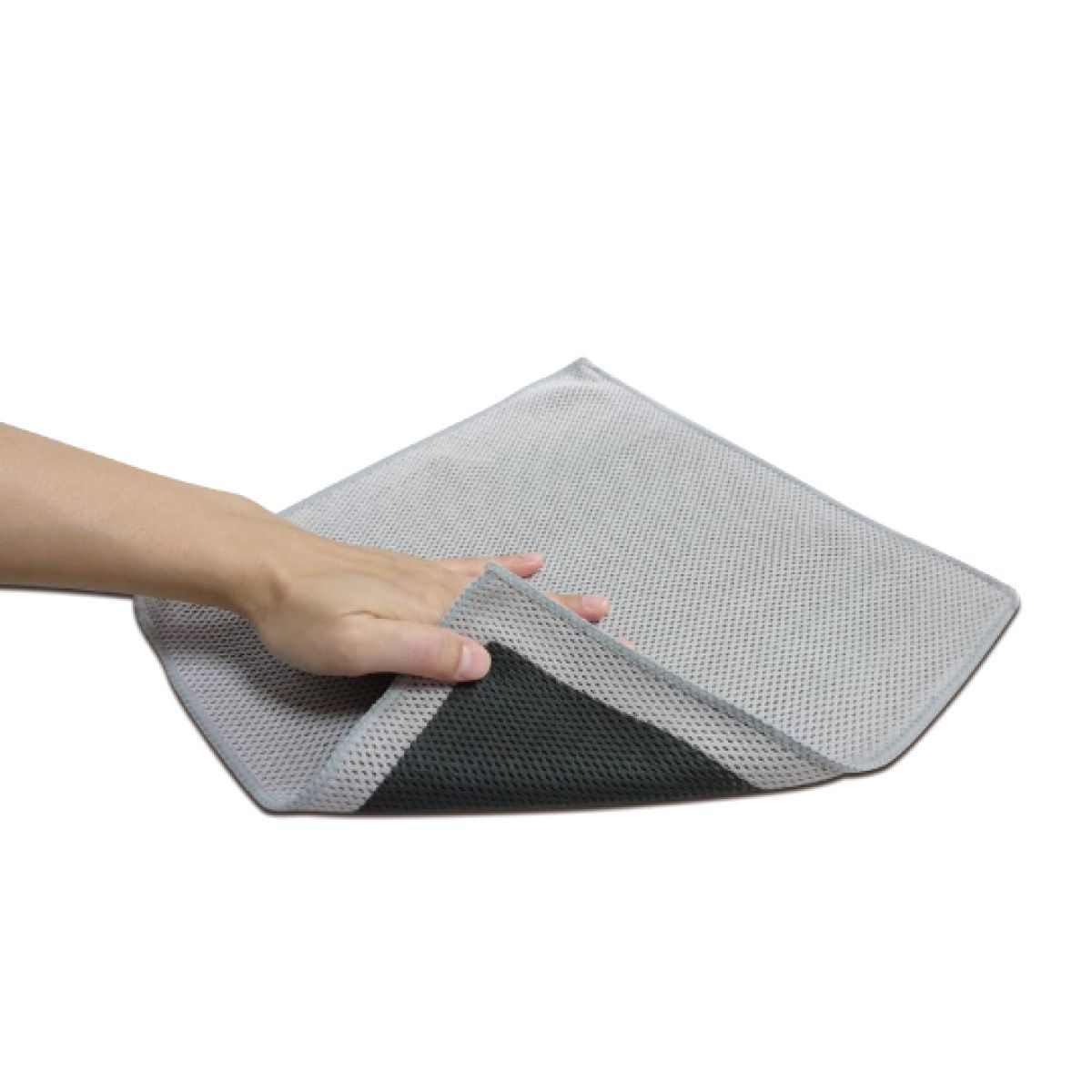
Your hand is the test. If you have cleaned the glass with wash foam and you can still feel particles under your fingertips, follow the wash with a clay bar pass over the glass. That is what makes the glass genuinely clean.
What if conditions don't let you clean the glass in time?
Build washer fluid into your routine so the glass gets some help on every drive.
If you set off without cleaning the glass, spraying water at least provides some lubrication. The rule to remember is to avoid letting the wipers run dry, so that dust is not dragged across the glass and left as scratches.
Choose a washer fluid from a brand with a name to protect. Some washer fluids attack paint where they land on panels, and some leave water marks behind easily.
Can dish soap or glass cleaner replace washer fluid?
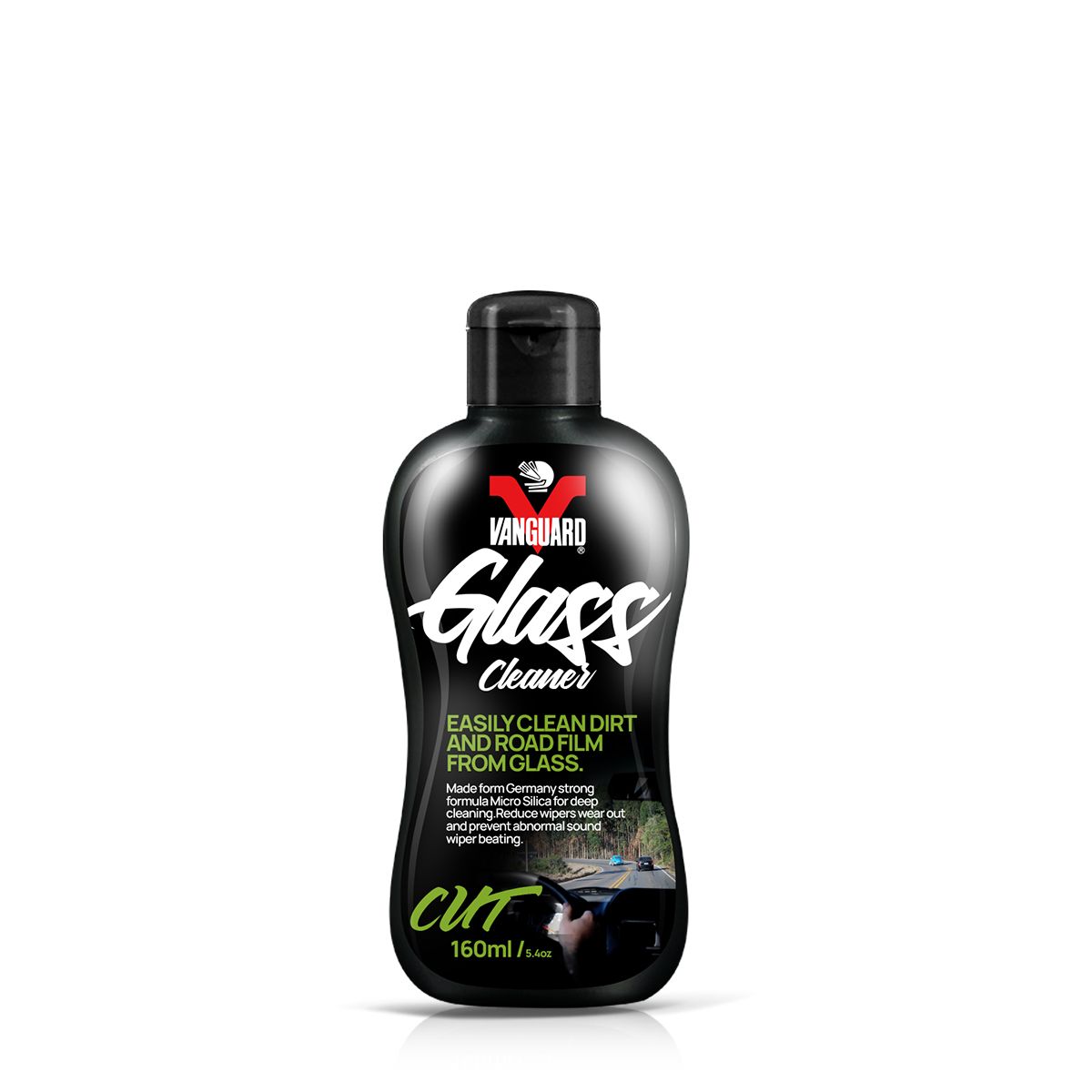
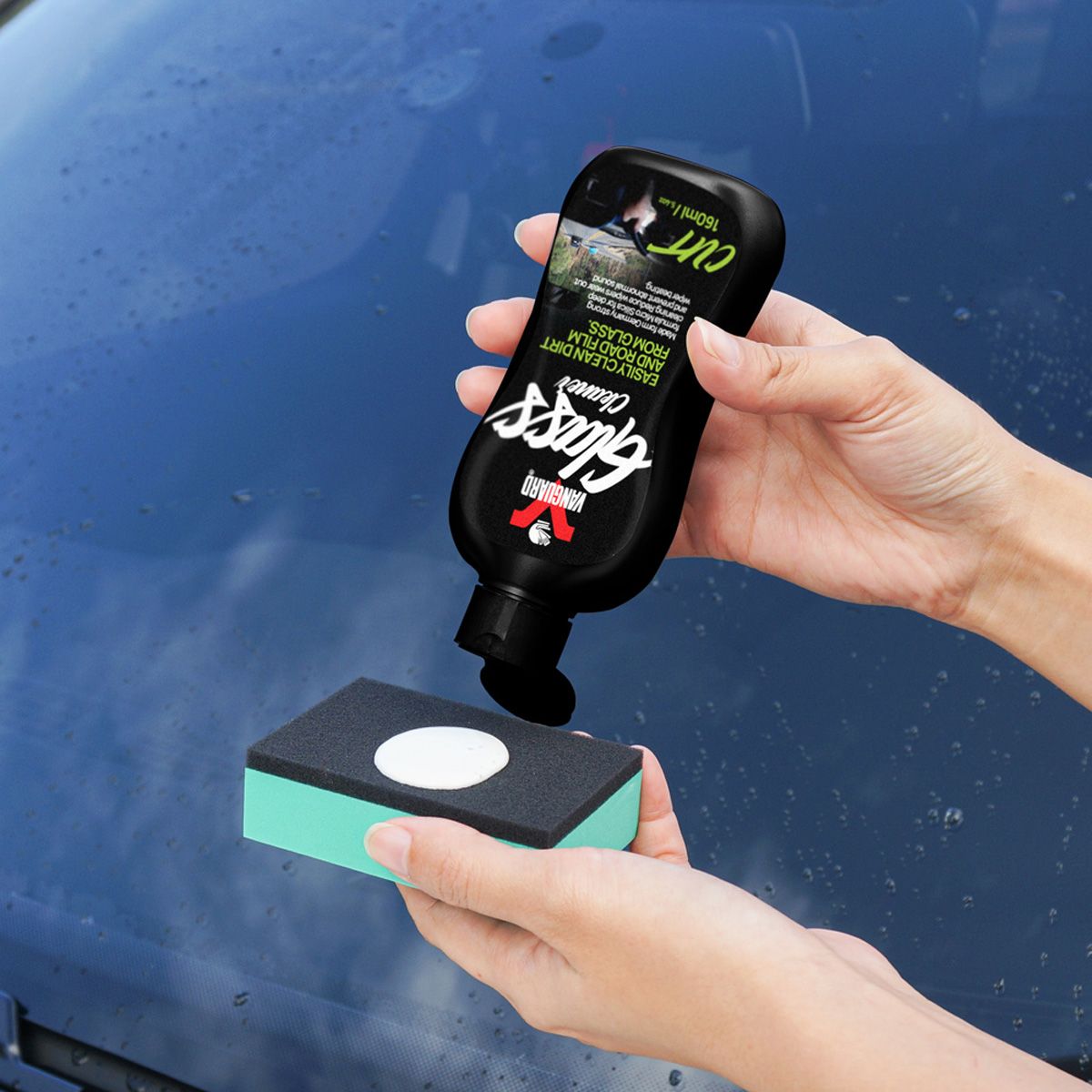
Household glass cleaner is not recommended. Cleaners of that kind contain volatile solvents, and those solvents accelerate the ageing of the rubber element.
Dish soap is not a good substitute either. It leaves the glass with a grabby, high-friction feel, and that is exactly the condition that makes wipers judder.
What does wiper judder actually mean?
The rubber element on a wiper is exposed to the weather all year, and weather is what wears it out: it ages, cracks and hardens. A hardened element no longer glides across the glass, and that is what you feel as juddering.
Step one: confirm the rubber isn't simply worn out
Before you replace anything, try lubricating the element with graphite. Graphite works as a medium between rubber and glass, and once the element has been lubricated the judder may disappear.
The easiest source of graphite to find is an ordinary 2B pencil.
Step two: if the rubber is worn and aged, replace it
If the check tells you the element really is worn and aged, the straightforward answer is a new one. Silicone wipers, which are common now, are also a good option.
How should you choose a wiper?
You get what you pay for. Do not pick something purely because it is cheap: the quality you buy is the performance you get.
What is the right way to clean a wiper element?
A lot of people cleaning a wiper wonder why the cloth keeps getting blacker the more they wipe. What is coming off is the wiper's coating, and that coating is there to help the wiper and the glass slide against each other.
So if the wiper is dirty, wipe it once with a damp cloth, moving in one direction only. There is no need to scrub it back and forth.
Can the wiper arm itself cause judder?
Yes. An ageing linkage or motor, or an arm that sits too tight or too loose, leaves the wiper without enough pressure, and that shows up as noise and juddering.
Angle matters too. The rubber element should meet the glass surface perpendicularly; when the angle is not perpendicular and the wiper is set pointing up or down, judder and chatter are easy to produce.
Some people try to adjust the angle or the pressure with a spanner or a screwdriver. Be careful here: if you take the pressure down too far, you may not be able to bring it back. And an arm that never judders around town can still fail at speed, where wind pressure stops the wiper from clearing the glass properly. At that point the arm itself may need replacing.
Is it a good idea to park with the wipers lifted?
It is a common parking habit, and it does extend the life of the rubber element. The trade-off is the spring inside the wiper arm: propping the arm up keeps that spring stretched for long periods, which accelerates its fatigue.