8 Things You Must Know Before Washing Your Car
Washing your car looks simple, but doing it without hurting the paint is a skill. Here are eight mistakes DIY washers make most often, and how to avoid every one of them.
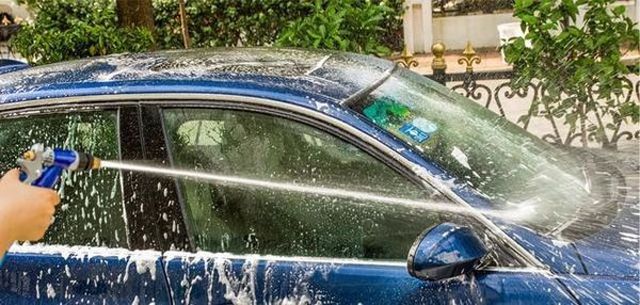
Washing the car is often how owners cool it down in summer, and it's the basic starting point of any car-beauty routine. But there are plenty of precautions worth knowing — washing a car without hurting the paint is a skill. Here are eight things you should never do when washing a car.
1. Don't wash the car before the paint has cooled down
Washing hot paint causes it to contract excessively; the once-smooth surface loses gloss and can even develop fine lines. Wait for the paint to cool, especially right after a long drive, before you start washing.
2. Don't wash the car in direct sun
Water droplets on the body dry too quickly, leaving water marks that are extremely difficult to clean and that hurt the result of your next wash. Whether you wash it yourself or take it to a detailer, avoid direct sun.
3. Don't use hot water or groundwater
Substances in these waters can damage the paint. Long-term use of groundwater containing heavy metals tends to leave water marks and scale after drying, and can even cause iron-powder adhesion and yellowing of the paint.
4. Don't blast the body at close range with a high-pressure gun
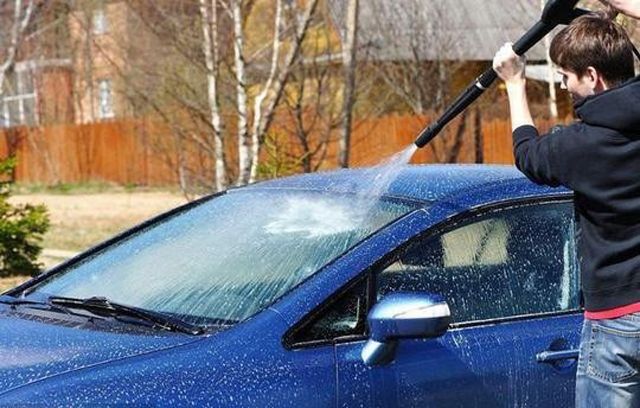
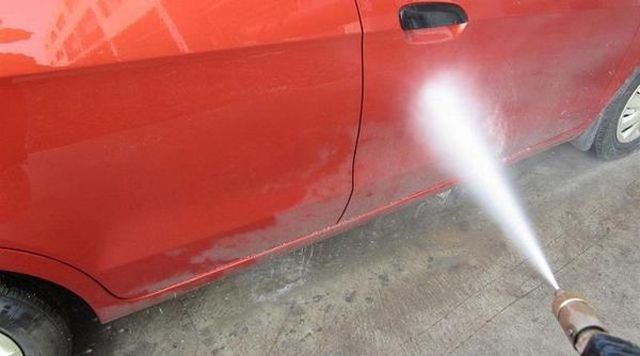
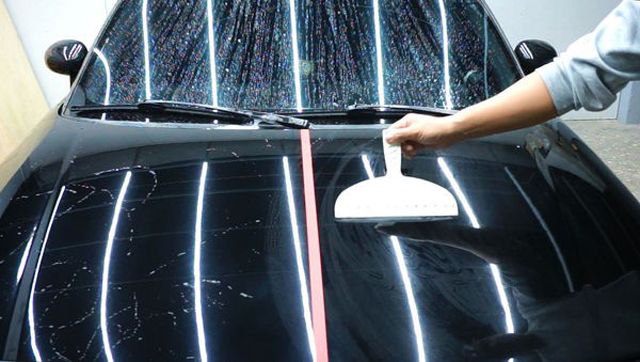
Excessive pressure can damage the paint. Rinse off dirt and dust first, and keep the body slightly moist to reduce the impact of the high-pressure jet. Work from top to bottom: roof → windshield → hood → sides → rear windshield → rear. Avoid lingering too long on one spot — it raises the risk of stripping a layer of the paint's protective "skin."
5. Don't use general household detergents
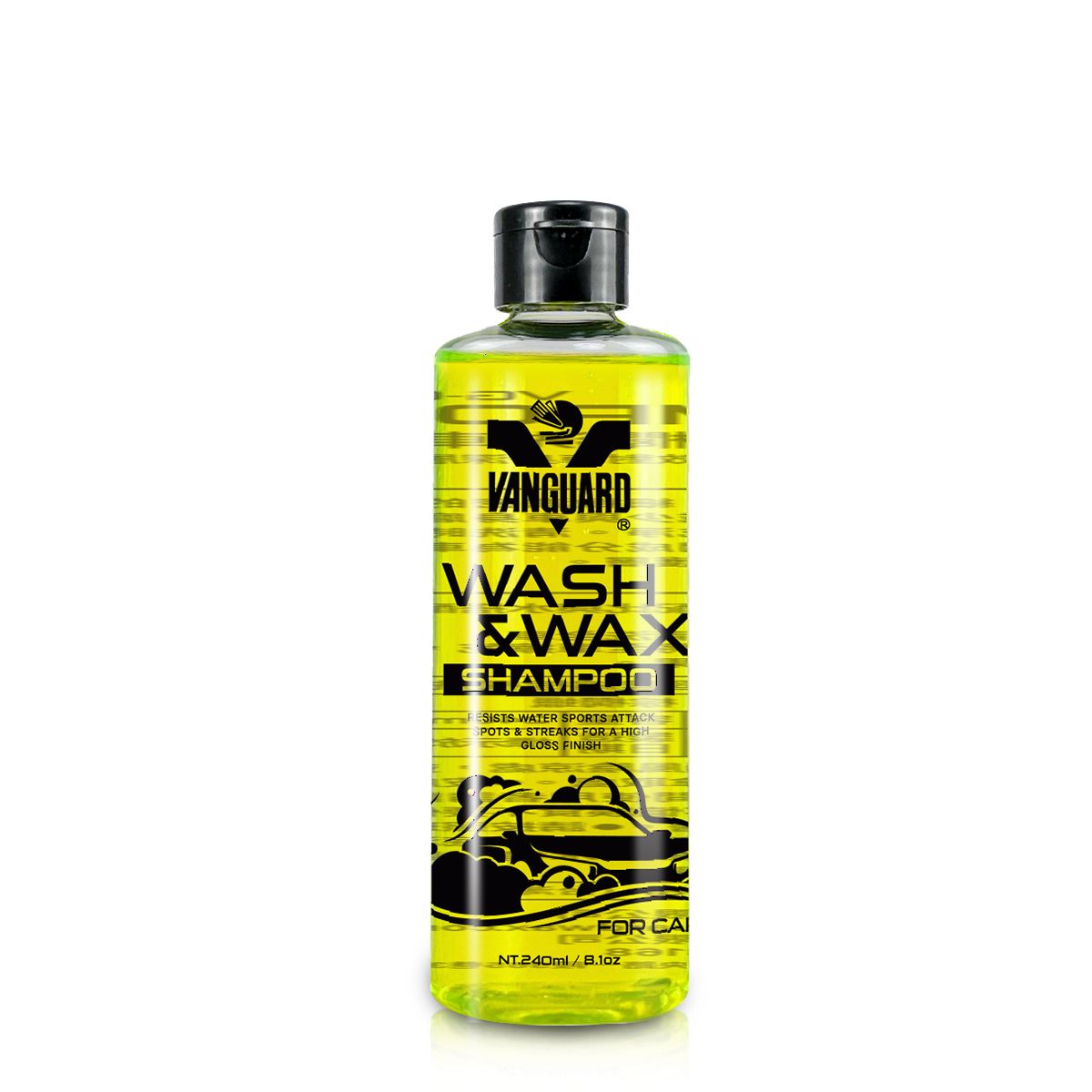
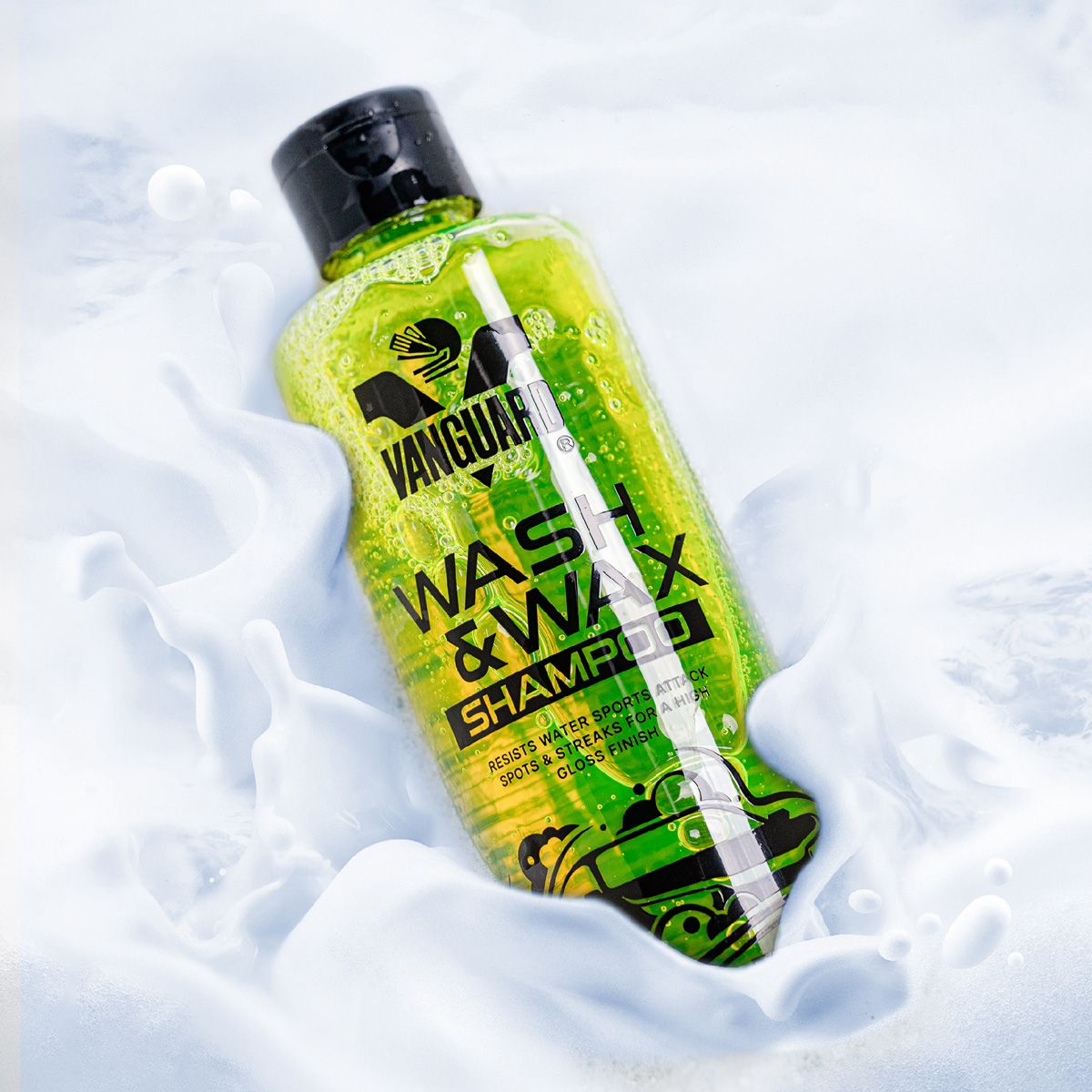
Washing powder, dishwashing liquid and soap are rarely pH-neutral. Even though they clean aggressively, they also strip the paint's protective film, causing loss of gloss and fine lines. Choose a car-wash soap suited to your paint color and needs.
6. Don't dry the body with a random towel
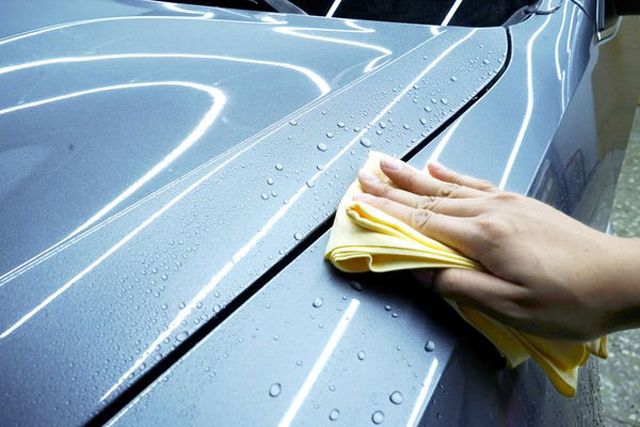
After a thorough wash, many people grab whatever cloth is handy. Low-absorbency, low-quality towels shed fibers and lose color when wiped, and those loose fibers cause a second round of damage. Plas-chamois towels, PU microfiber cloths and standard microfiber cloths all absorb well and leave no lint or water marks.
7. Don't use the wrong stain remover
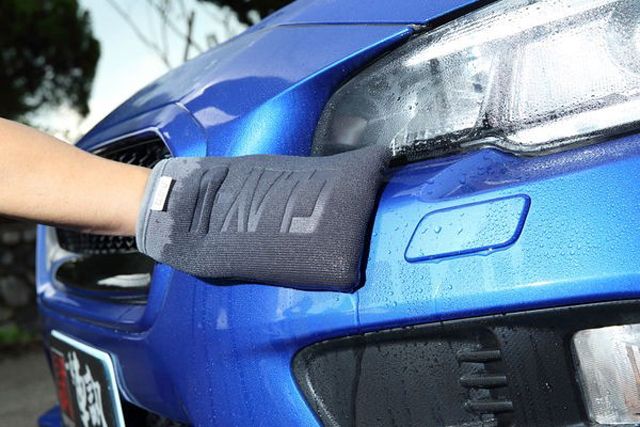
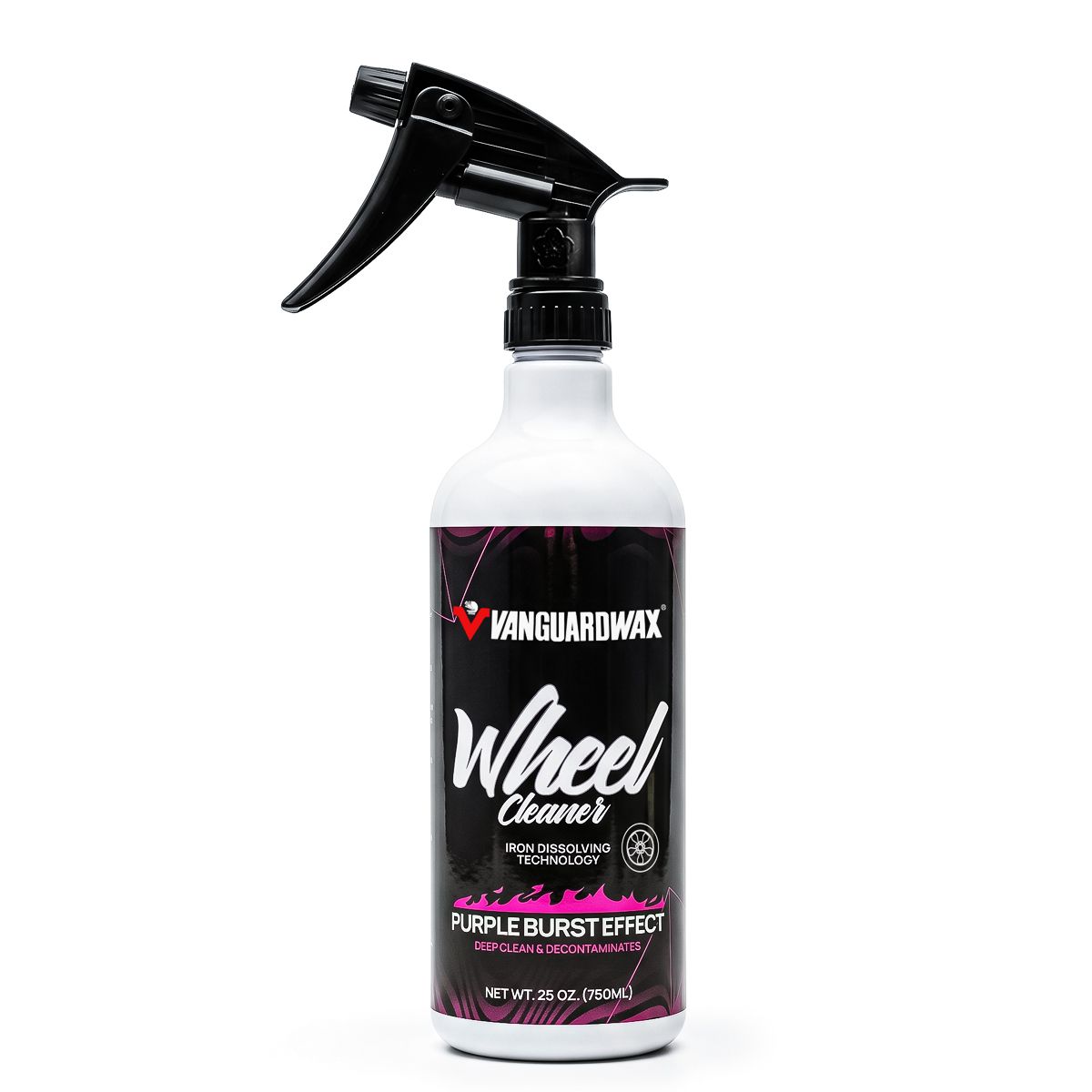
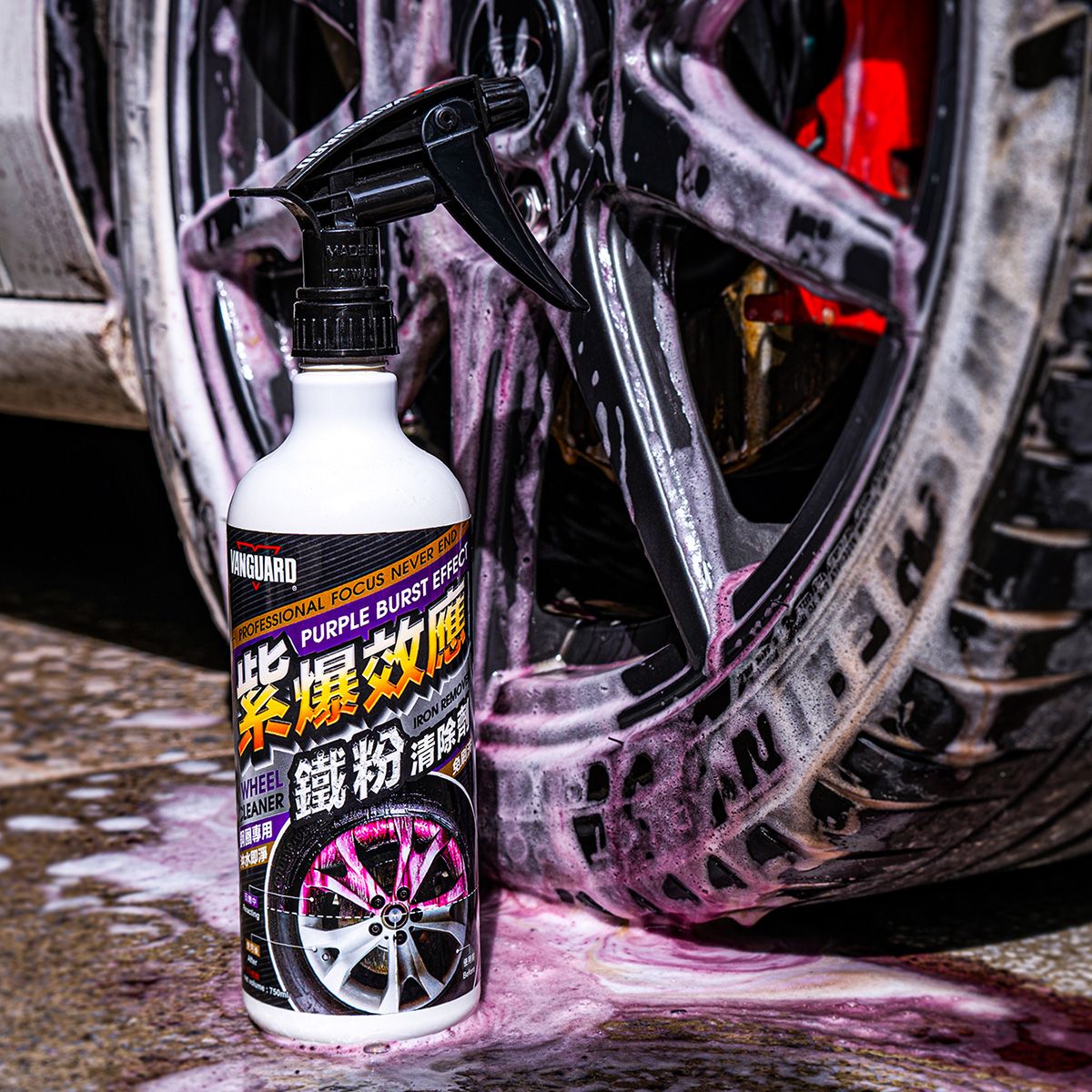
Corrosive residues — scale, bird droppings, acid rain, insect remains, fruit juice — are hard to remove without the right method. Removing the residue while ignoring what the remover itself is made of risks damaging the paint even as the stain disappears. Choose a remover suited to the specific stain, or use a clay tool — it lifts contaminants and leaves the paint smooth afterward.
8. Don't use hard tools to scrape off stains
Plastic scrapers, blades or sheet metal will damage the paint and add fine scratches when used to scrape off residue.
Car paint is like skin — good care keeps it looking good, and poor care shows. In the worst case, exposed metal underneath the paint can oxidize, which can even affect driving safety. Your car shelters your family through wind, rain, mountains and coastlines — taking good care of its appearance is worth the effort.