Don't Step on These Car Wash Landmines
DIY washing saves money and can be genuinely satisfying — until one of these five common mistakes leaves your paint covered in fine swirl scratches. Here is how to avoid all five.
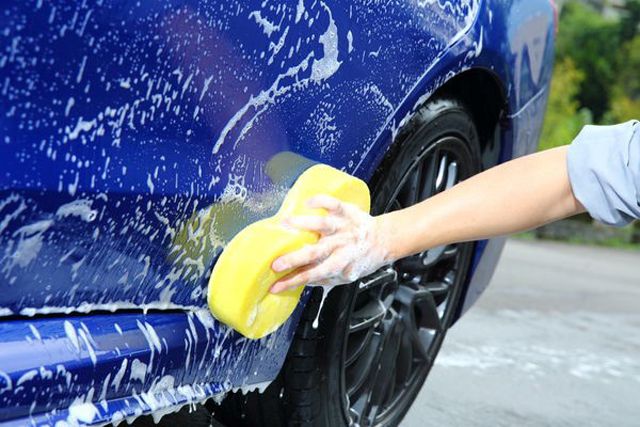
DIY-washing your own car saves money and can build a certain bond with it. But step on any of these five landmines and you'll trade that bond for a set of fine scratches. Here is how to sidestep every one of them.
1. Using a coarse, high-porosity sponge on the wrong surface
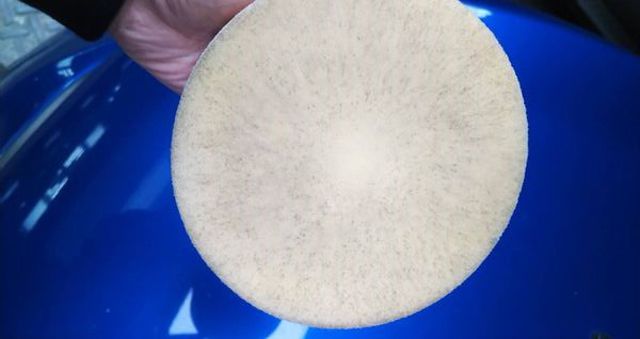
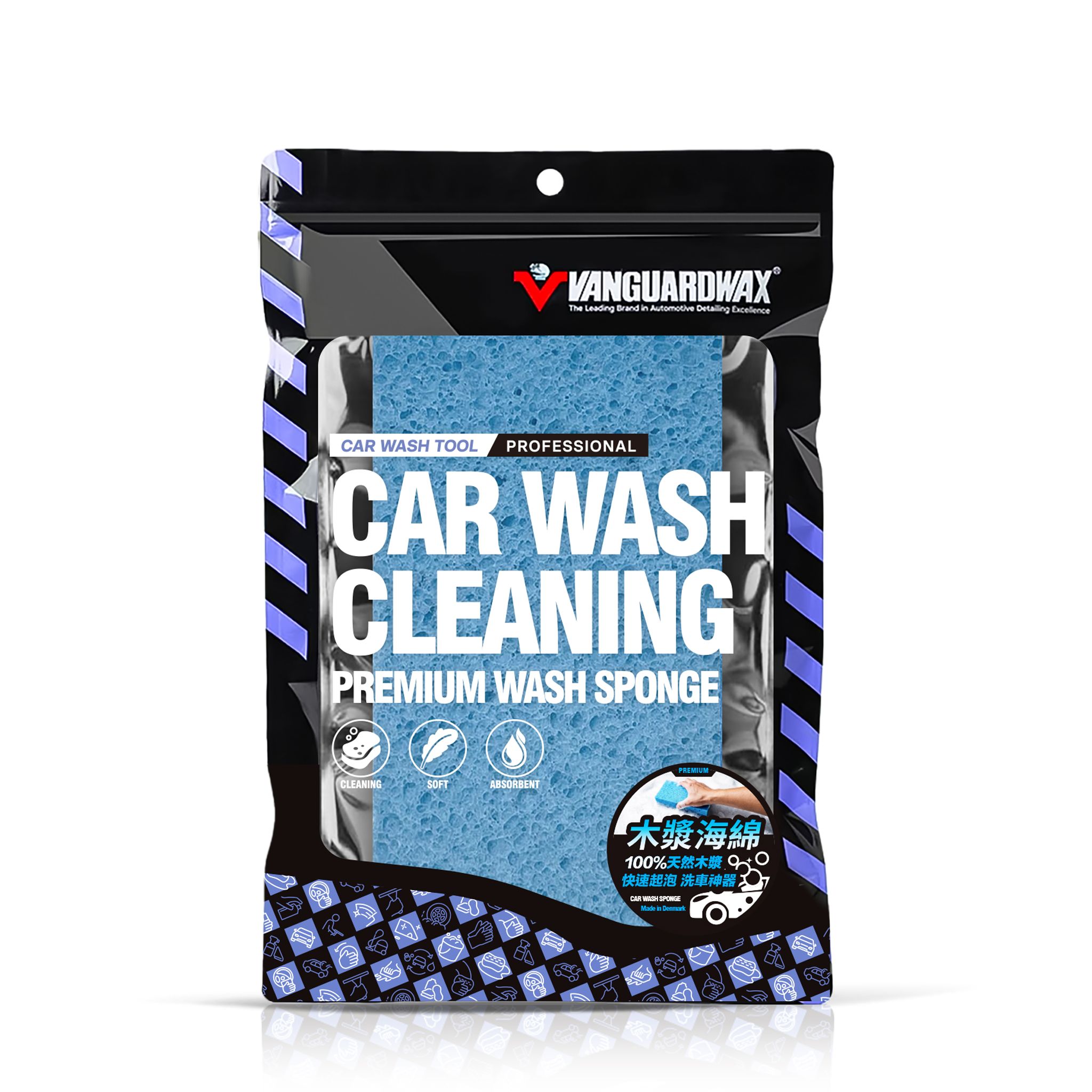
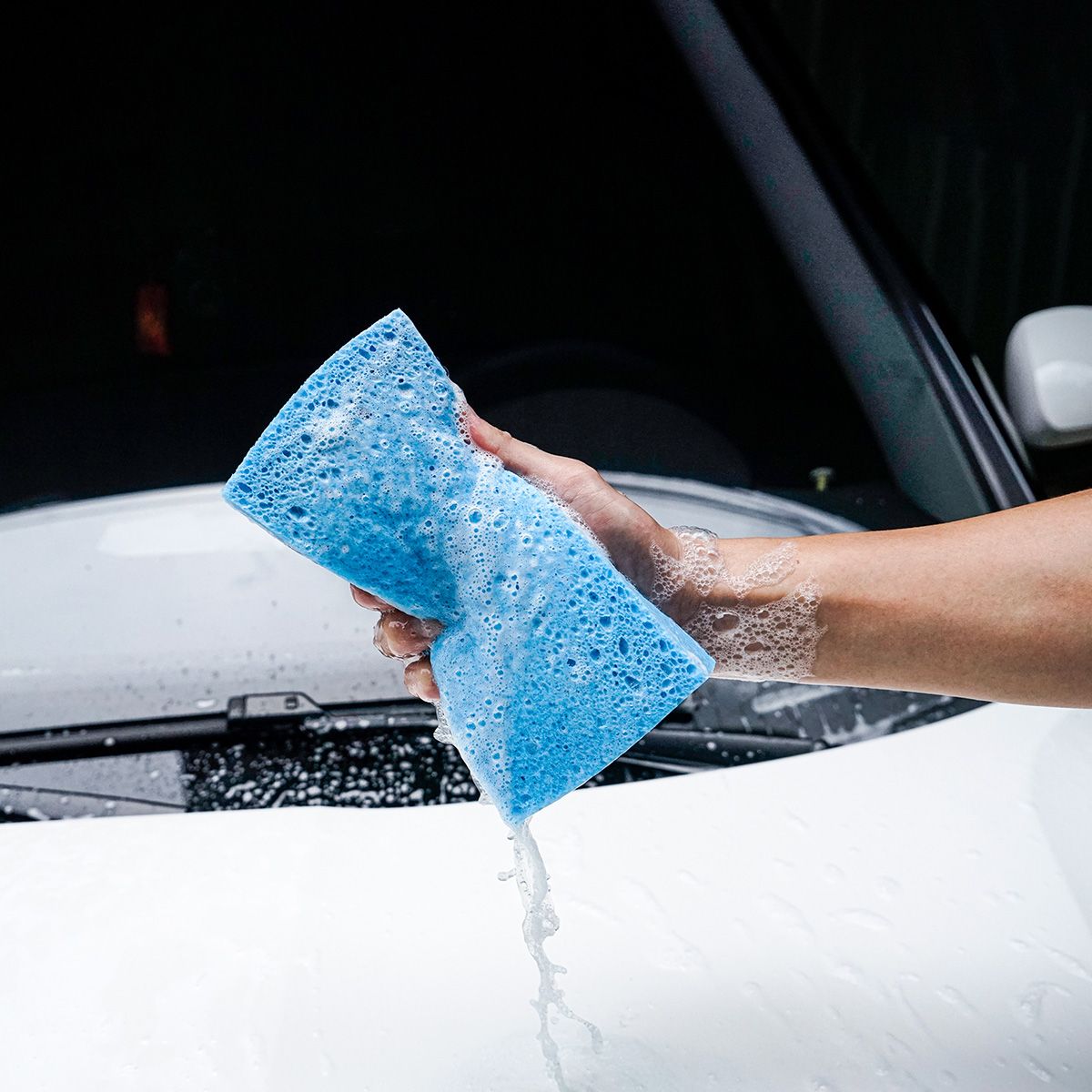
A rough, coarse sponge is only suitable for wheels, exhaust tips and plastic trim. When a light-colored car gets heavily soiled, a fine-texture sponge is genuinely harder work — but reaching for a coarse one traps grit and dust inside it. It'll lift the dirt more easily, but it leaves fine scratches behind.
2. Washing under direct sun
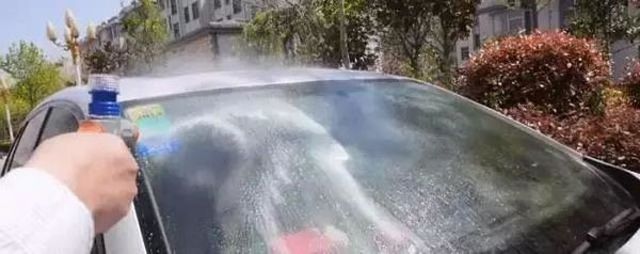
The best setup is a covered or indoor space, washing the body in two passes. Taiwan summers regularly hit 37–38°C, and the surface of a sun-exposed car can climb past 50–60°C. At that temperature, foam dries before you've had a chance to wipe it off, and the dried foam re-adheres all the dirt it had lifted. Continuing to wipe at that point is effectively grinding dirt into the paint — scratches follow.
3. Not cleaning wash tools between uses
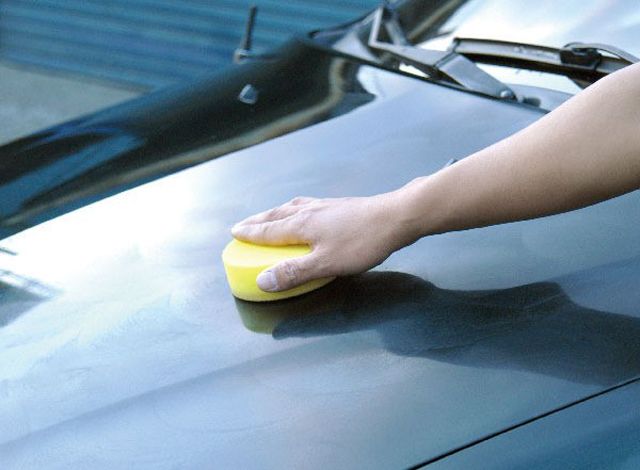
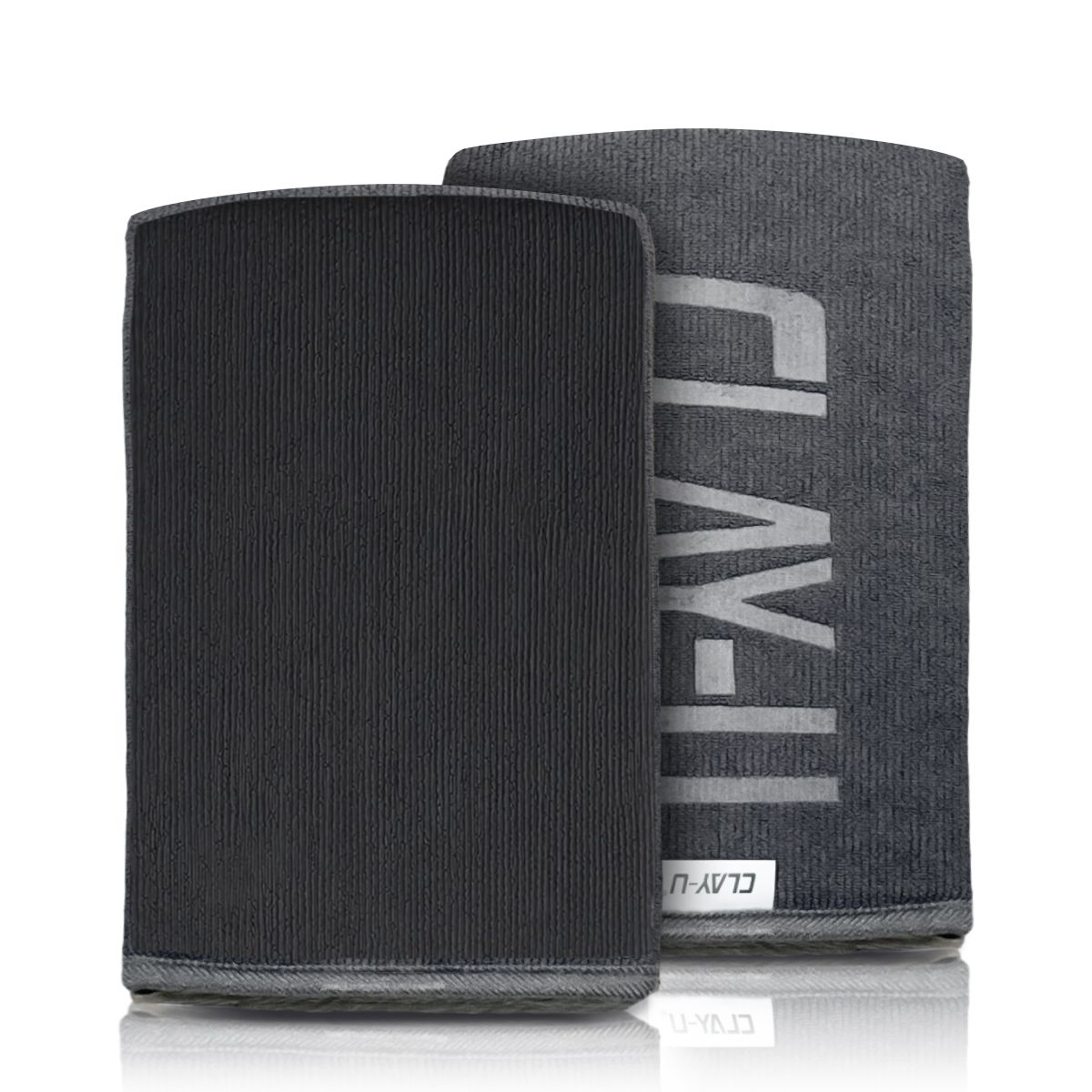
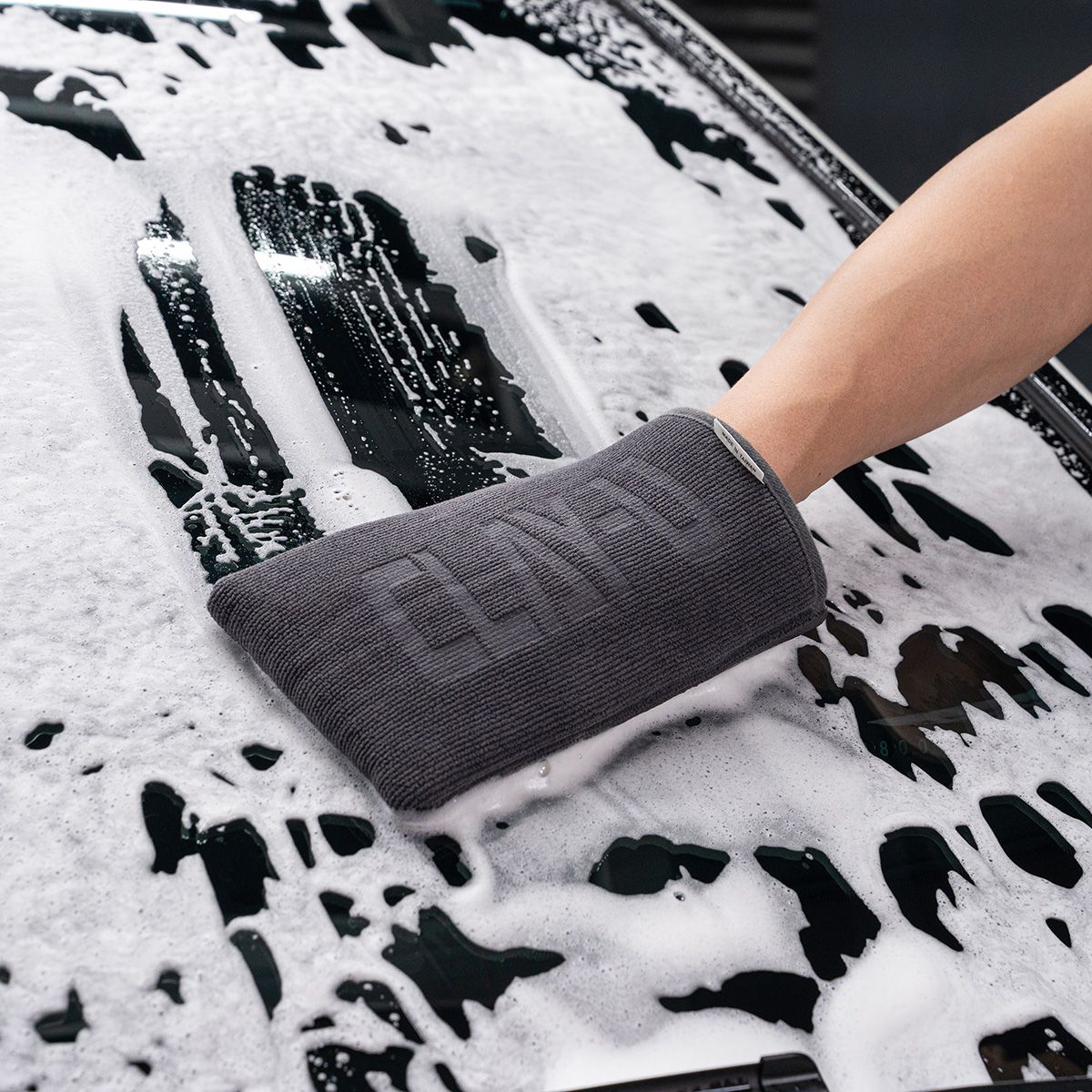
If a wax sponge or any wash tool isn't cleaned right after use, dirt and grit build up inside it. The next time you use it, that trapped grit scratches the car far more easily. Unless you're willing to swap tools constantly, clean them immediately after every wash — it removes the trapped dirt and reduces scratching next time.
4. Washing with water only
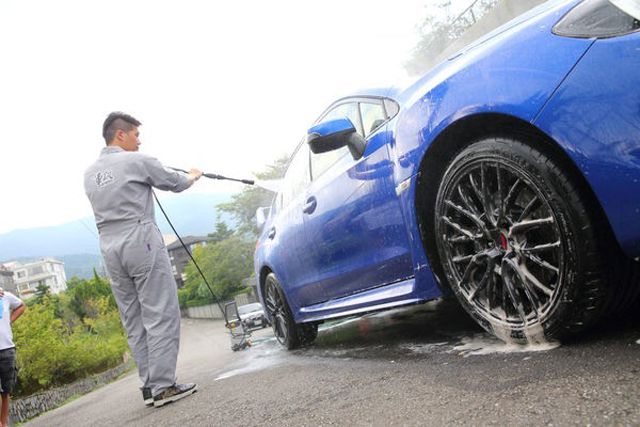
Rinsing with plain water, with no proper wash step, never removes the excess residue sitting on the paint. That leaves the finish less glossy, less smooth after waxing, less durable, and more prone to scratching once you do wax it. The fix is a proper deep clean on a regular schedule — a full wash, followed by clay or a tar remover where needed, then wax for protection.
5. Overusing cleaning wax
Many owners use a cleaning wax — one with abrasive ingredients — to DIY their car. It's effective at lifting grime on light-colored paint, but frequent use gradually adds fine scratches. Dust, dirt and residue in rainwater constantly land on the paint; the right cleaning wax used at the right frequency keeps the car clean without accelerating wear.
DIY washing has a certain charm that makes people willingly give up a weekend for it. Avoid these five landmines and you'll get to watch your own effort pay off in the shine.