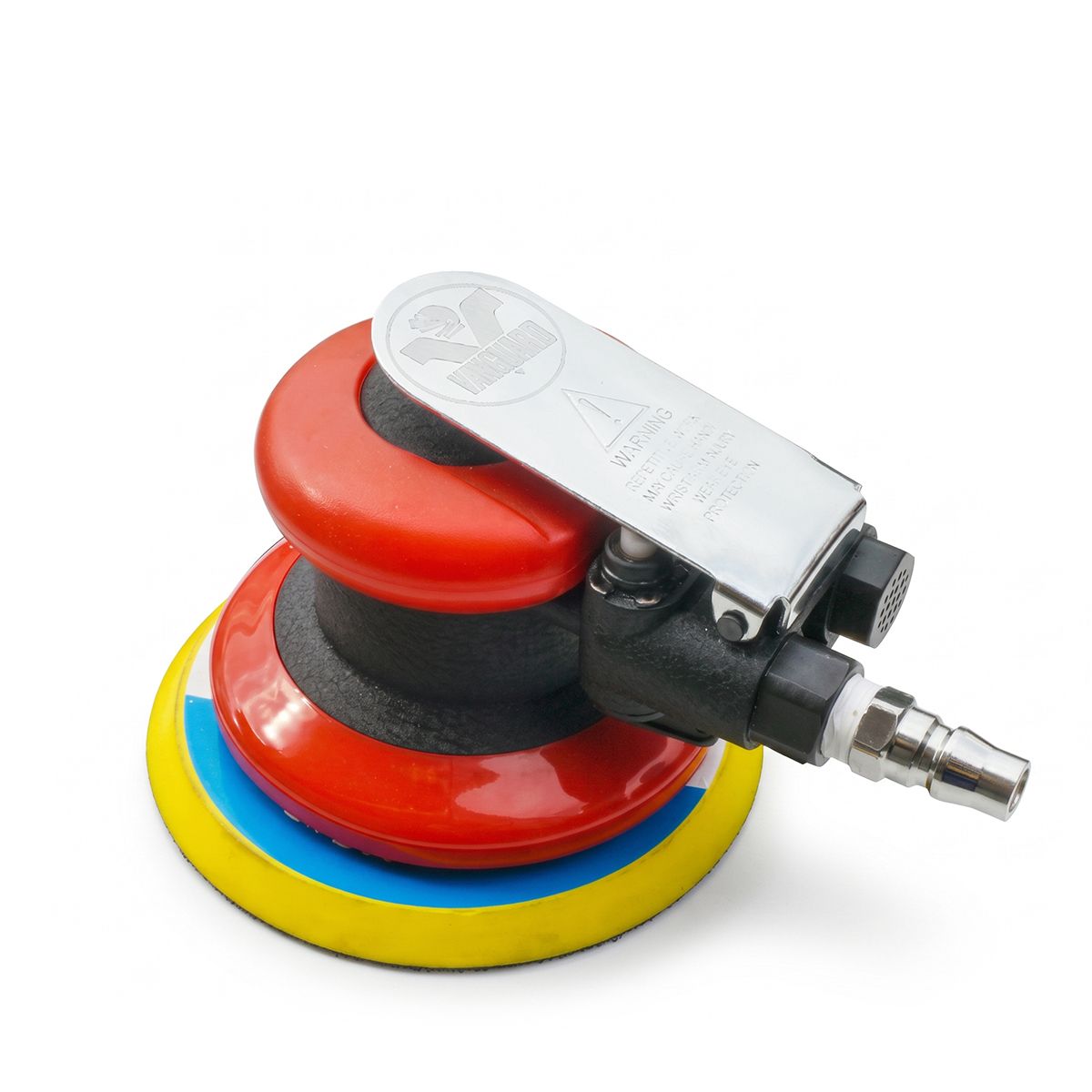
How to Choose a Car Wax: Paste, Soft, Liquid or Spray?
Paste, soft, liquid and spray wax compared: which is easiest to apply, which lasts longest, which suits a machine, and why wax should stay off trim.
Car wax exists to protect paint. Every day a car is on the road it meets acid rain and airborne fallout that settle onto the paint surface, and a layer of wax is what stands between that contamination and the paint itself. Which wax you choose is less about finding the "best" one and more about fit: spray wax is the fastest to use, liquid wax is the most flexible — especially on a machine — and soft and paste waxes trade extra working time for a longer-lasting finish.
Why does a car need wax?
To protect the paint. Cars on the road meet acid rain and airborne dust, and that contamination settles and sticks to the paint. Wax is the layer that protects the paint and keeps the dirt off it.
What are the four common forms of car wax?
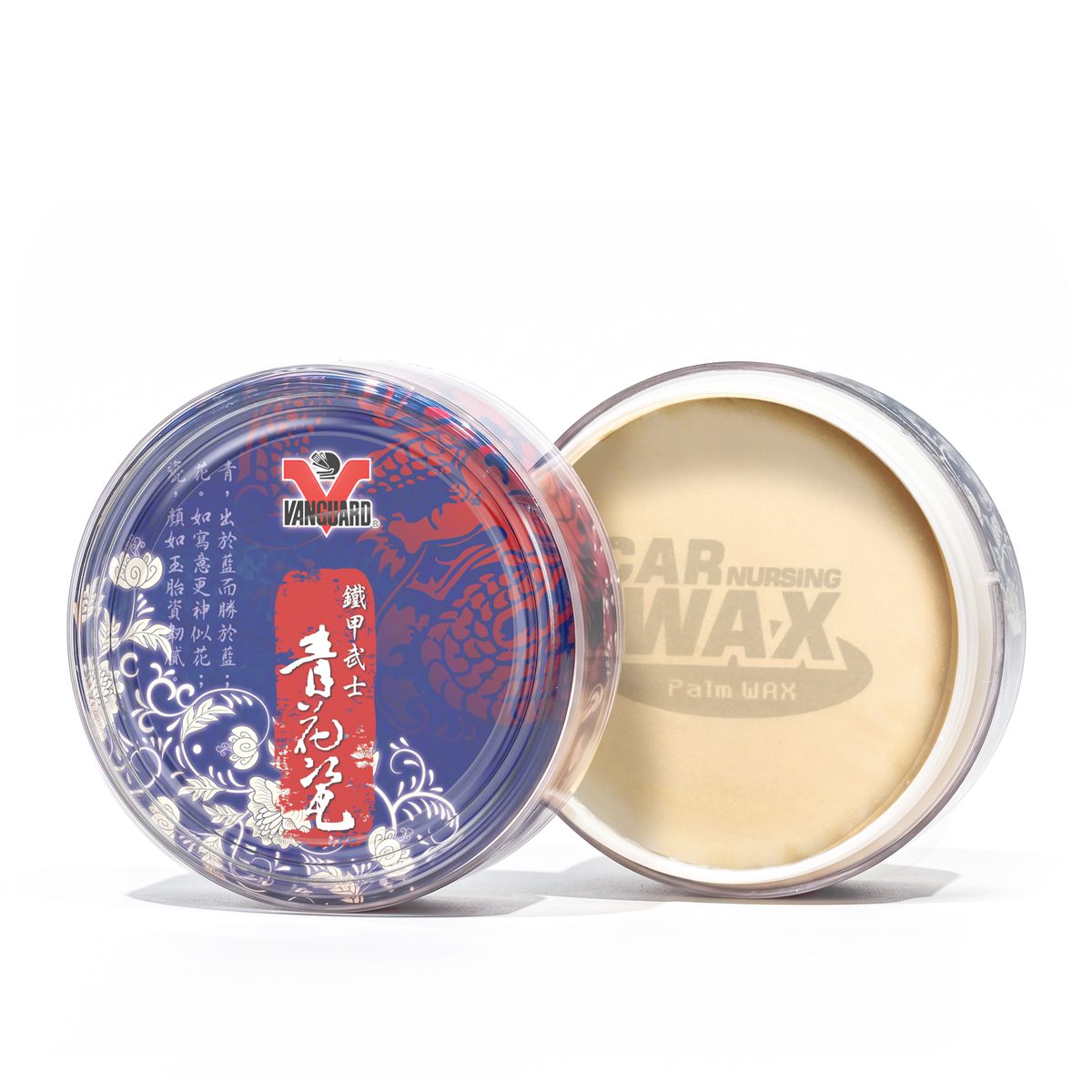
Paste wax is the one most people picture. It is solid, and it usually comes packed in an acrylic box or a metal tin.
Soft wax looks a little like the styling pomade men use. Its texture is softer than a paste wax.
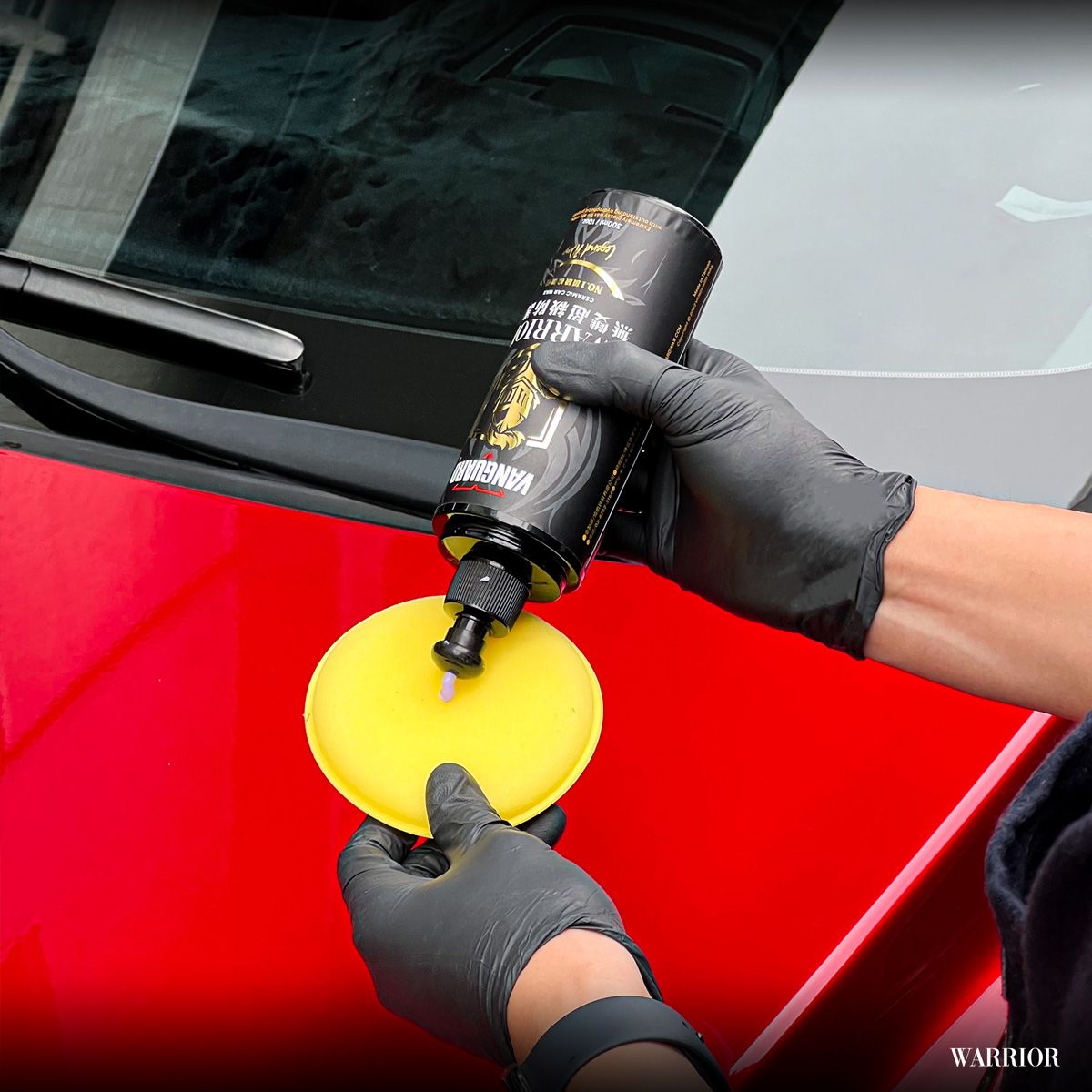
Liquid wax normally comes in a lotion-style bottle. It suits every kind of waxing machine, because it is not limited by the diameter of the pad or the tin.
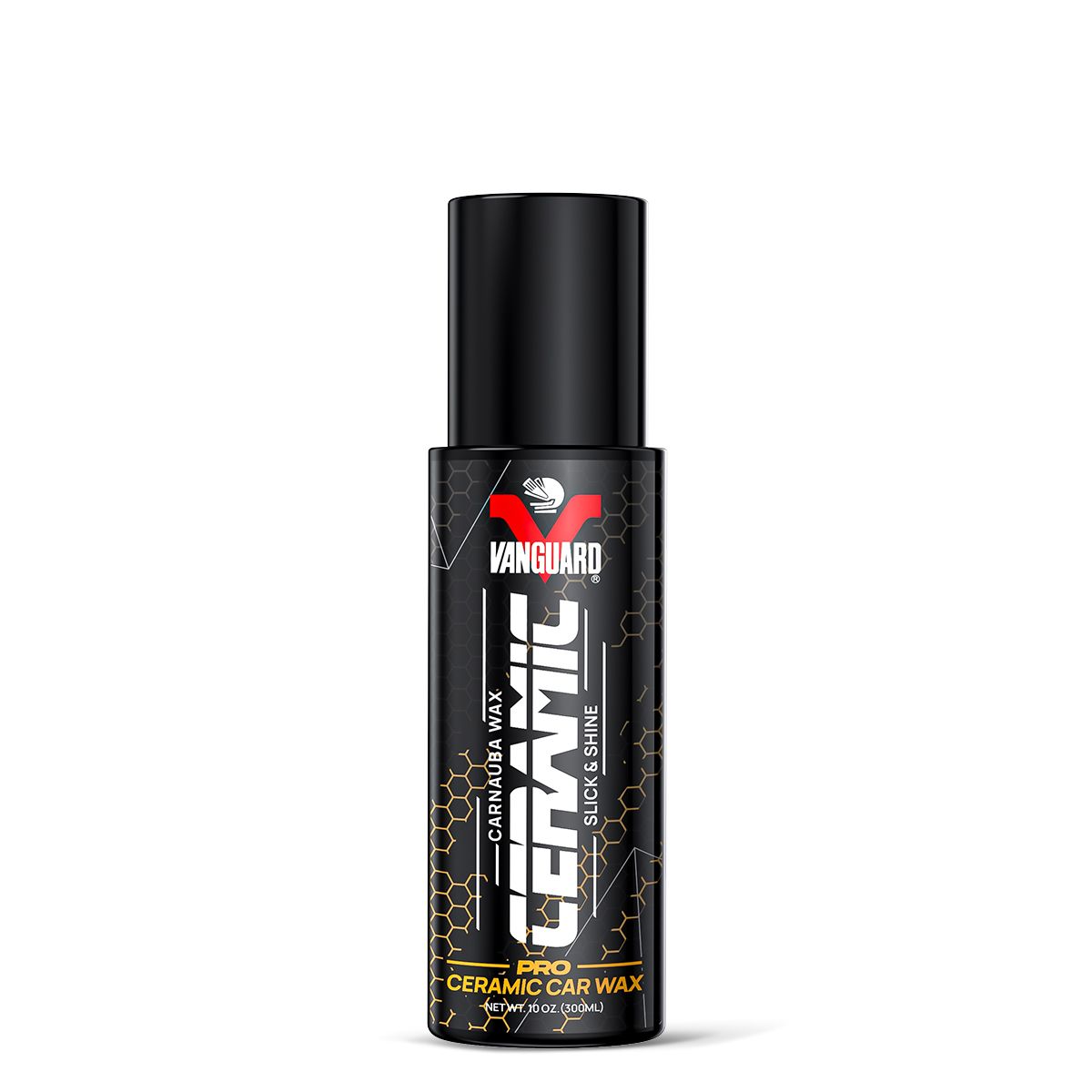
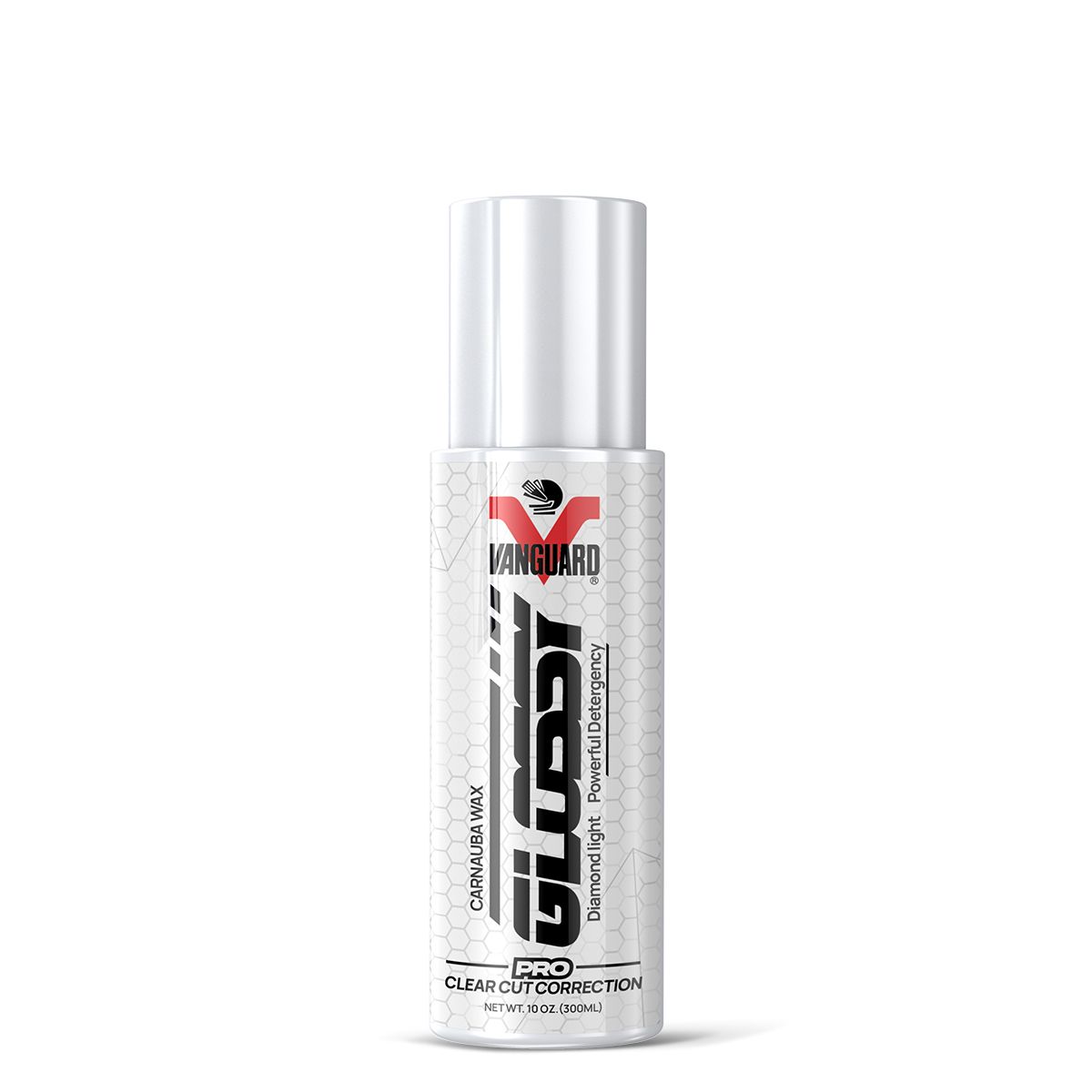
Spray wax is the simplest of the four. It is the quickest and most convenient to apply, and it is also the least durable.
Which type of wax is easiest to apply?
This is a fairly subjective question. Everyone washes and waxes differently, so no single type is objectively easier to work with than the rest.
If you have to rank them, spray wax is the easiest: spray it on, wipe it off, done. Liquid wax comes next, because it can be applied by machine or by hand, and a liquid wax with good spreadability is easy to move around a panel. Soft wax and paste wax feel about the same in use.
Which wax lasts the longest?
Usually paste wax. The more time you spend caring for the paint, the better the durability — the result is proportional to the time you put into the job. Soft and liquid waxes come next, and spray wax is the least durable of the four.
Which wax should you use with a machine?
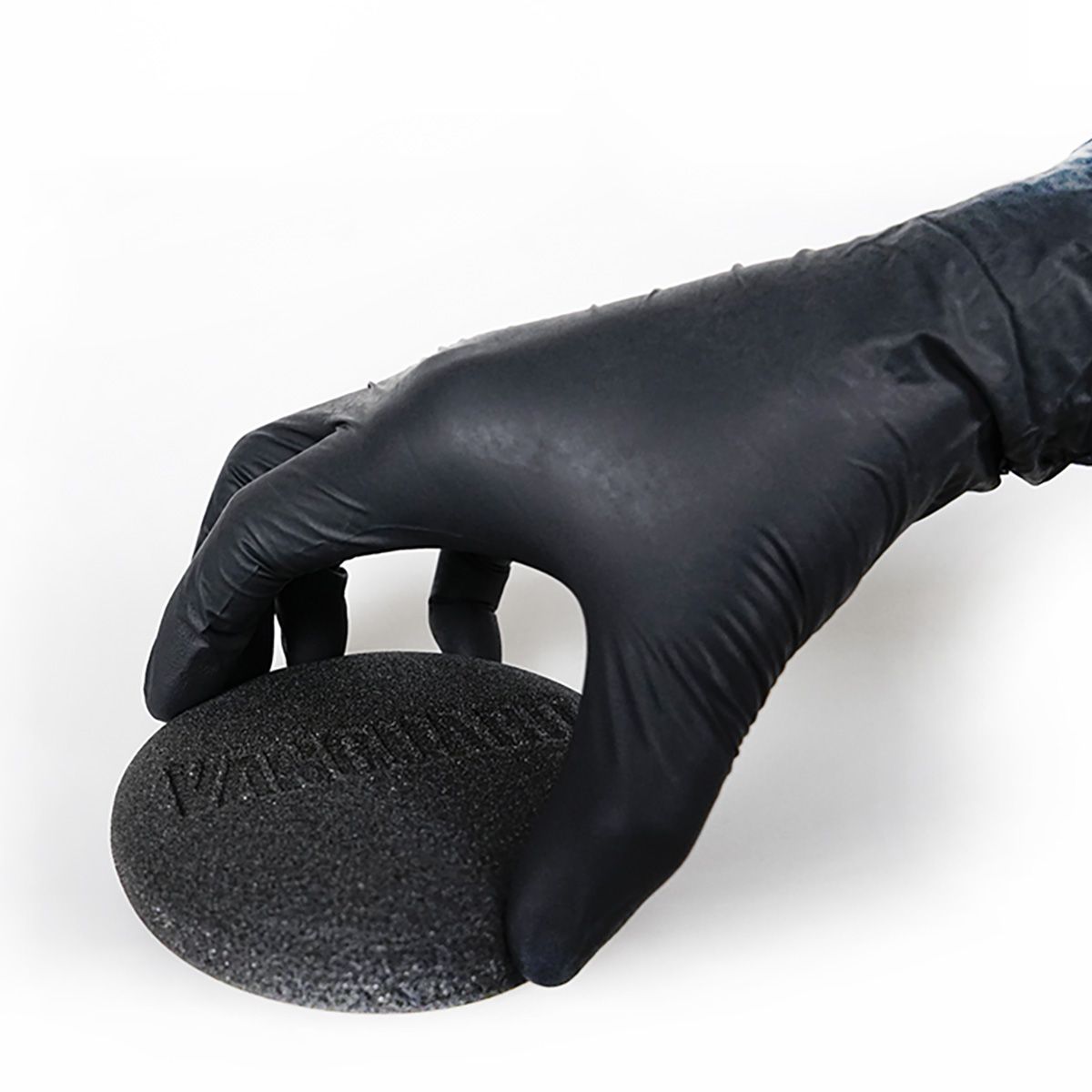
Most waxing machines on the market ship with a five- or six-inch pad, and for those, liquid wax is the easier choice: you squeeze it straight onto the foam pad, so the size of the container is irrelevant.
An ordinary paste wax is harder to pick up with a pad that size, because paste waxes are mostly made in four-inch tins. Buy a separate four-inch pad and it drops neatly into a four-inch wax tin, which makes the job much easier. If a five-inch pad is all you have, use liquid wax and squeeze it directly onto the pad.
Should wax ever touch plastic trim?
As a rule, no. Plenty of waxes on the market contain powder, and if that residue ends up on unpainted plastic and is not cleaned off properly, it can have the opposite effect and leave the trim looking white.
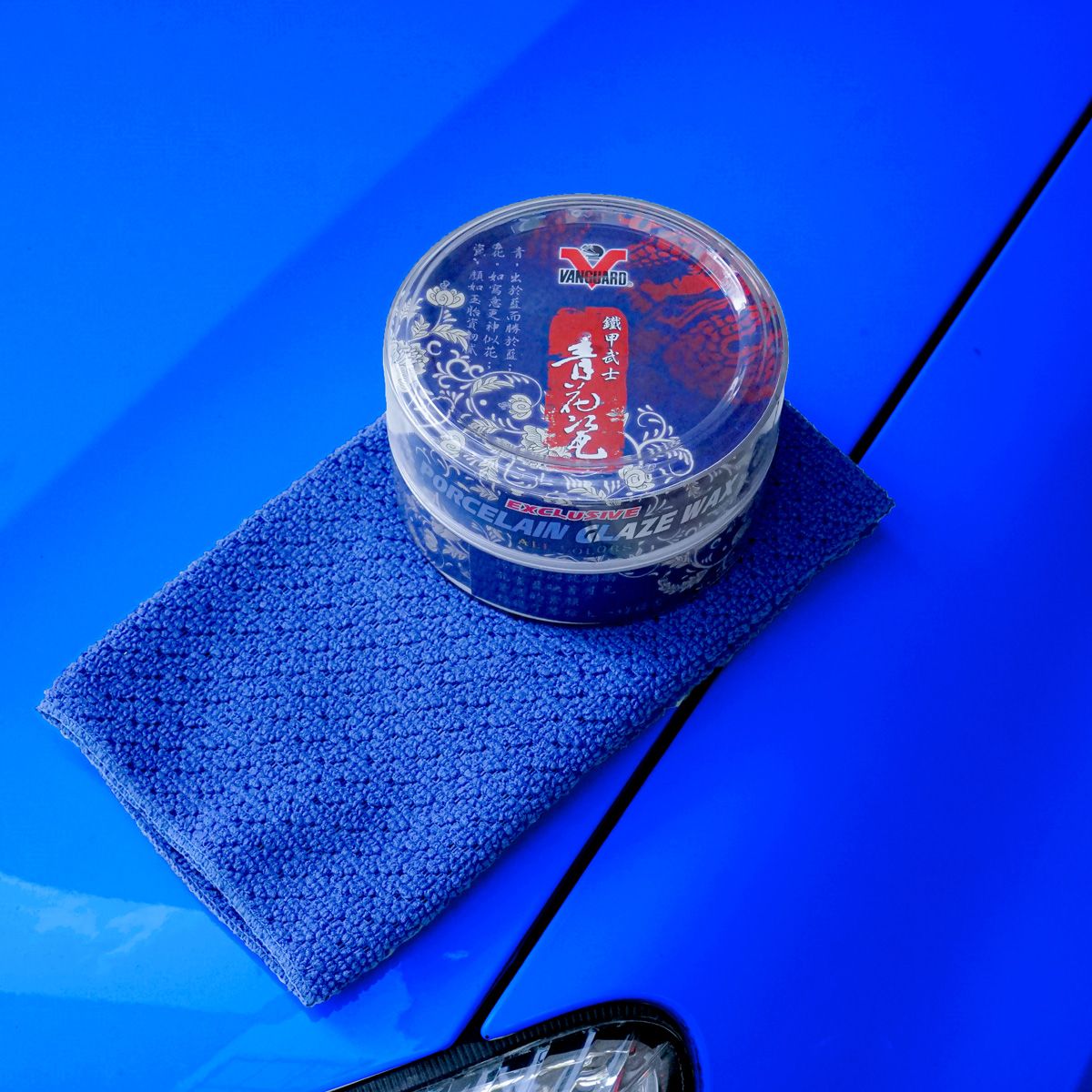
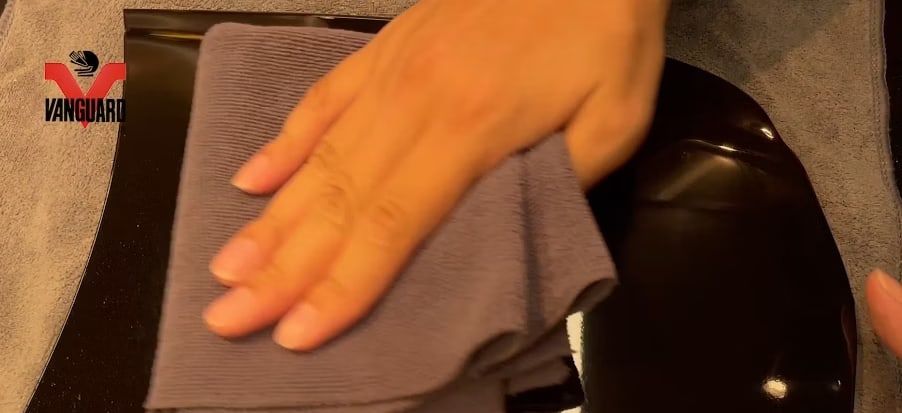
If wax does get onto trim, deal with it while it is fresh — a microfibre cloth will lift it straight off.
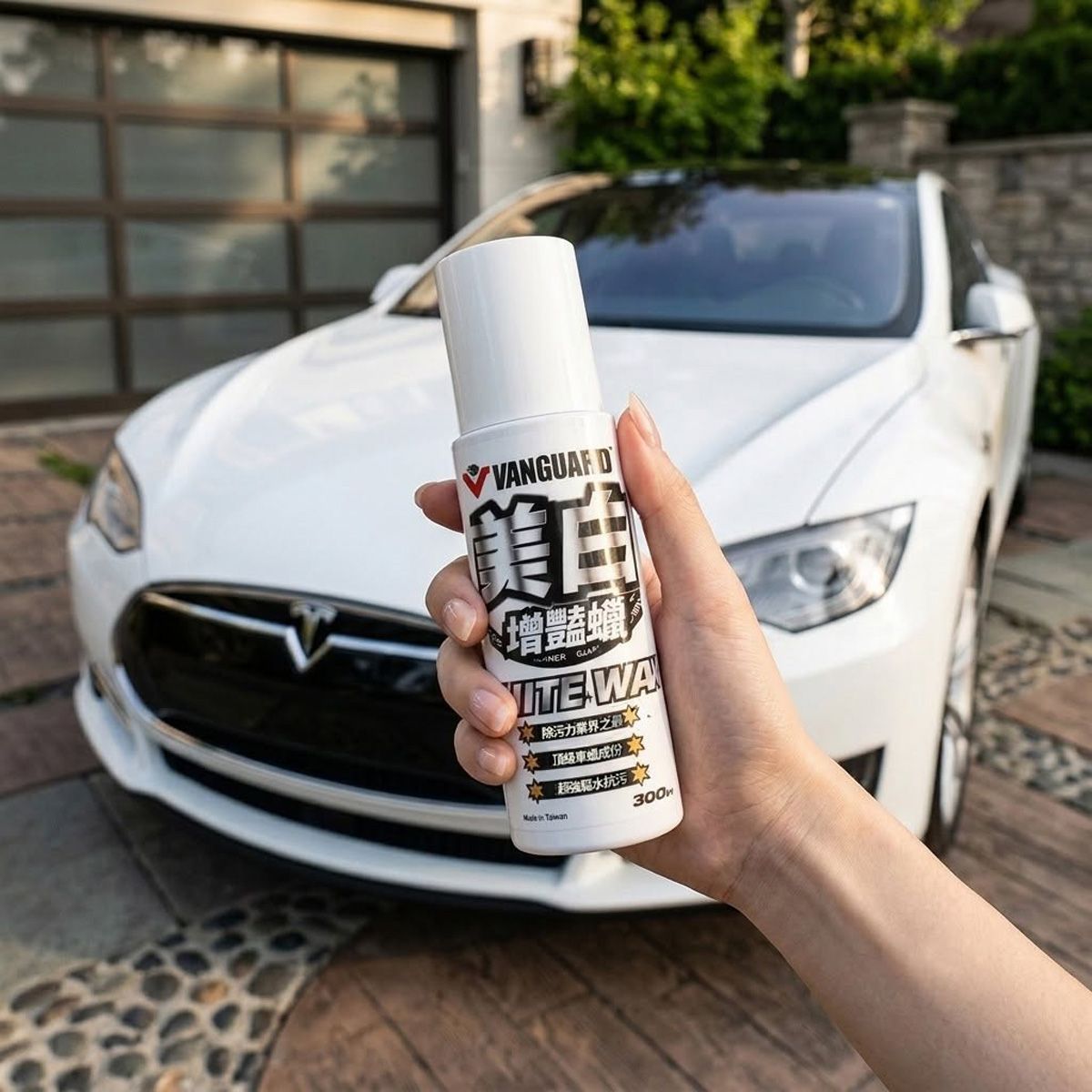
There is one exception: a detailing wax that contains no abrasive. VANGUARDWAX's Porcelain Glaze wax is a detailing wax with no abrasive in it, so contact with plastic trim is not a problem.
Is an upgraded formula worth the extra money?
Within a single range, an upgraded wax built on the formula of the classic version usually improves both water beading and durability, and the price rises accordingly. Whether that is worth paying for depends on how often you wax and how long you expect the finish to hold.
Choosing the wax that fits you
There is no universally correct answer here, only the wax that suits your needs and your situation, and every type has its own strengths. What matters most is applying it the way the instructions describe. A detailing wax rewards time and technique in proportion: work carefully and you get a result that is both more durable and better looking.