Good News for DIY Car Wash Players: Shine in a Fraction of the Time
A polymer sealant spray can protect and gloss a car in about a third of the time waxing takes. Here is what it is, how long it lasts, and three application methods to choose from.
Esta página aún no está traducida y se muestra en inglés.
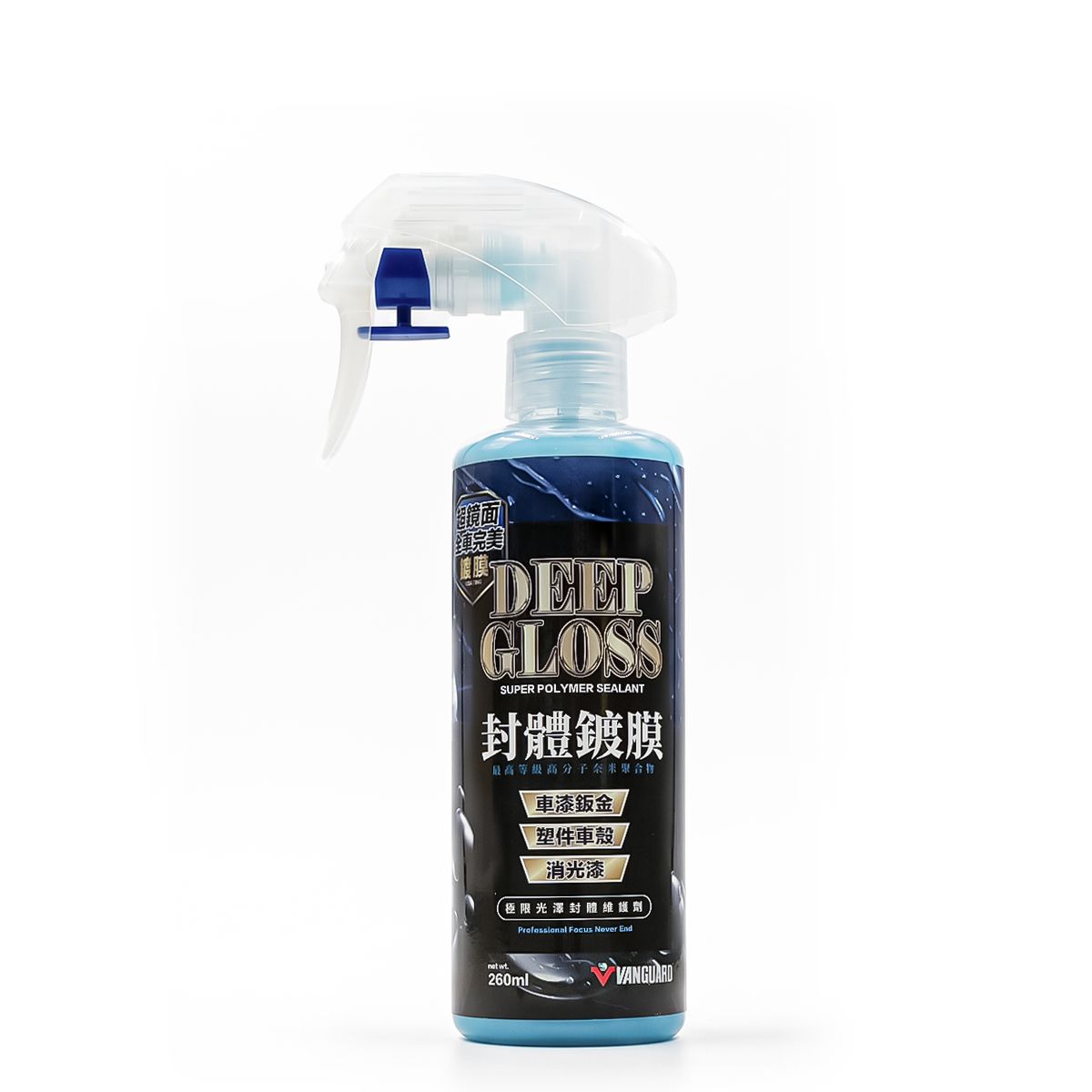
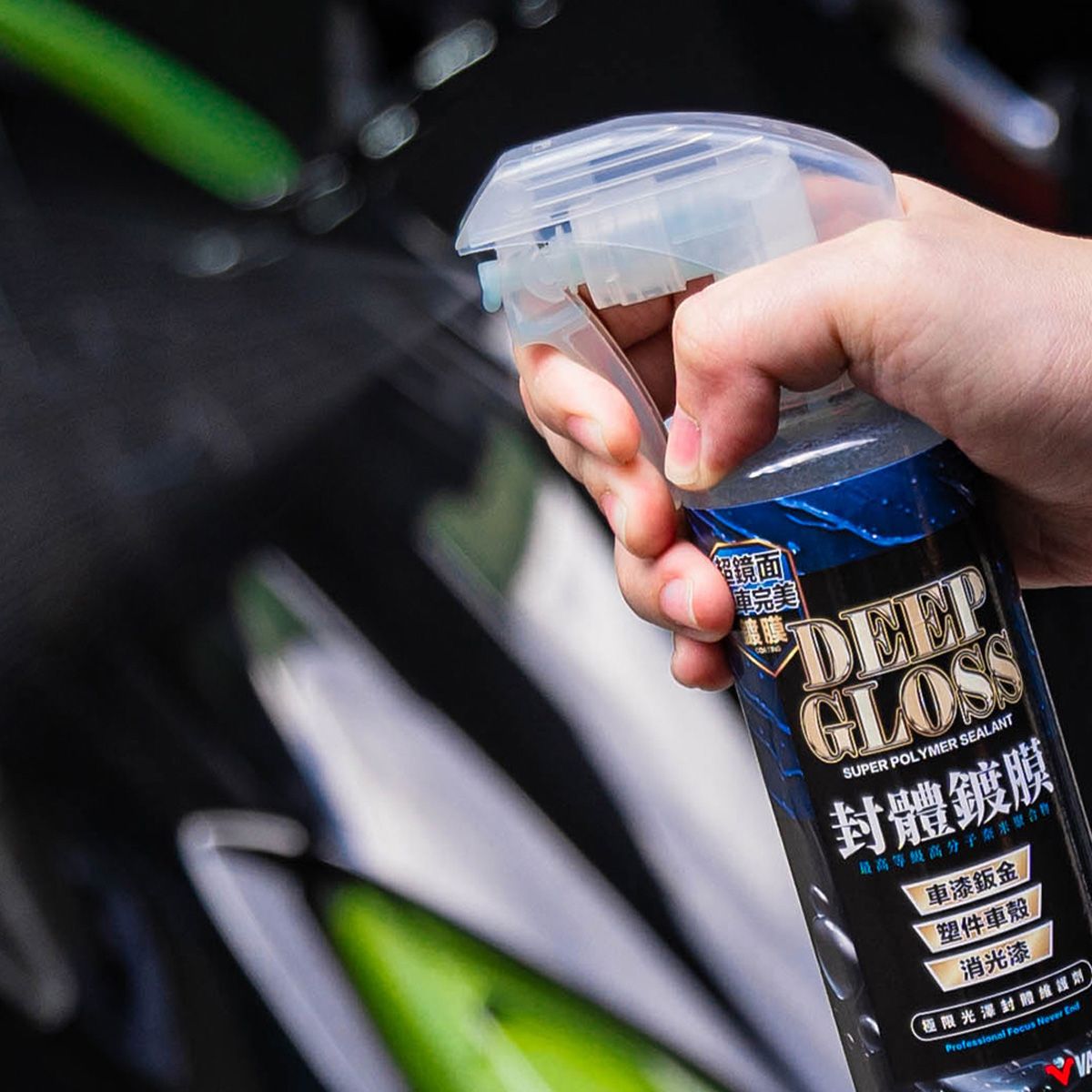
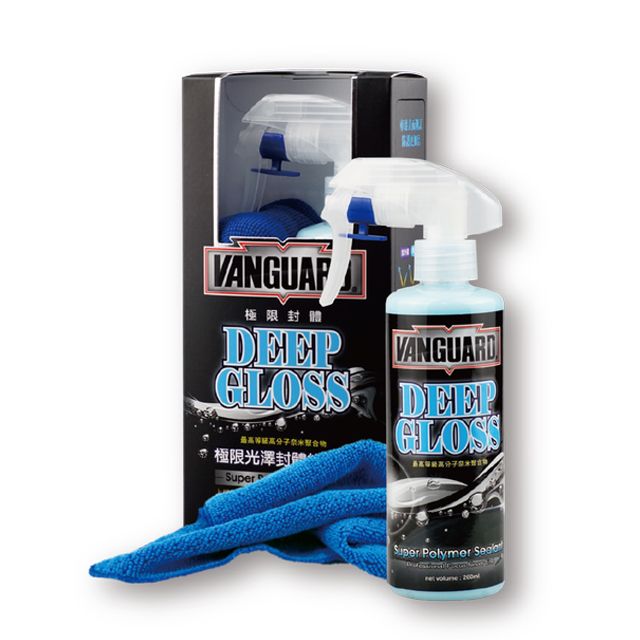
DIY car owners often wish for a car-care product that removes dirt and dust easily and keeps the paint glossy for 3 to 6 months without fading. In the past, only regular washing and waxing could get you there. Today, a "Deep Gloss" super-hydrophobic polymer sealant spray is the epoch-making product that removes dirt without leaving residue and keeps the finish shiny. Read on before you buy.
What is polymer sealant spray?
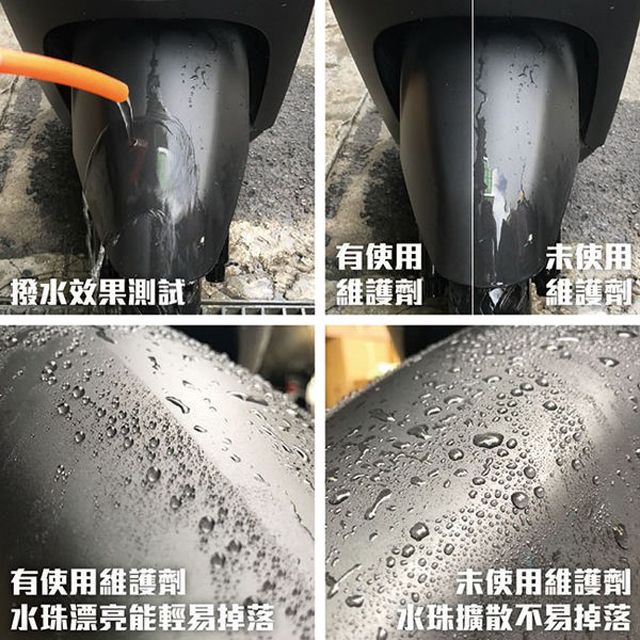
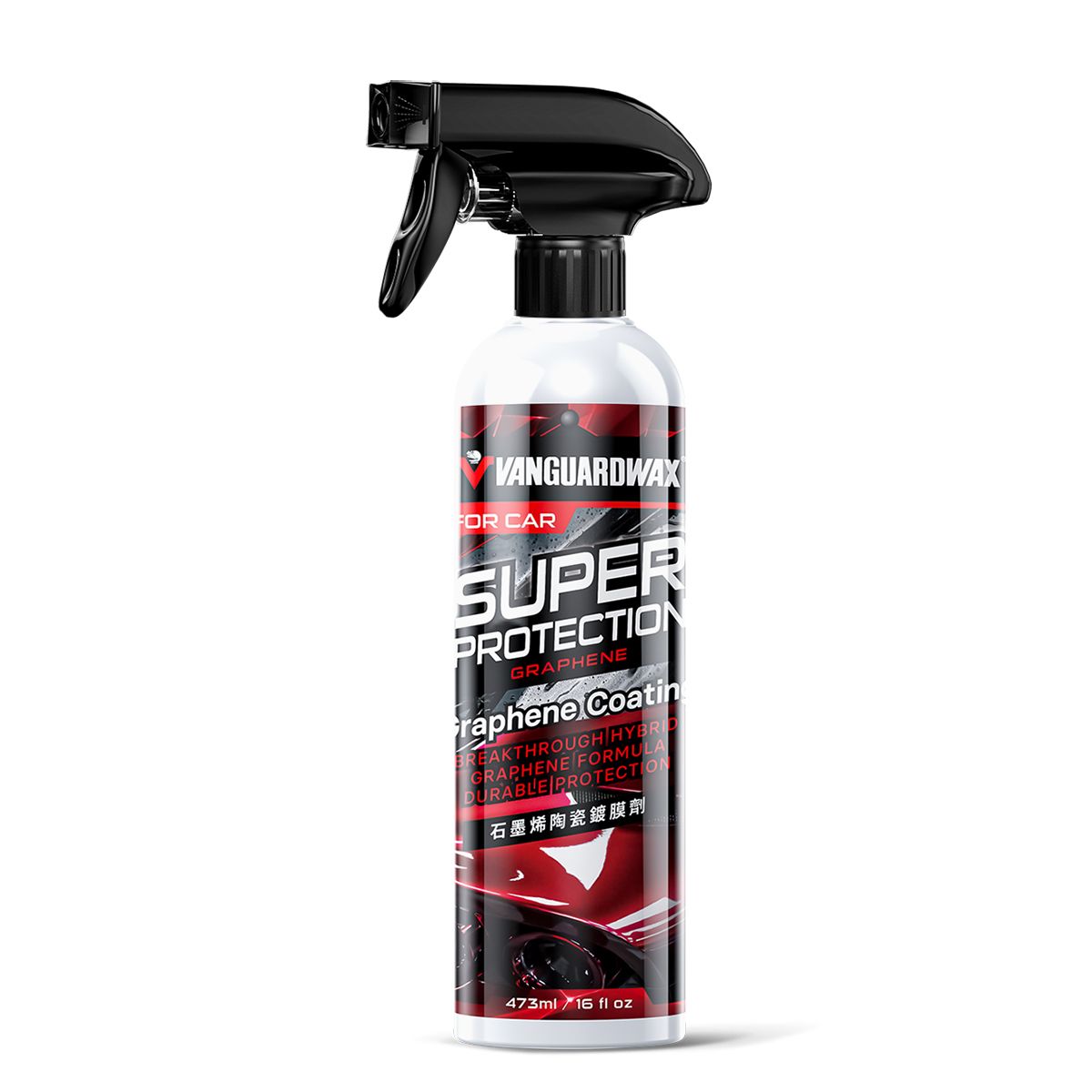
The main component of polymer sealant is a nano-scale interwoven polymer — acrylic material — with strong penetration. It forms a protective film between the paint surface and the air, protecting the paint from acidic pollutants, UV rays and oxides at the same time. You get satisfying protective longevity and a stable water-repellent effect using only about a third of the time waxing takes.
Why use polymer sealant spray?
The main job of a sealant is to isolate the paint from outside air and contaminants. Because it is durable, you need to wash the car thoroughly — or run a clay towel over it — before applying it, to make sure no impurities remain on the paint. Once applied, it protects strongly against acid rain, UV radiation and bird droppings.
How long does polymer sealant last?
Durability is typically around 6 months, and depending on the formulation, effective protection can last up to 12 months. Unlike car wax, which is sensitive to the pH of whatever wash soap touches it, polymer sealant mainly loses effectiveness through daily exposure to air pollutants.
How can you tell the water-repellent effect is fading?
Durability depends on wash frequency and driving environment combined. With normal use you don't need to worry about it suddenly failing. Rinse the car with a water column and check the beading: full, plump, sheeting droplets mean the effect is still there; slower, patchy beading with lingering water means it's fading.
Three application methods
All three assume the car has been fully washed and is still wet.
1. High-pressure water column method
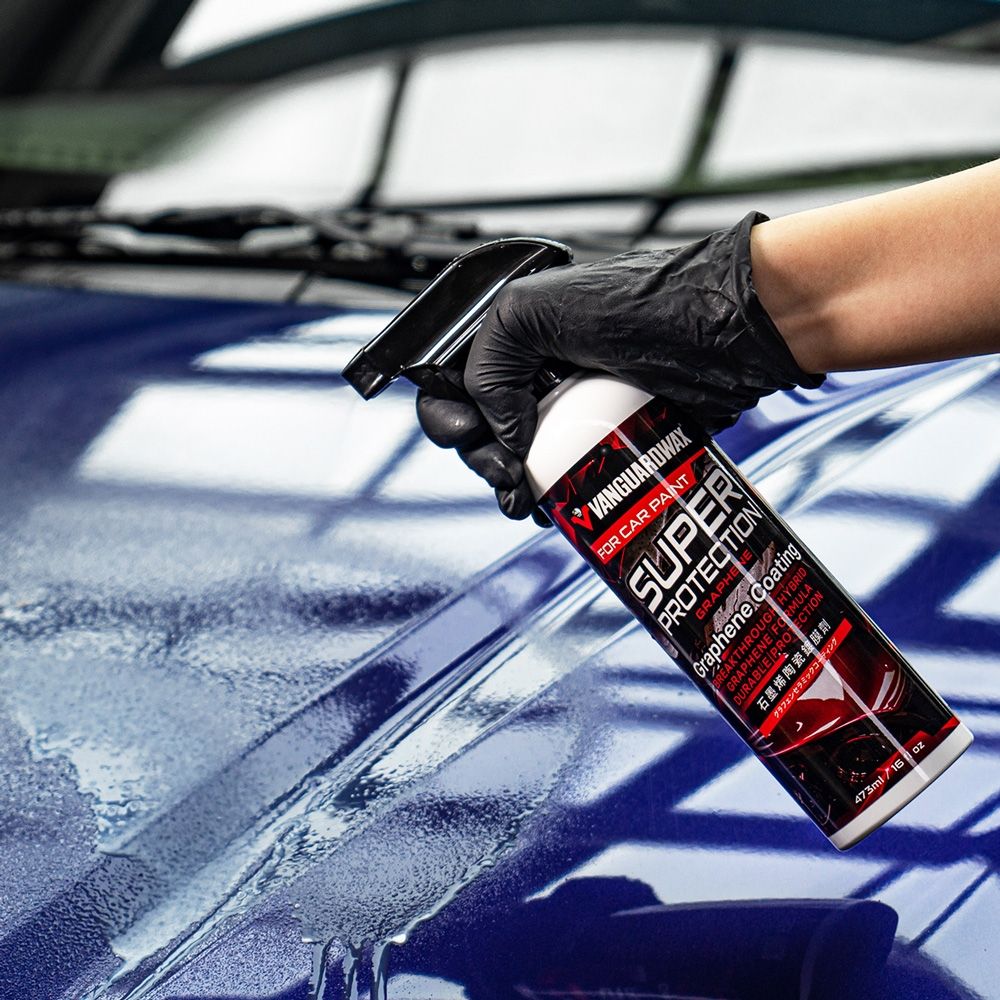
Spray the sealant directly over the entire car, about 5–10 passes per panel depending on size, working clockwise or counter-clockwise. Do not wipe — rinse directly with a high-pressure water gun.
Advantages: fast, saves time and effort. Disadvantages: consumes more product quickly, less time for the paint to absorb it, and finish brightness can end up uneven.
2. Sponge method
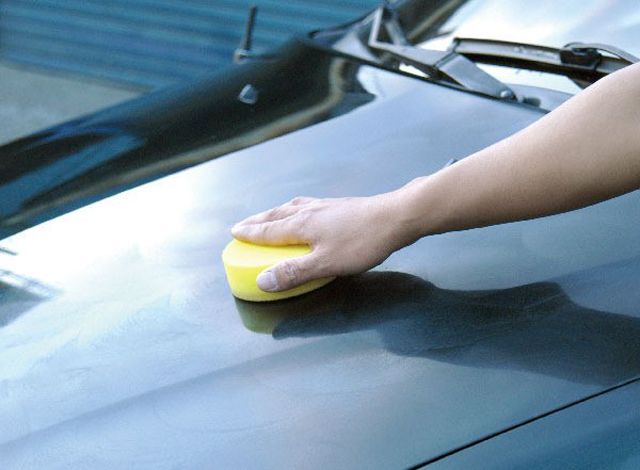
After washing, hold the sealant spray in one hand and a wet sponge in the other. Spray 3–5 times per panel, spread evenly, wait about a minute, then rinse with low-pressure water.
Advantages: the sealant penetrates the paint surface effectively and uses less product. Disadvantages: takes longer to apply.
3. Microfiber cloth method
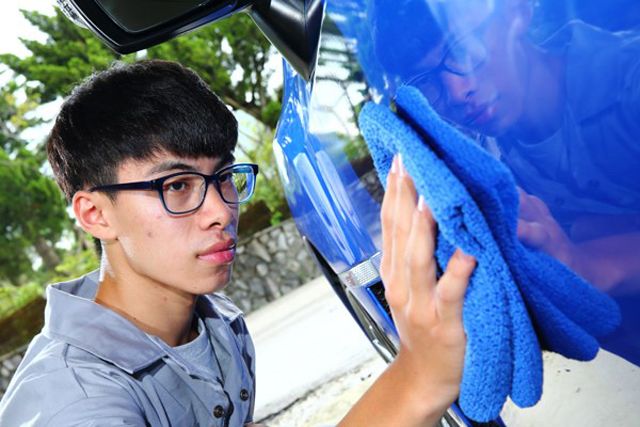
Prepare a bucket of water and several microfiber cloths. After spraying the whole car, wait about a minute, then wipe with a wet cloth, followed by a slightly damp cloth to absorb the remaining water.
Advantages: saves product and water. Disadvantages: requires more back-and-forth wiping and wears through cloths faster.
Frequently asked questions
Should sealant go on before or after waxing?
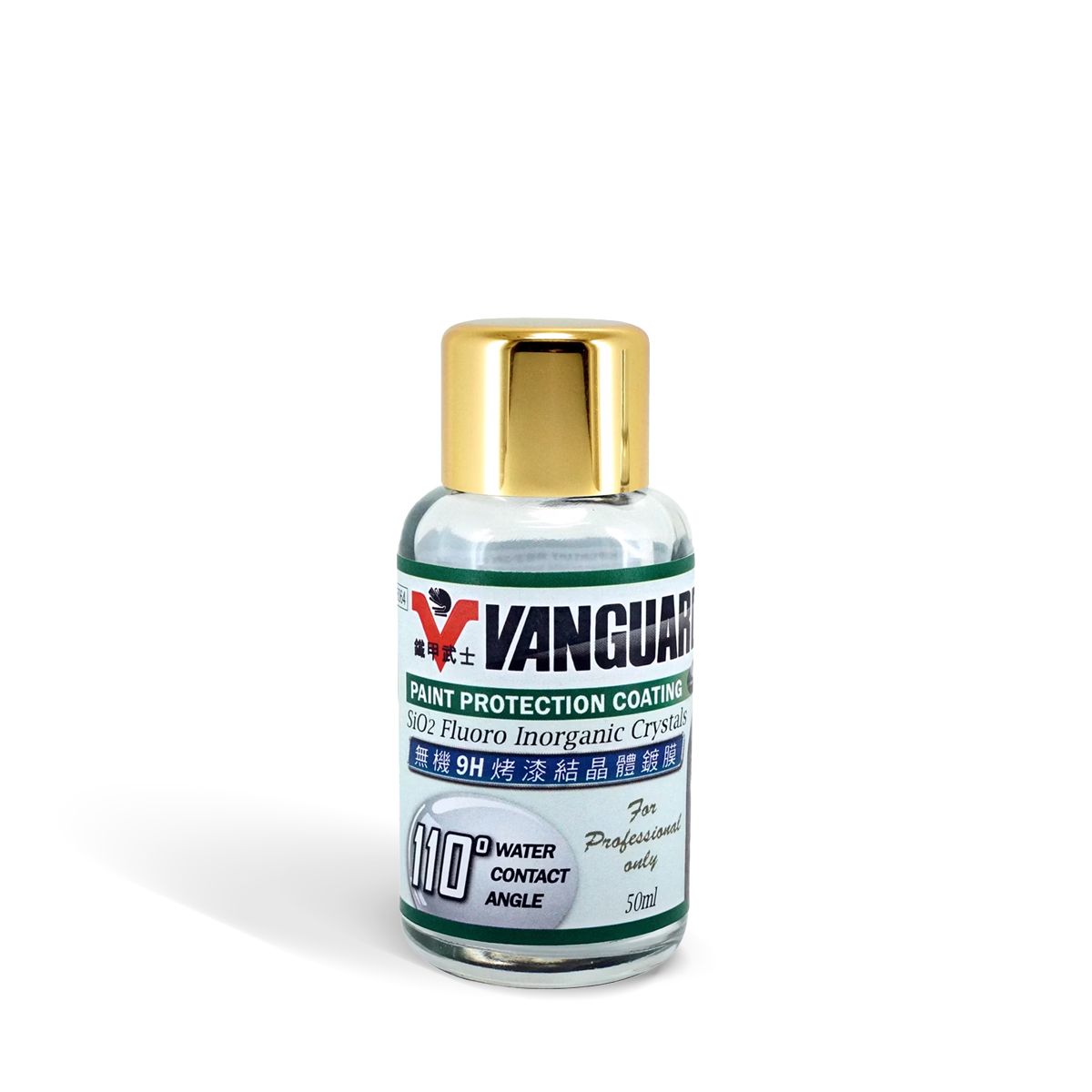
Polymer sealant works well after waxing — it extends the time before your next wax and boosts the paint's gloss. For double protection, layer it on top of a wax or coating.
Can it be applied to a dry body?
Yes — wet or dry, the sealant applies directly. Spray it on and wipe with a clean microfiber cloth.
Does the paint color matter?
No. Light, dark or matte finishes can all be maintained with sealant spray.
What should I watch out for when applying it?
Avoid applying it when the body panels are too hot, work under shelter rather than in direct sun and strong wind, and avoid letting excess dust stick to the wet surface while applying.