The Two-Bucket Car Wash Method, Step by Step
One bucket of foam, one of rinse water, and the grit goes into the bucket instead of back onto your paint. The full DIY two-bucket wash routine.
Esta página aún no está traducida y se muestra en inglés.
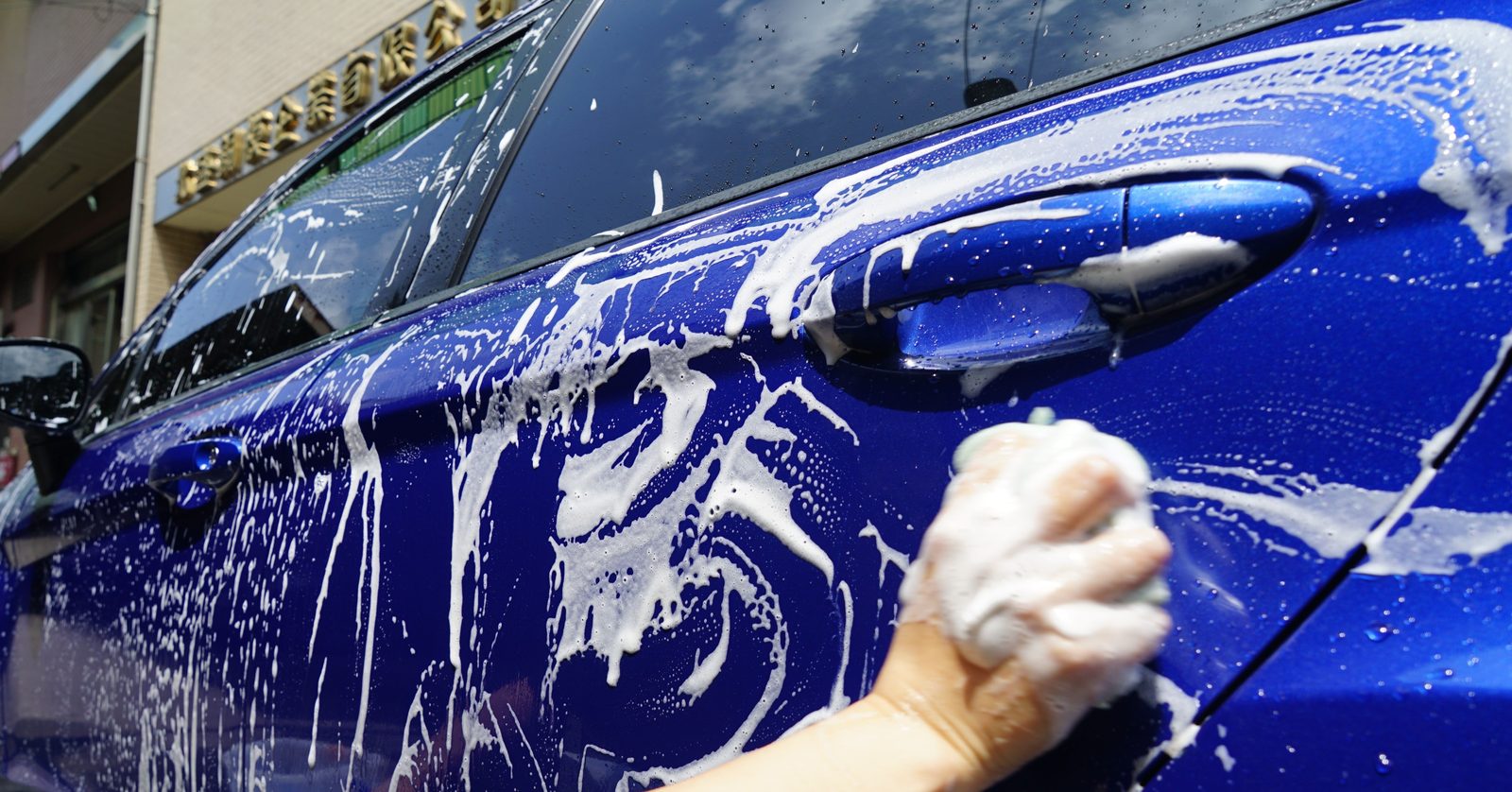
The two-bucket method means washing with one bucket of shampoo foam and one bucket of clean rinse water, working a small section at a time. Each time you finish a section, the grit that came off the car goes into the rinse bucket rather than back onto the paint. It keeps fine scratches to a minimum, keeps the finish smooth, and uses noticeably less water than washing with a running hose.
What do you need?
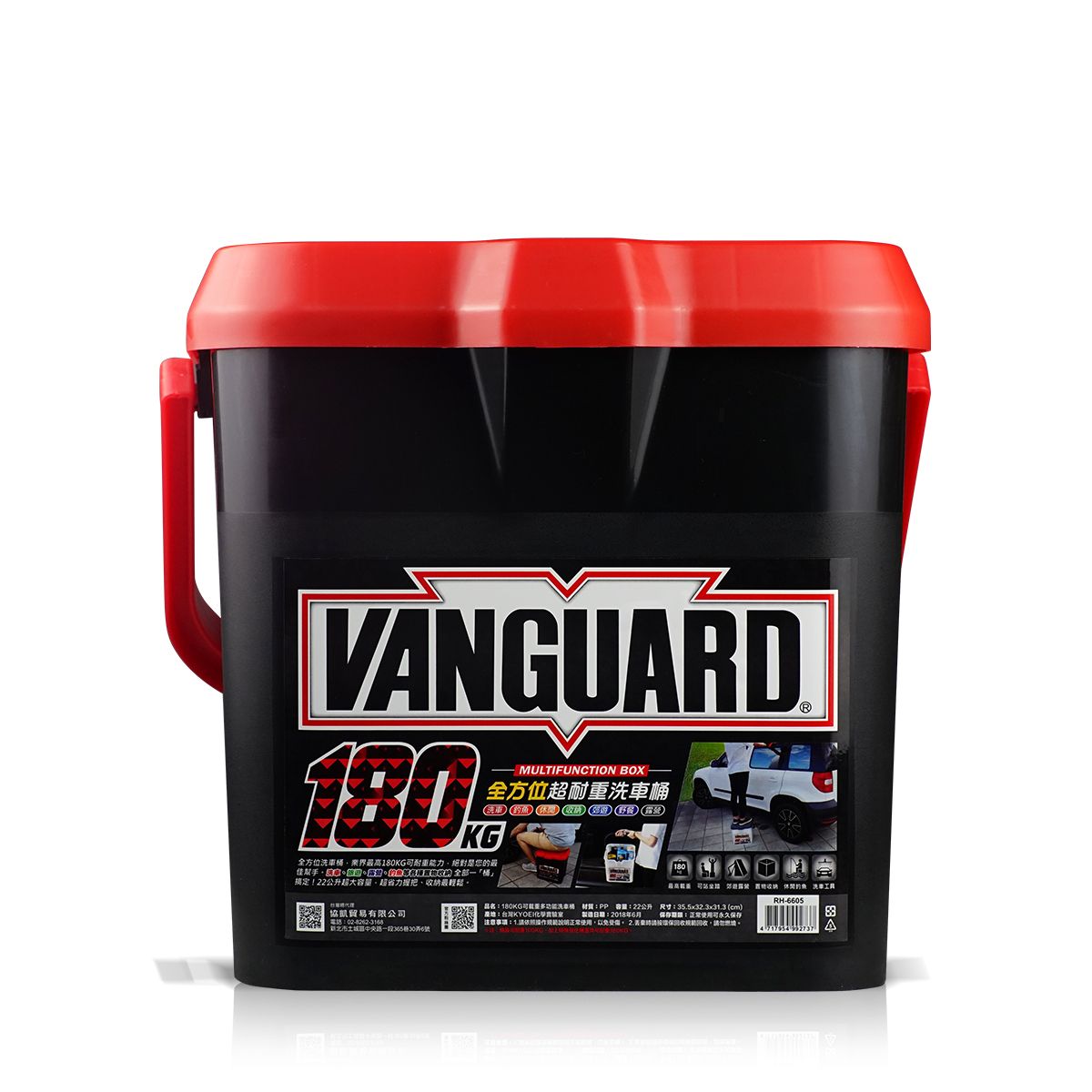
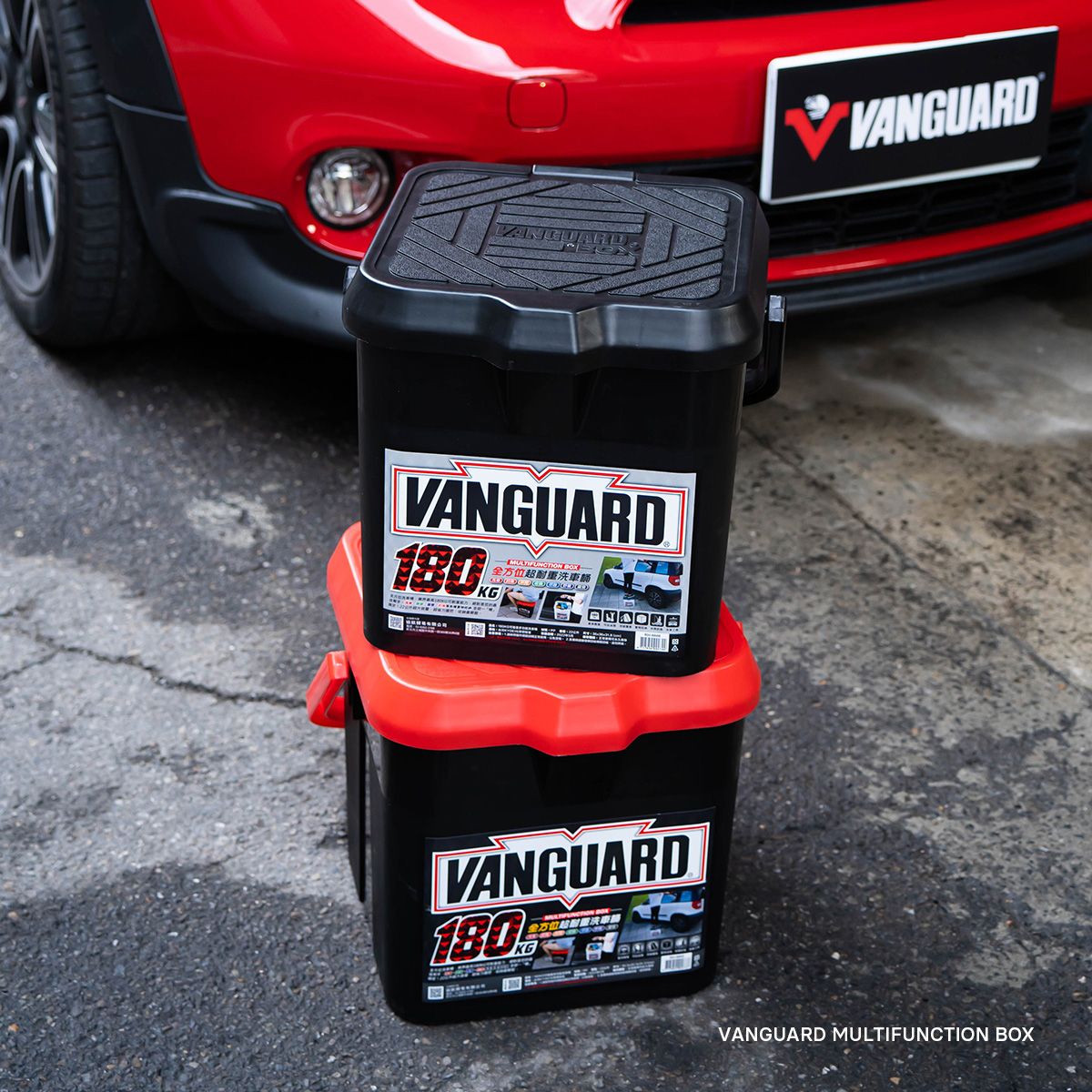
- 2 wash buckets
- 2 grit guards
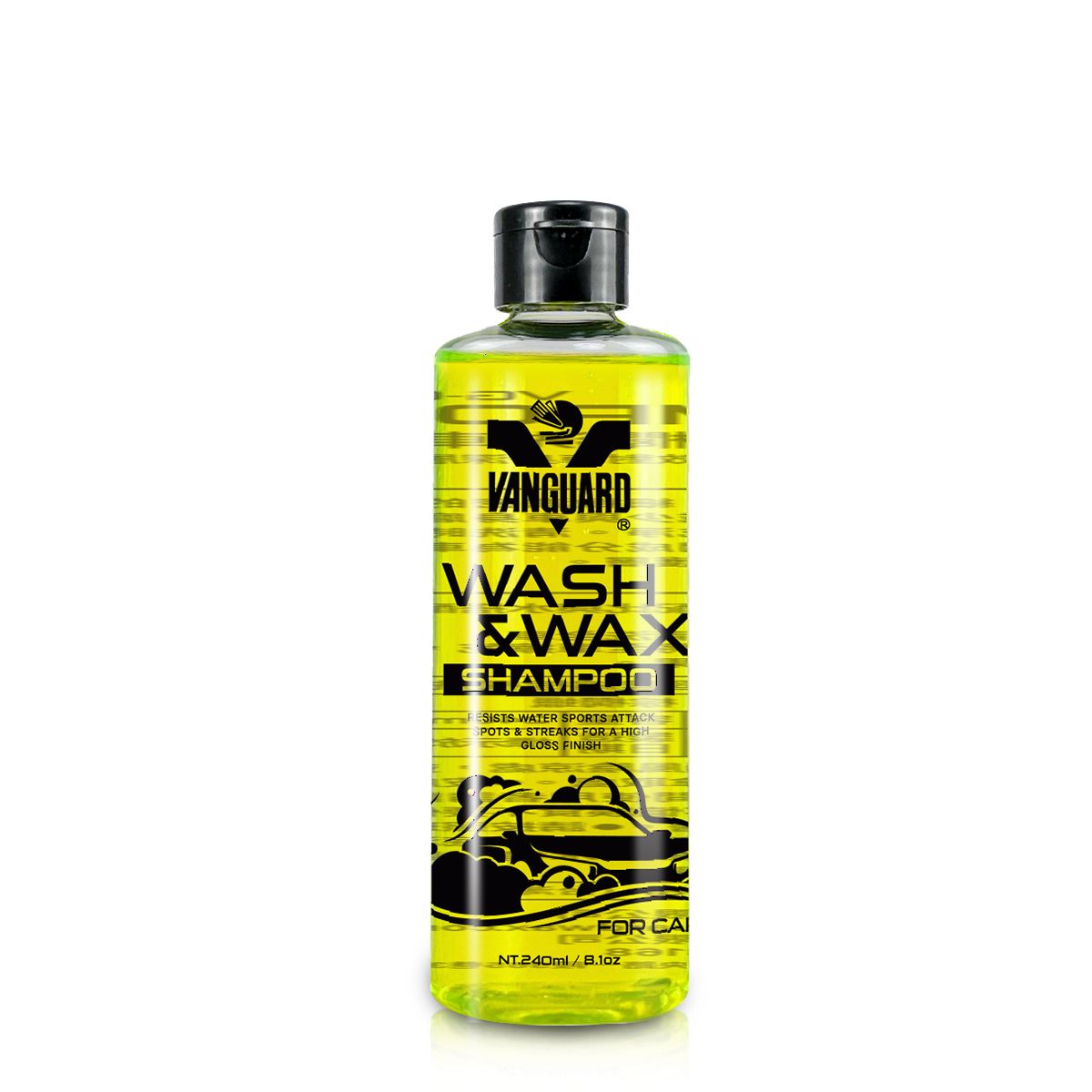
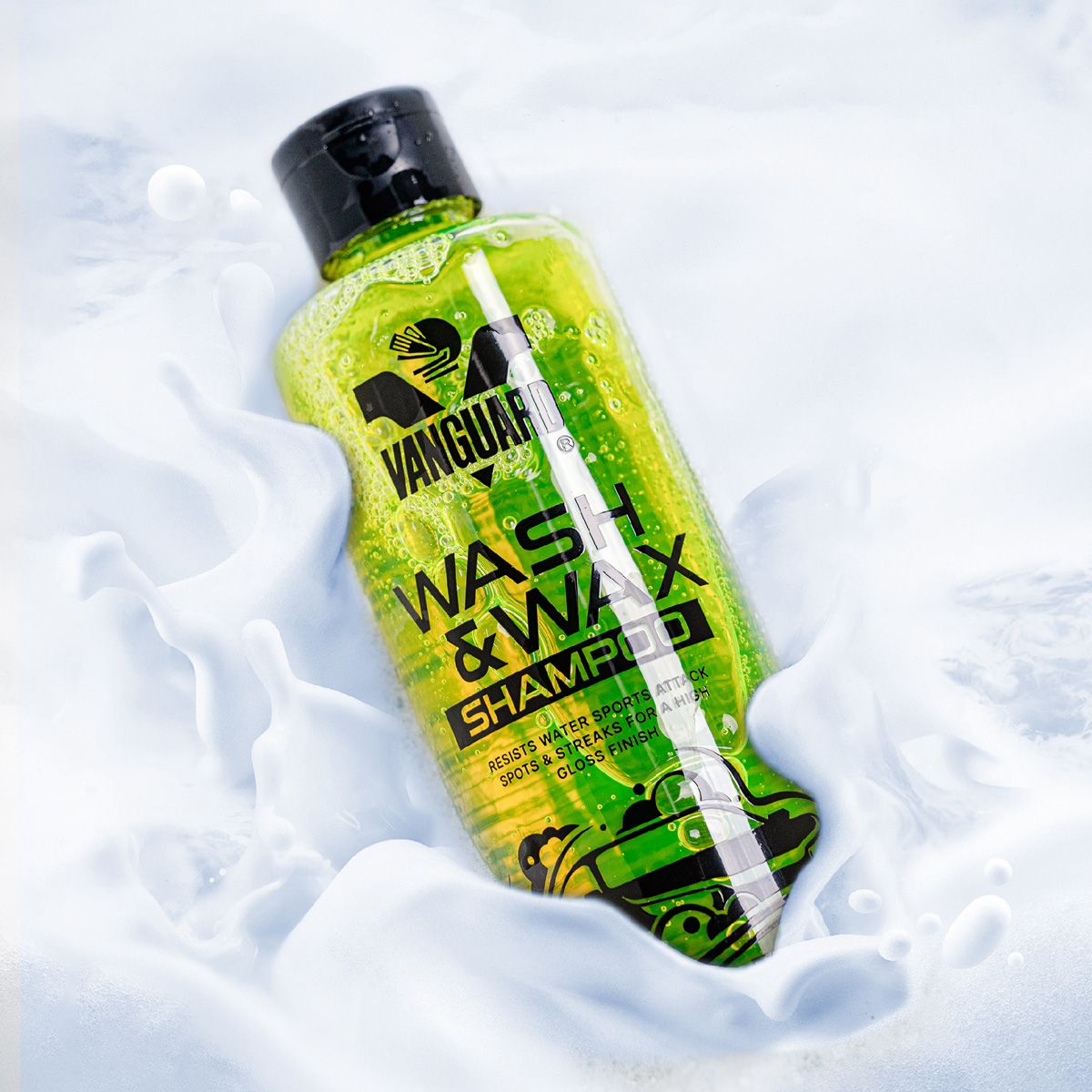
- 1 neutral car shampoo
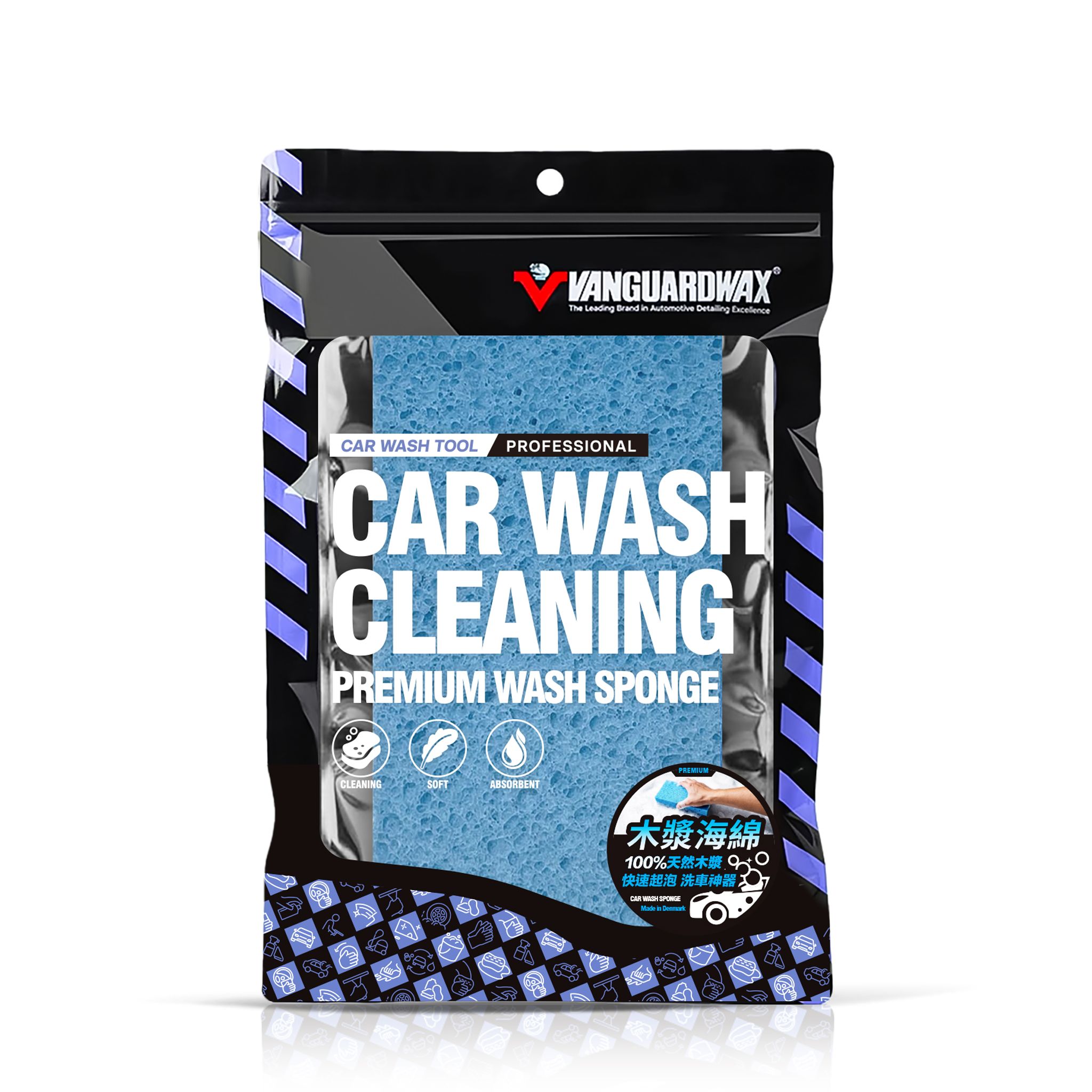
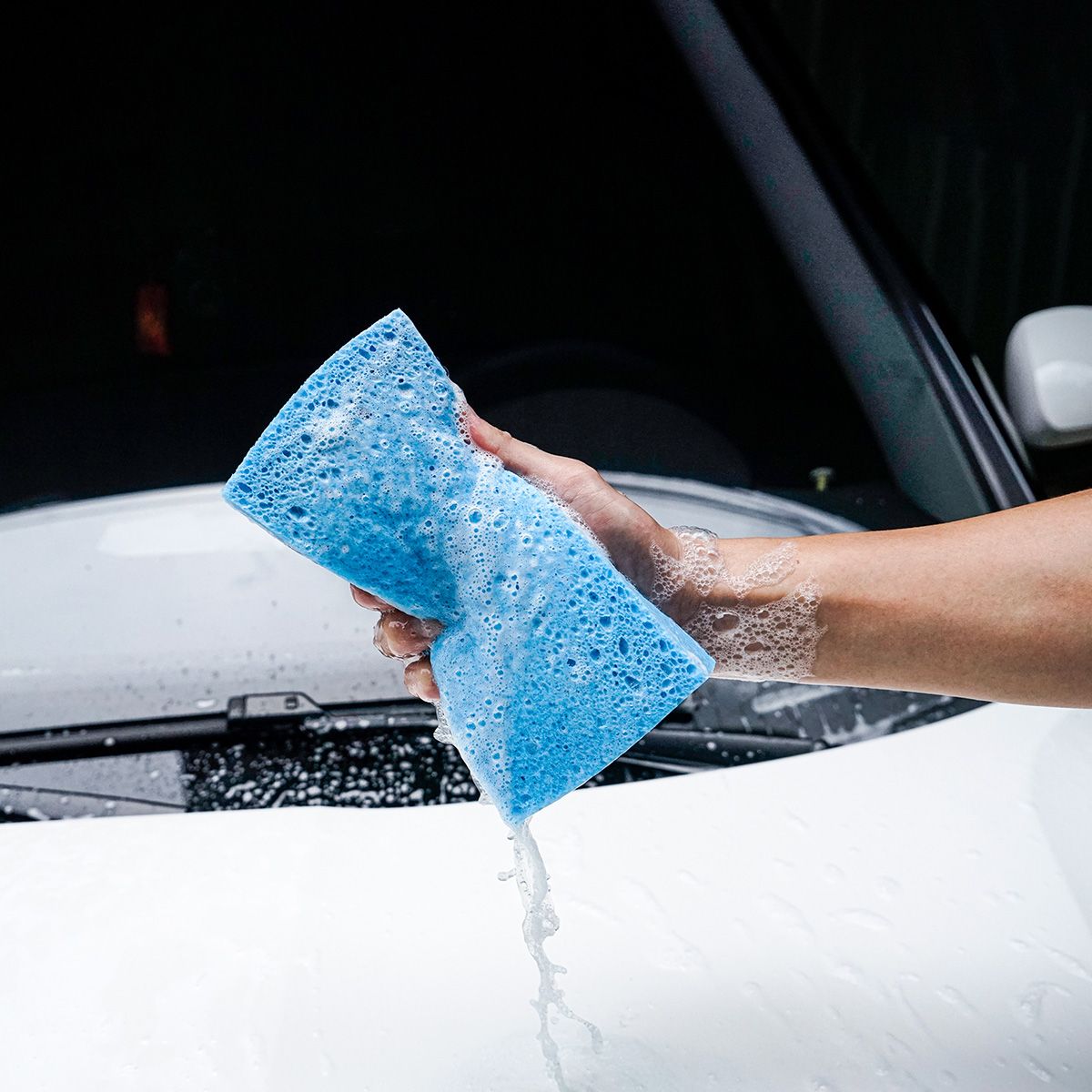
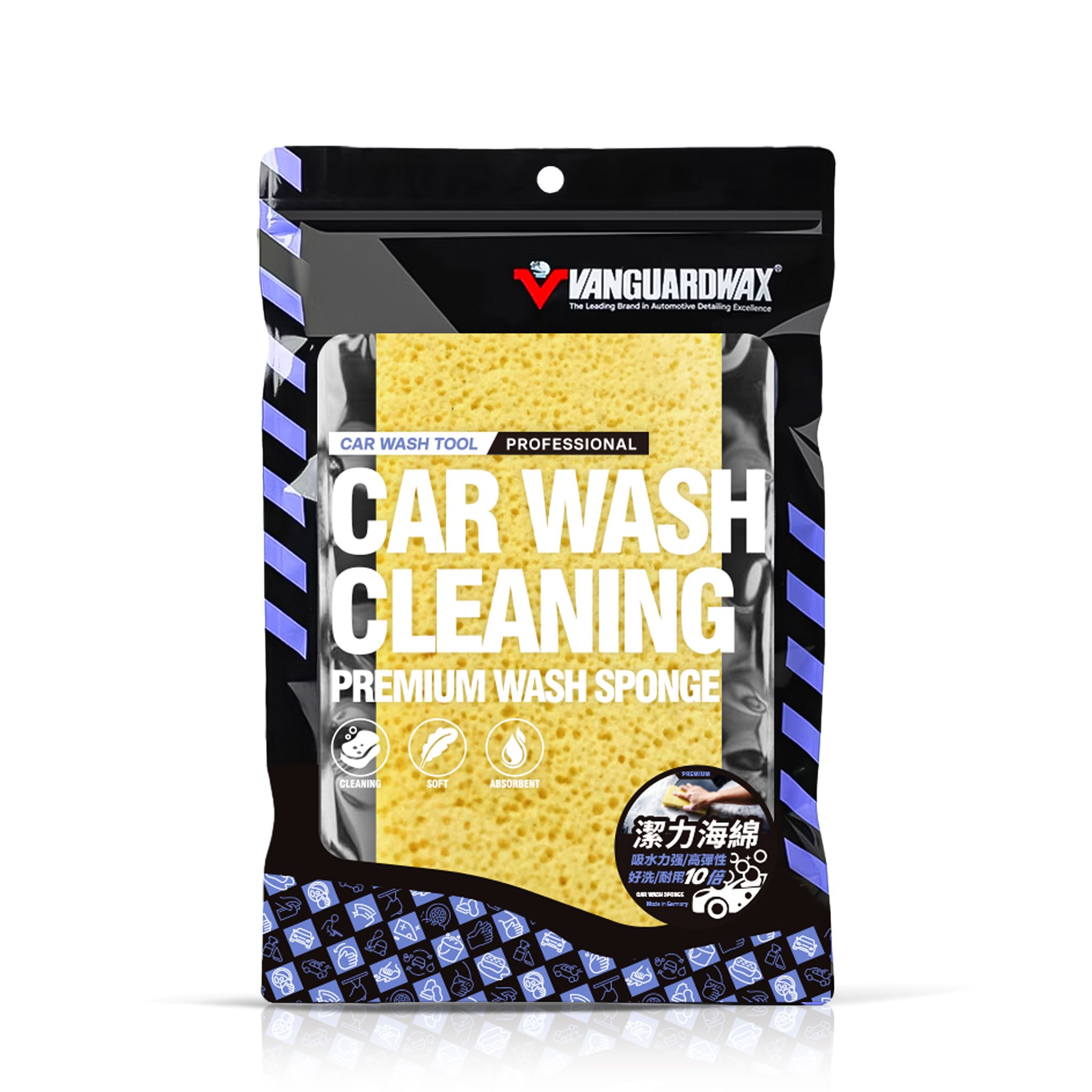
- 1 fine-pore sponge and 1 coarse-pore sponge
- 1 synthetic chamois drying towel
How do you set up?
Fill both buckets to about eighty or ninety per cent. Add the right amount of shampoo to one of them and work up a rich foam. Put a grit guard in the bottom of the clean-water bucket. Wash your sponge clean first, then put it into the shampoo bucket so it loads up with foam.
Which panels do you wash first?
Start by rinsing the loose grit and dust off the whole car. At a self-service bay, use the pressure lance. At home, pinch the end of the hose so the water comes out as a flat jet.
Work in this order, and use the same order again for the final rinse:
Roof, then the A, B, C and D pillars, then the windscreen and rear glass, then the boot lid, then the bonnet, then the four doors, then the front and rear fenders, then the front and rear bumpers, then the four wheels.
How do you wash the upper half?
The upper half of the car gets the fine-pore sponge.
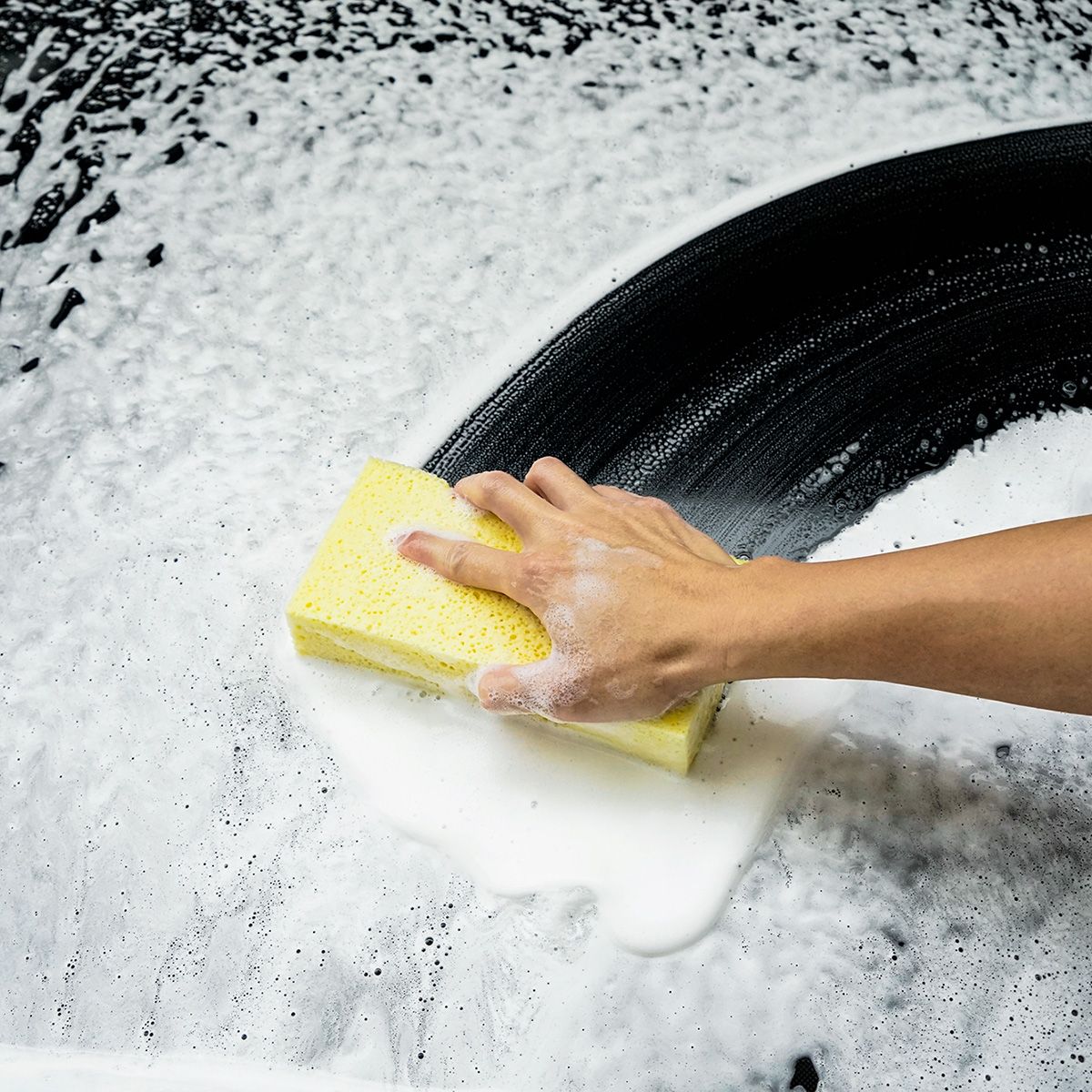
- Load the fine-pore sponge with foam and squeeze some out onto the roof.
- Wash the roof, dividing it into sections sized to suit the panel.
- When a section is done, dunk the sponge into the clean-water bucket and knead it so the grit and dust wash out of the pores along with the foam.
- Squeeze the water out of the sponge, then load it with foam again from the shampoo bucket.
- Finish the roof this way, section by section.
The pillars can be split into two passes, and the front and rear glass are washed the same way. Do the boot lid in two zones and the bonnet in two zones, using the same routine each time.
Once the upper half is done, rinse the foam off with low-pressure water.
How do you wash the lower half?
The lower half gets the coarse-pore sponge, because that is where the coarser grit and dust collect. A coarse-pore sponge holds more debris, and larger debris, inside itself rather than dragging it along the paint.
- Load the coarse-pore sponge with plenty of foam.
- Coat the front and rear bumpers, the front and rear fenders and the doors with foam, so the grit and dust soak and soften first.
- Wash the lower door edges, lower fender edges, bumpers and wheels using the same section-by-section routine.
- Take more care here than on the upper half, as this is the dirtiest part of the car.
Rinse the foam off with low-pressure water when the lower half is finished.
How do you finish?
Check the whole car for any remaining foam, then give it a thorough final rinse with the pressure lance or the flat water jet, working through the same panel order you used to wash. Pay particular attention to rinsing all the shampoo out.
Then dry with the synthetic chamois, again following the wash order. Lay the chamois out flat on the paint and let it absorb, following the rinse order to take up most of the water. Once the bulk of the water is gone, go back and do the final detail wipe.
One last thing before you pack up
Do not tip out the leftover shampoo foam. Use it to clean the sponges and the chamois, so your tools are ready for the next wash.