Waxing ≠ Coating: How the Three Popular Car-Care Products Differ
Porcelain glaze wax, water-repellent coating, and polymer sealant spray solve different problems. Here is a plain comparison, plus the combo that gives double protection.

Esta página aún no está traducida y se muestra en inglés.
We get a lot of messages from DIY car owners wanting to know the difference between porcelain glaze wax, water-repellent coating and polymer sealant spray. As the weather swings between seasons, all three of these VANGUARDWAX car-care products stay popular for keeping a car's gloss and protection up.
Here's a plain comparison of the three.
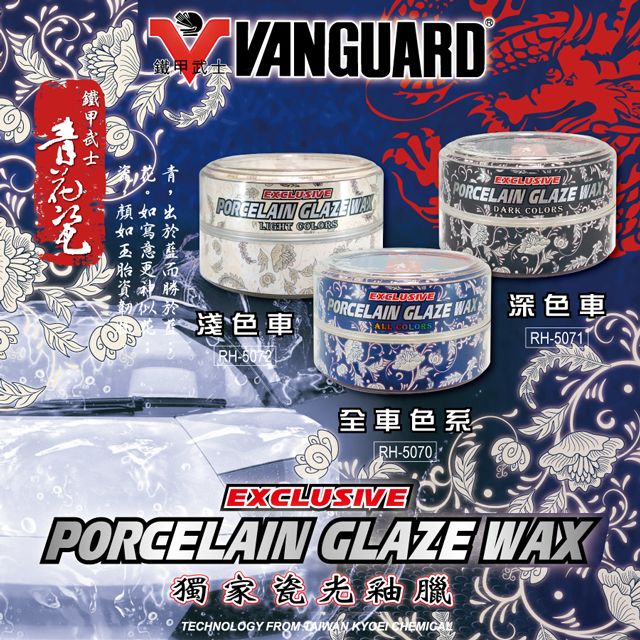
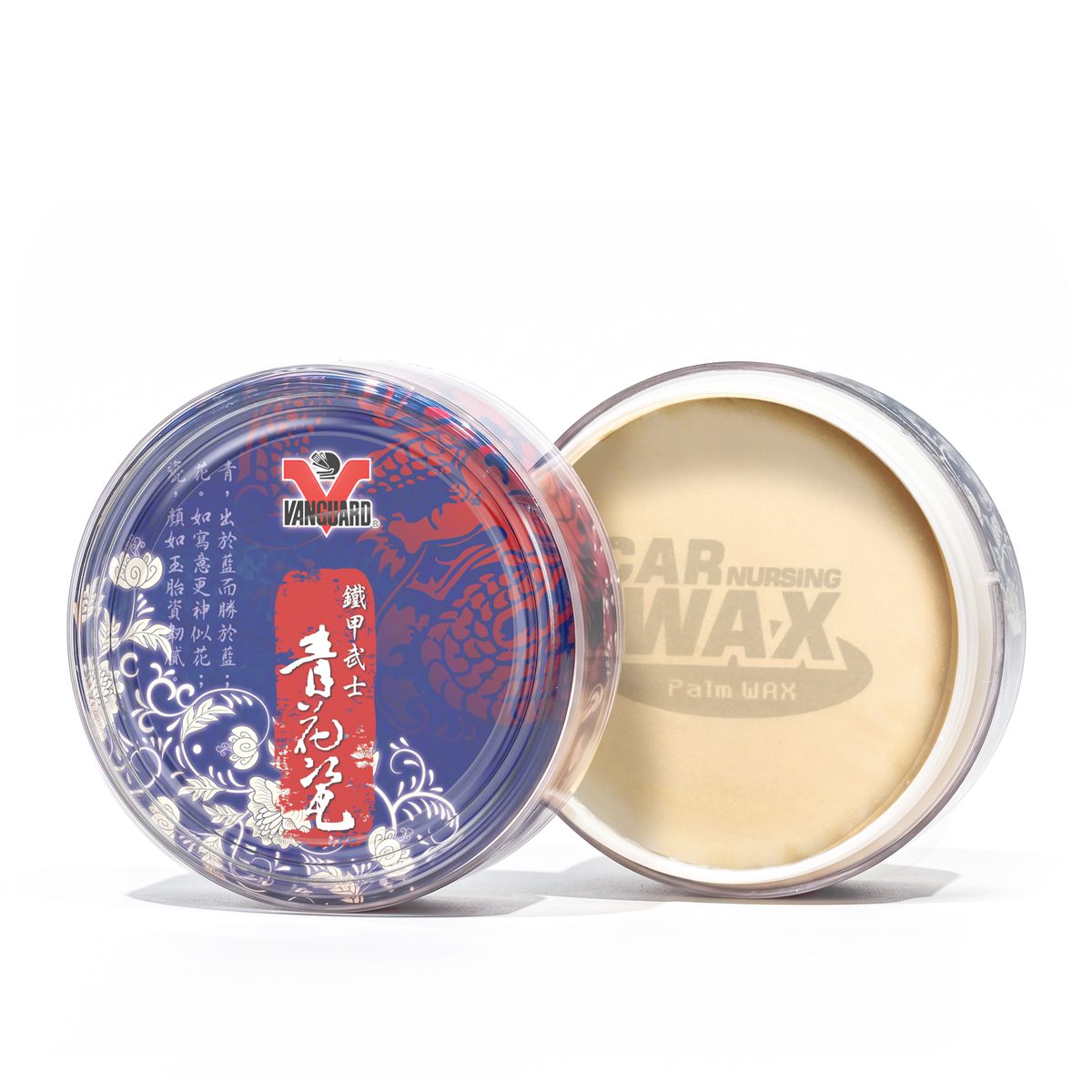
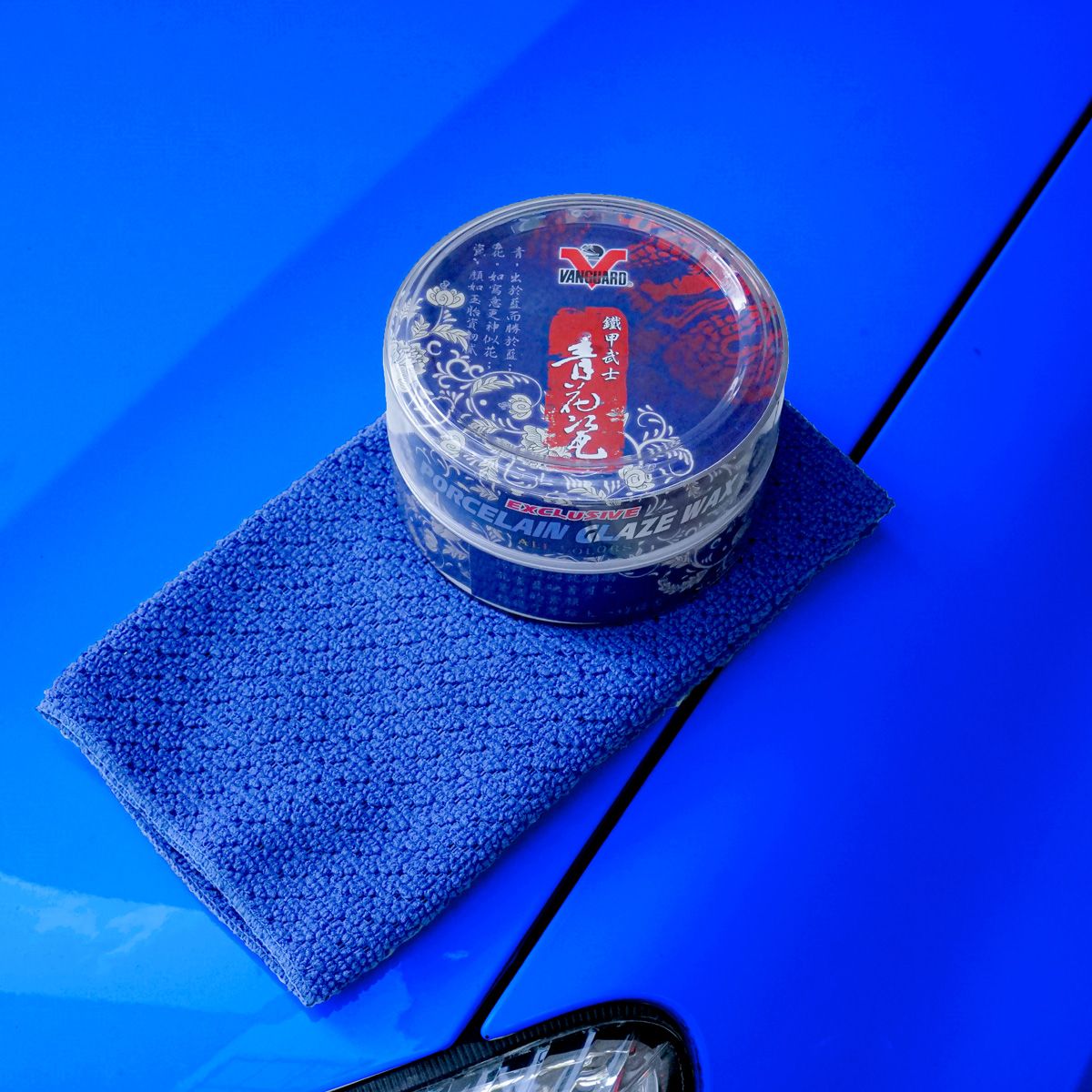
1. Porcelain glaze wax
A carnauba-based wax that builds a hard, glossy protective layer directly on the paint. It's the product to reach for when gloss and depth of color are the priority.
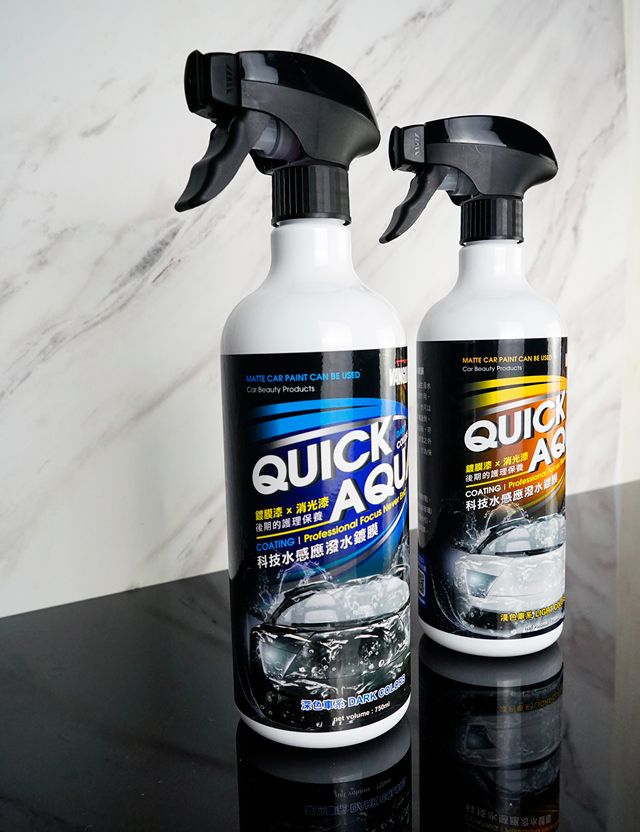
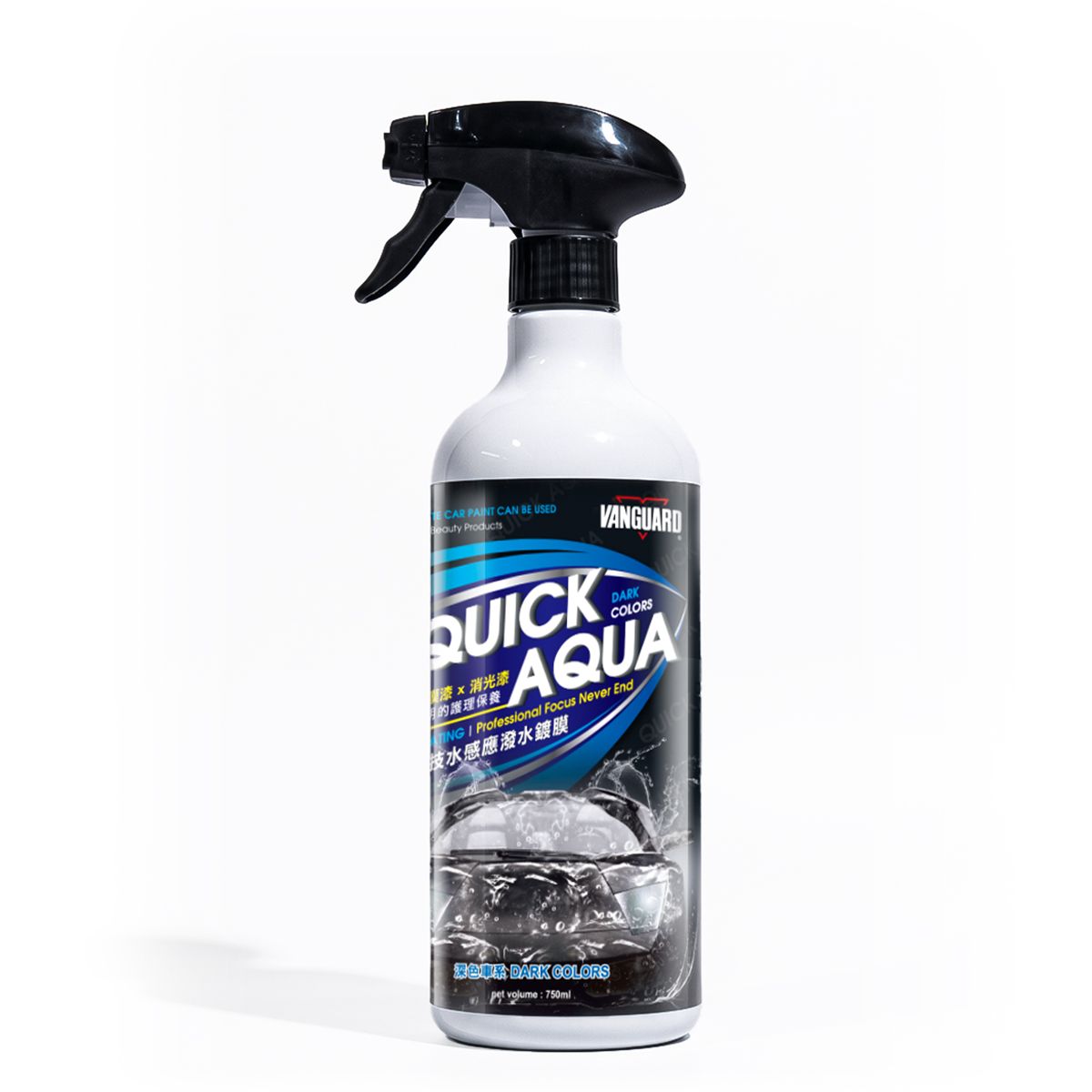
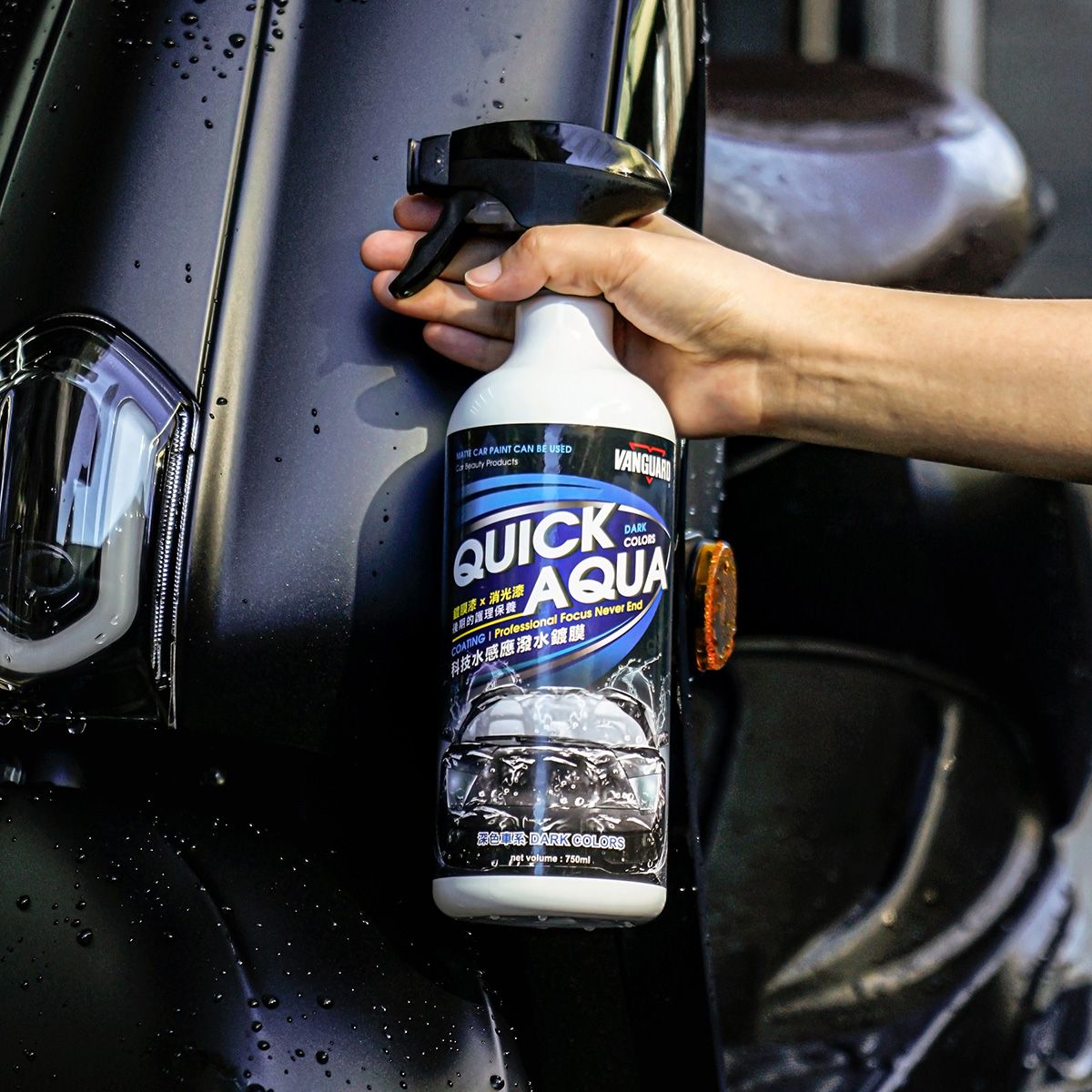
2. Water-repellent coating
A lighter-weight base layer for the paint that improves beading and makes the surface easier to keep clean between washes.
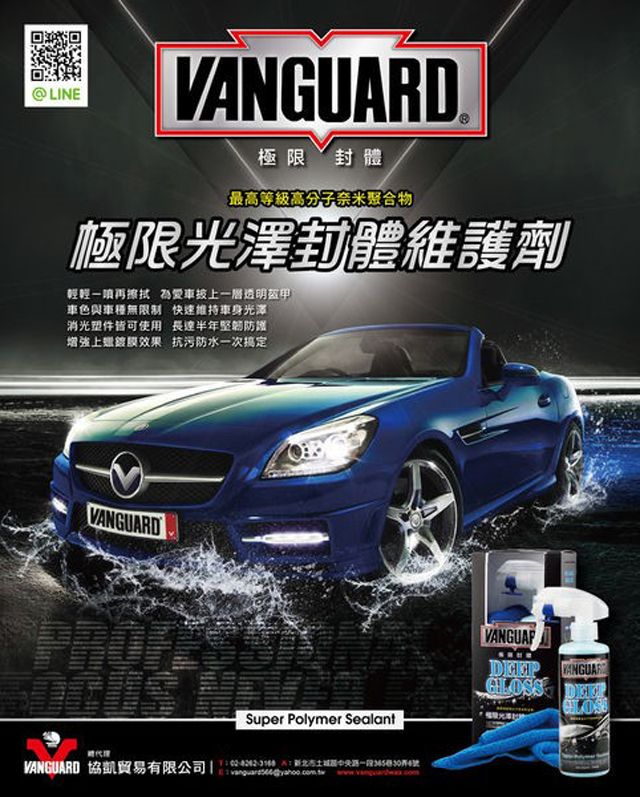
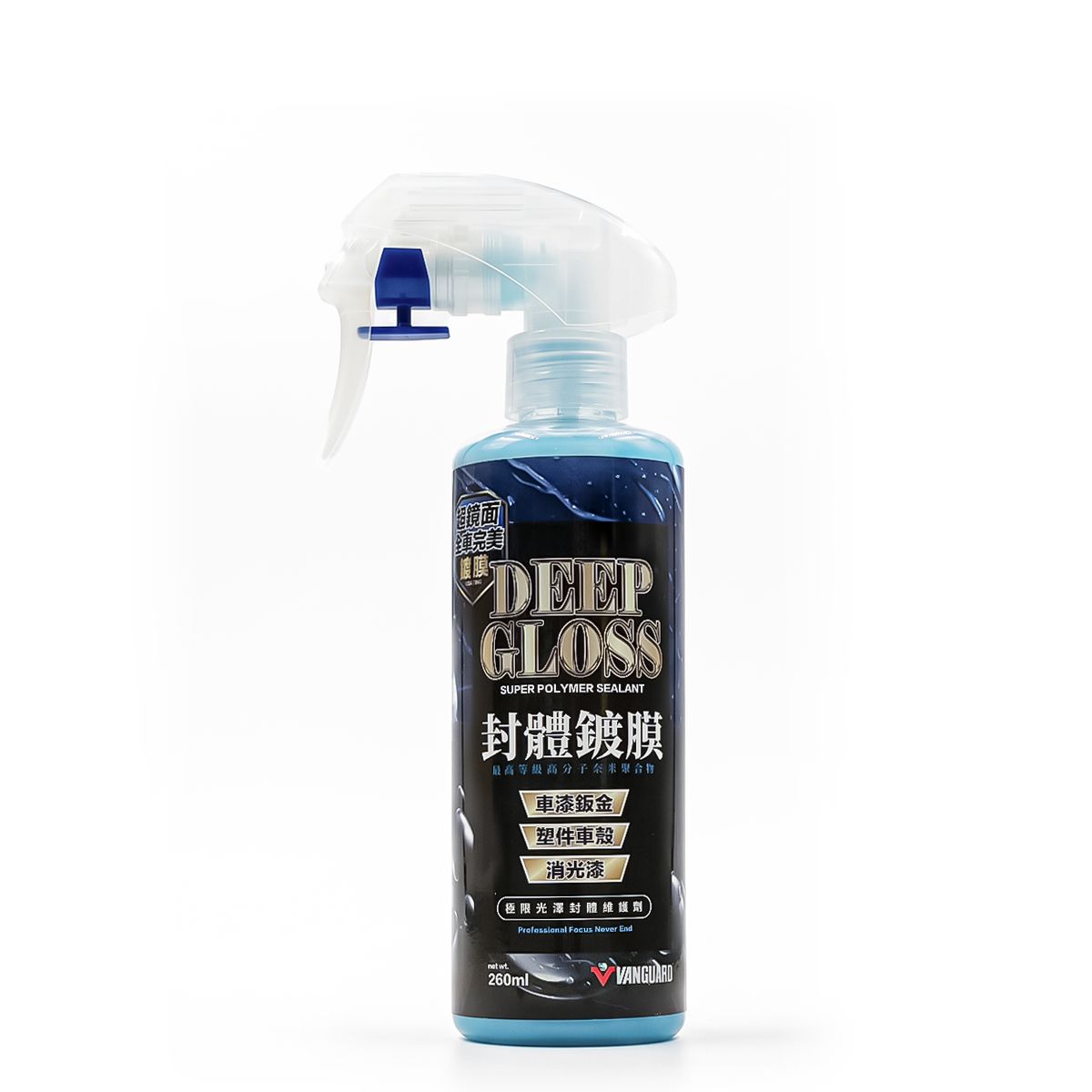
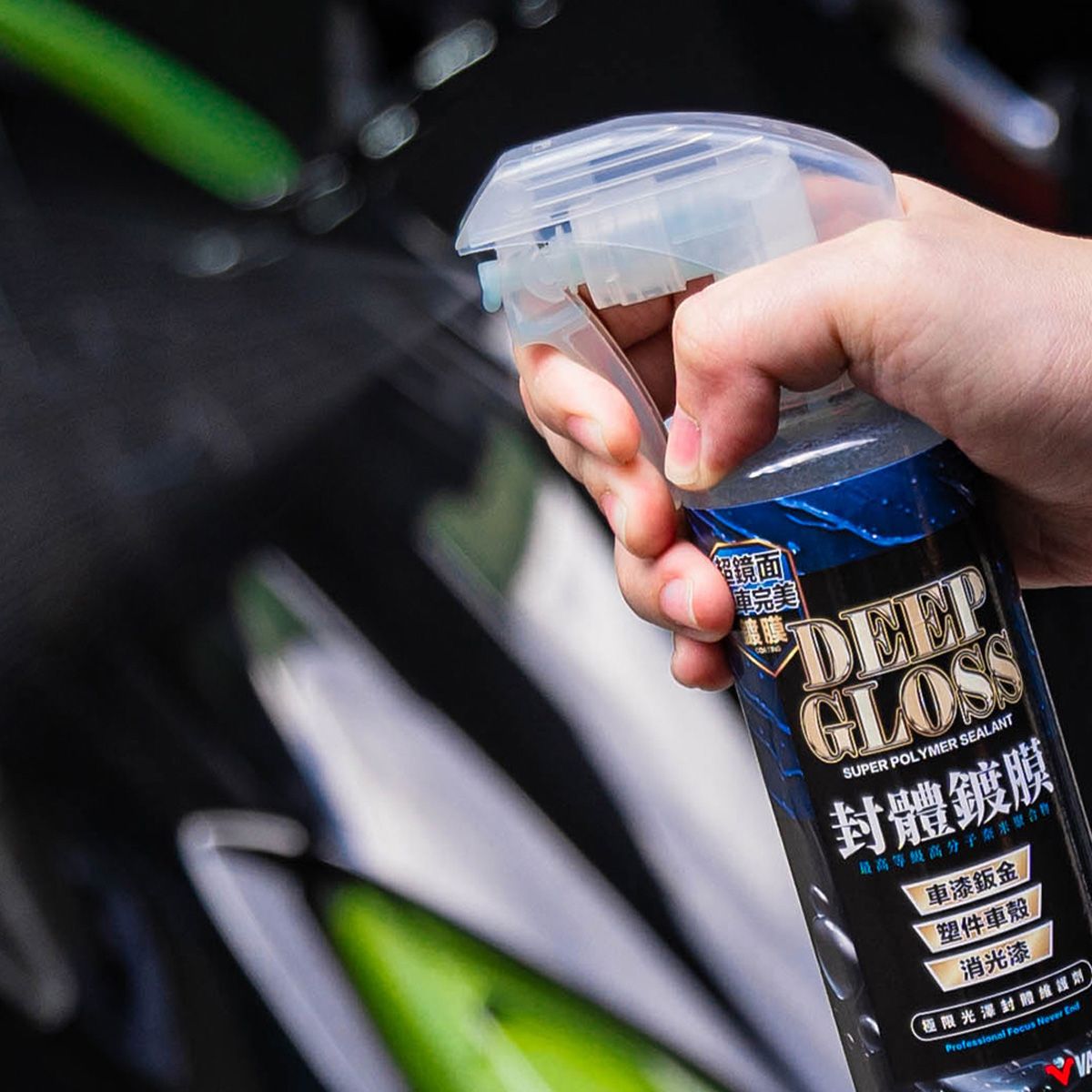
3. Polymer sealant spray
A fast-applying spray that adds extra water resistance and durability on top of whatever is already on the paint.
Waxing ≠ coating
Waxing gives the body a dazzling gloss and a layer of protection. Water-repellent coating lays a good foundation for the paint underneath. Polymer sealant spray adds stronger water resistance and durability. DIY owners can choose the product that fits their washing habits and needs — they aren't interchangeable, and they aren't really competing with each other.
The recommended combo: porcelain glaze wax first, then polymer sealant spray
Porcelain glaze wax forms a hard, glossy polymer layer on the paint; polymer sealant spray then boosts the wax's gloss and adds another layer of water resistance and anti-fouling protection on top. Together they give double protection with double the effectiveness.
Taiwan's climate is a diverse island climate — whichever product you choose to protect your car, regular maintenance is still what keeps it shining.