How Do You Remove Tar, Bug Splatter, Bird Droppings and Sticker Residue?
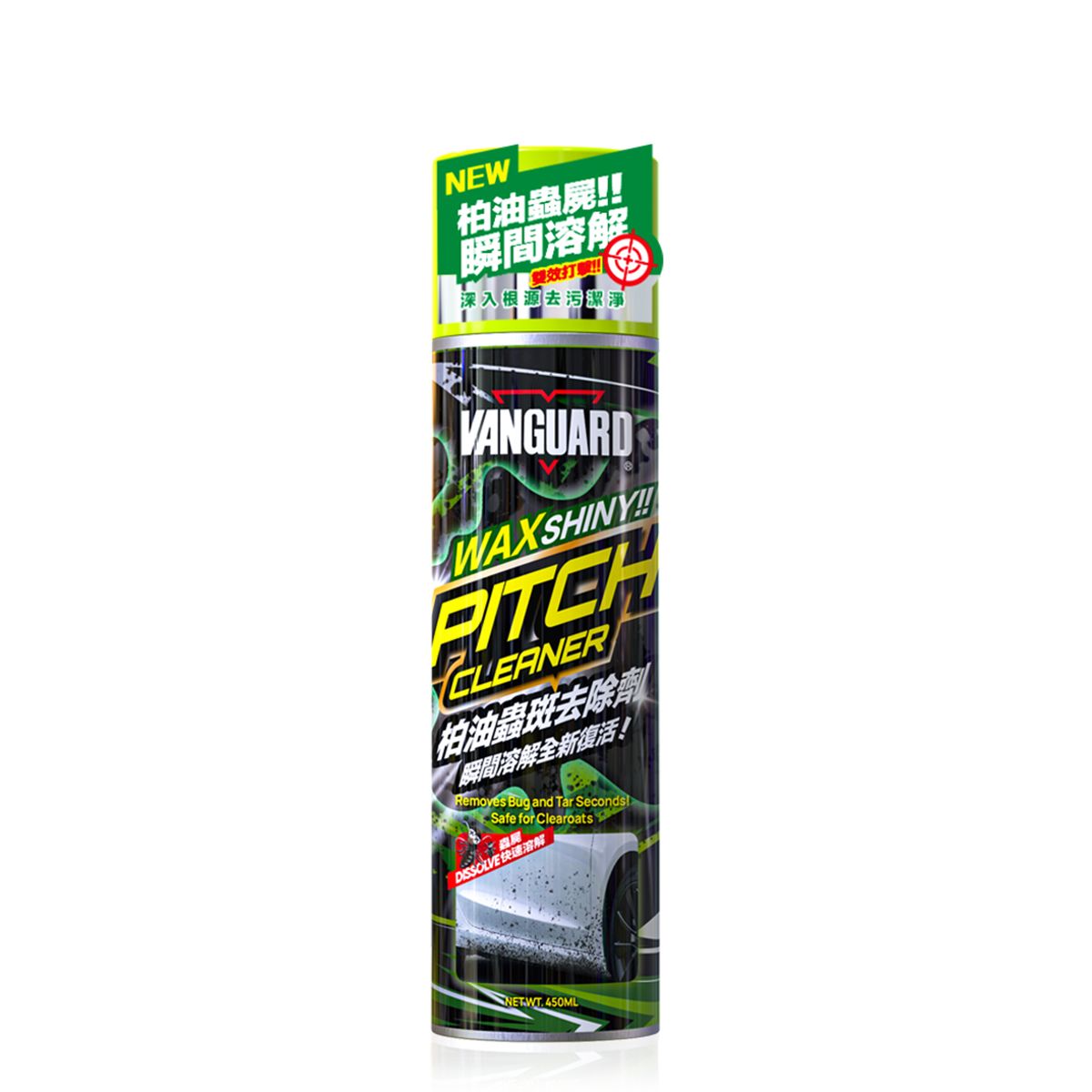
Foam and shampoo will not shift tar, bugs, sap or old adhesive. A dedicated tar and bug remover dissolves them so they wipe away instead of being scrubbed off.
لم تُترجم هذه الصفحة بعد وتُعرض بالإنجليزية.
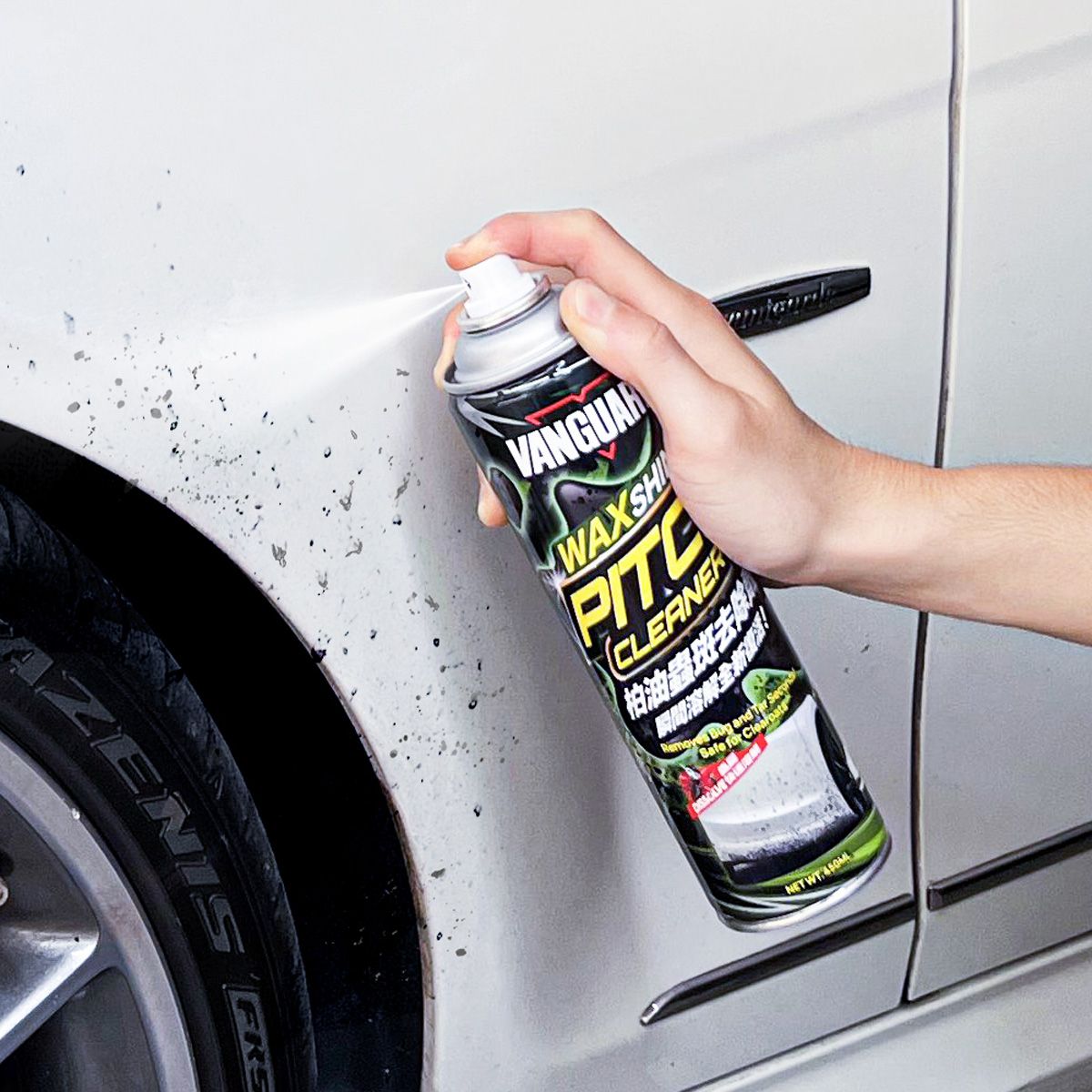
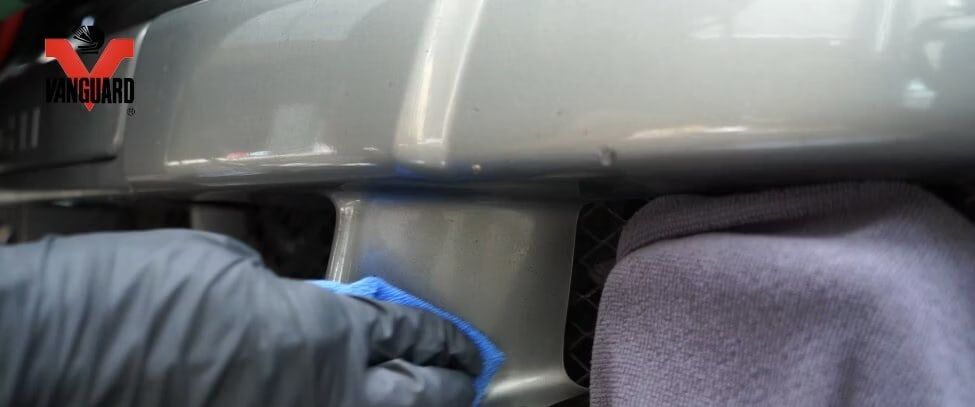
These deposits need a dedicated tar and bug remover, not a stronger shampoo. Spray it directly onto the affected area, let it dwell for a few seconds while it dissolves the deposit, then wipe the softened residue away. Give the car a quick rinse first so you are not dragging loose sand and grit across the paint while you work.
Where does all of this come from?
Every one of these problems arrives without warning. You drive through a stretch of road works and pick up fresh tar. You drive a country road at night and collect the insects chasing your headlights. You park in the shade to keep the car cool and are rewarded with bird droppings. Someone sticks a permit or a label on the glass, and it stays there long after it is needed.
Tar, oily soiling, insect remains, adhesive residue, tree sap and bird droppings are a different class of contamination from ordinary road dust, and they need to be treated differently.
Can't a foam wash deal with it?
No. These deposits will not come off with shampoo alone, and left in place they can etch and damage the paint surface. A tar and bug remover penetrates quickly and breaks the deposits down at the source, so they lift off instead of needing to be scrubbed.
How do you use a tar and bug remover?
The basic procedure is short:
- Rinse or wash the panel first to remove excess sand and dust.
- Spray the product directly onto the surface you want to treat.
- Leave it for a few seconds.
- Wipe away the dissolved deposit.
For a large or particularly stubborn area, extend the dwell time. The one thing to watch is that the product should not be allowed to dry on the paint, so keep the area wet with product while it works. If any deposit remains after the first pass, simply repeat the process until the surface is completely clear.
What about bird droppings?
The same method applies: let the product soften the deposit for a while, then wipe. Once the outer layer has been removed, check what is underneath. Bird droppings are acidic and the part that has already penetrated and etched into the surface is a separate problem that needs additional treatment beyond cleaning.
How do you remove a sticker without leaving a mess?
Work on the sticker before you work on the glue. Spray the product onto the face of the sticker and around its edges, then start peeling from the four corners. Try to lift the sticker off in one piece. The more intact it comes away, the less residue you are left to deal with afterwards.
For an old sticker that has bonded tightly and will not lift, spray around the edges first, then use a scraper or plastic spatula to take off the outer layer of the sticker. Remove as much of it as you can, then spray the product directly onto the remaining glue.
How do you deal with the adhesive residue?
The gentler approach is to work with a cloth rather than attacking the panel:
- Spray the product onto the surface of the residue.
- Add more product to the cloth itself, then wipe.
- Keep the area slightly damp while you work. Residue is much easier to move when it is not dry.
- Re-spray as needed and rotate to a fresh face of the cloth as you go.
You will see the glue transfer onto the cloth, which is exactly what you want. Keep going until the panel is clean.
Still tacky after the glue is gone?
If the surface still feels slightly sticky once the bulk of the residue is off, spray a little more product on and give it a final wipe. That last pass is what leaves the panel genuinely clean rather than clean-looking.