Why Clay Bar Your Car Before Waxing or Coating?
Washing removes what is loose; clay removes what is bonded. Here is how to pick a grade, use it safely and store it between jobs.
Clay before wax, because wax and coating can only be as smooth as the paint underneath them. If the body still feels gritty after washing, those bonded particles stay trapped under whatever you apply next. A clay bar lifts them off first, so the surface is smooth and the wax or coating can do its job properly.
What does a clay bar actually remove?
Washing removes what is loose. What stays behind is bonded to the paint: grit and embedded particles, iron particles, overspray, industrial fallout. That is what you feel when you run a hand over a freshly washed panel and it still feels rough. VANGUARDWAX CLAY-BAR lifts that contamination off the paint and leaves the surface smooth, with none of that foreign-object feel.
Which grade should you choose?
Pick by paint colour:
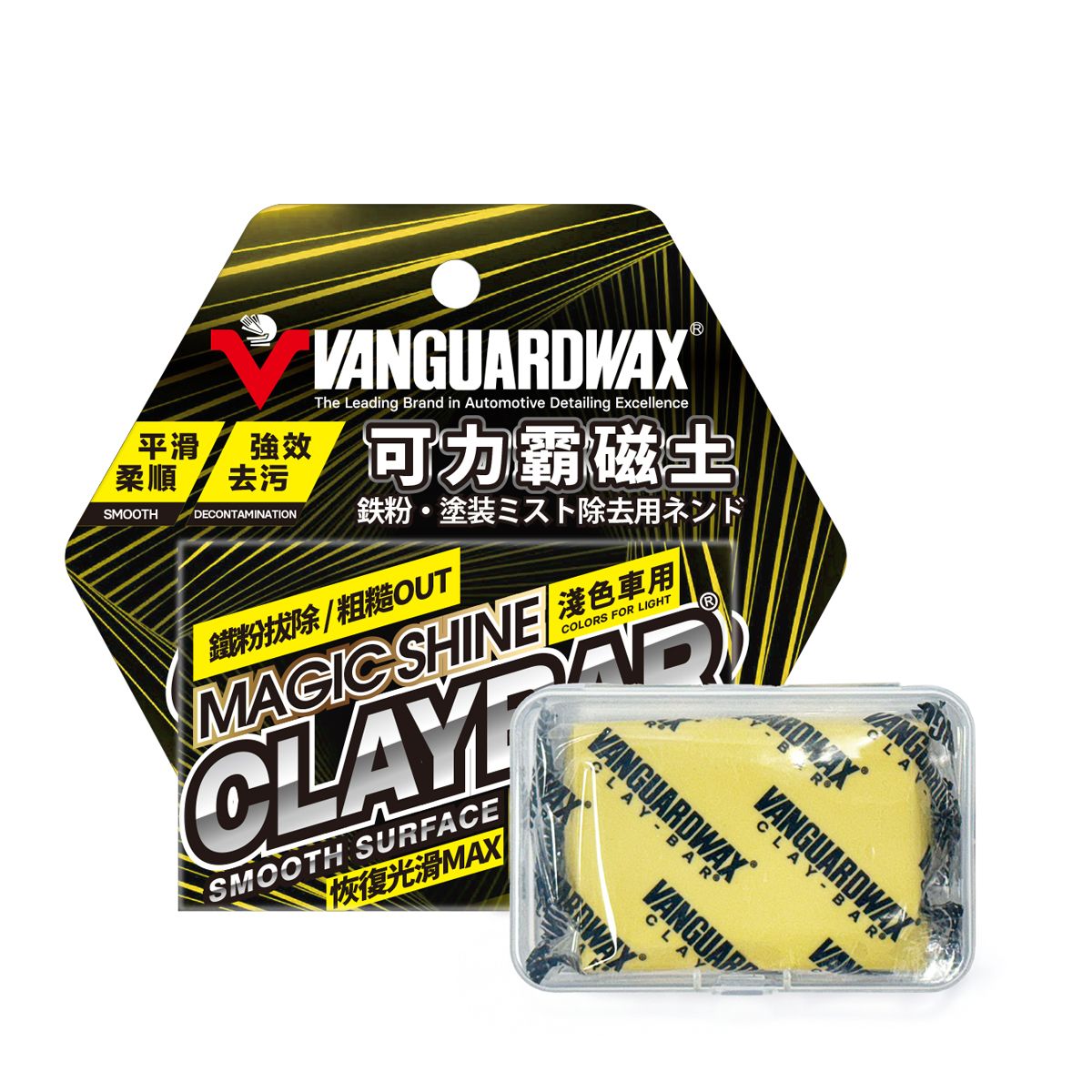
- Light-colour clay (green, 100 g) for white and silver cars
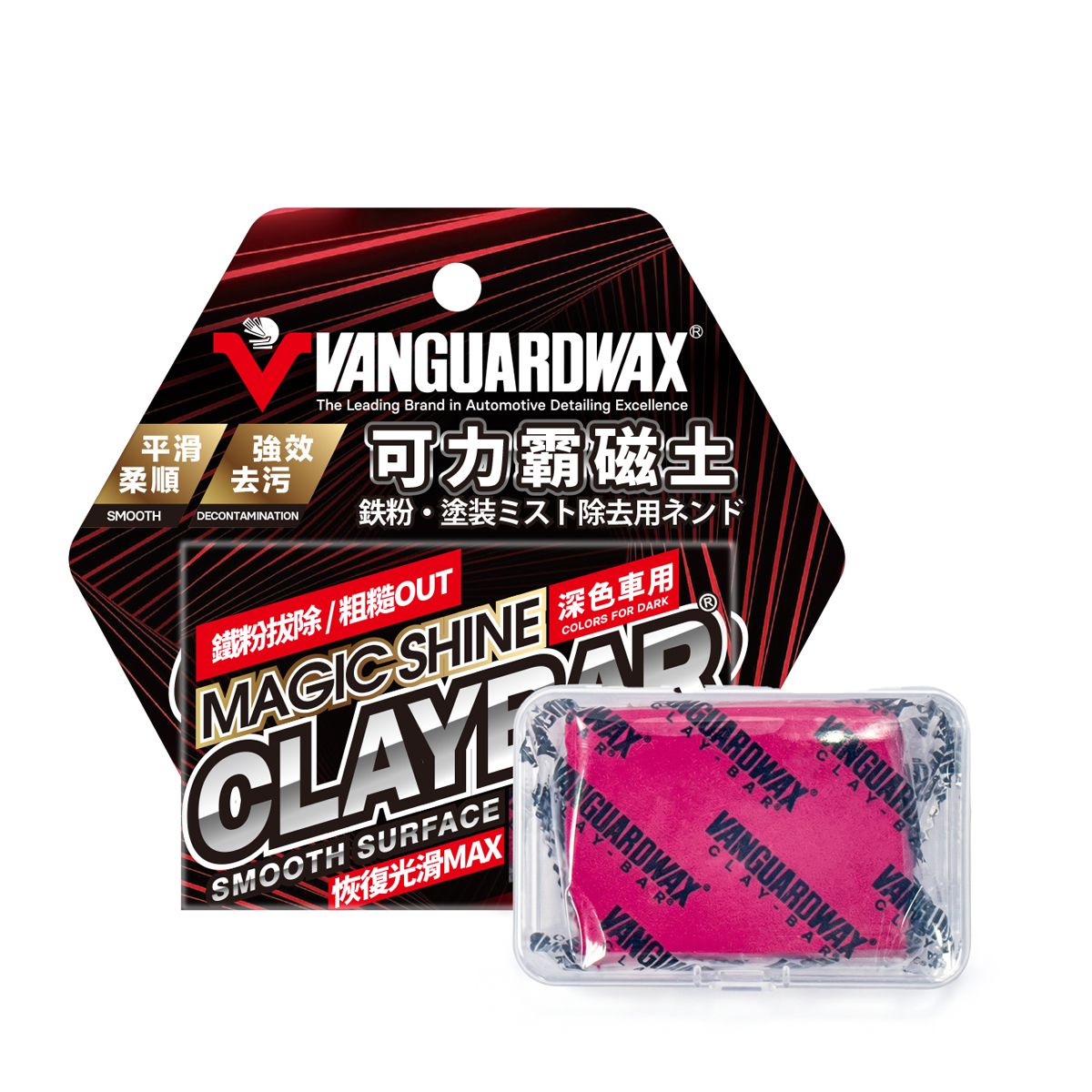
- Dark-colour clay (red, 100 g) for black, red, blue and green cars
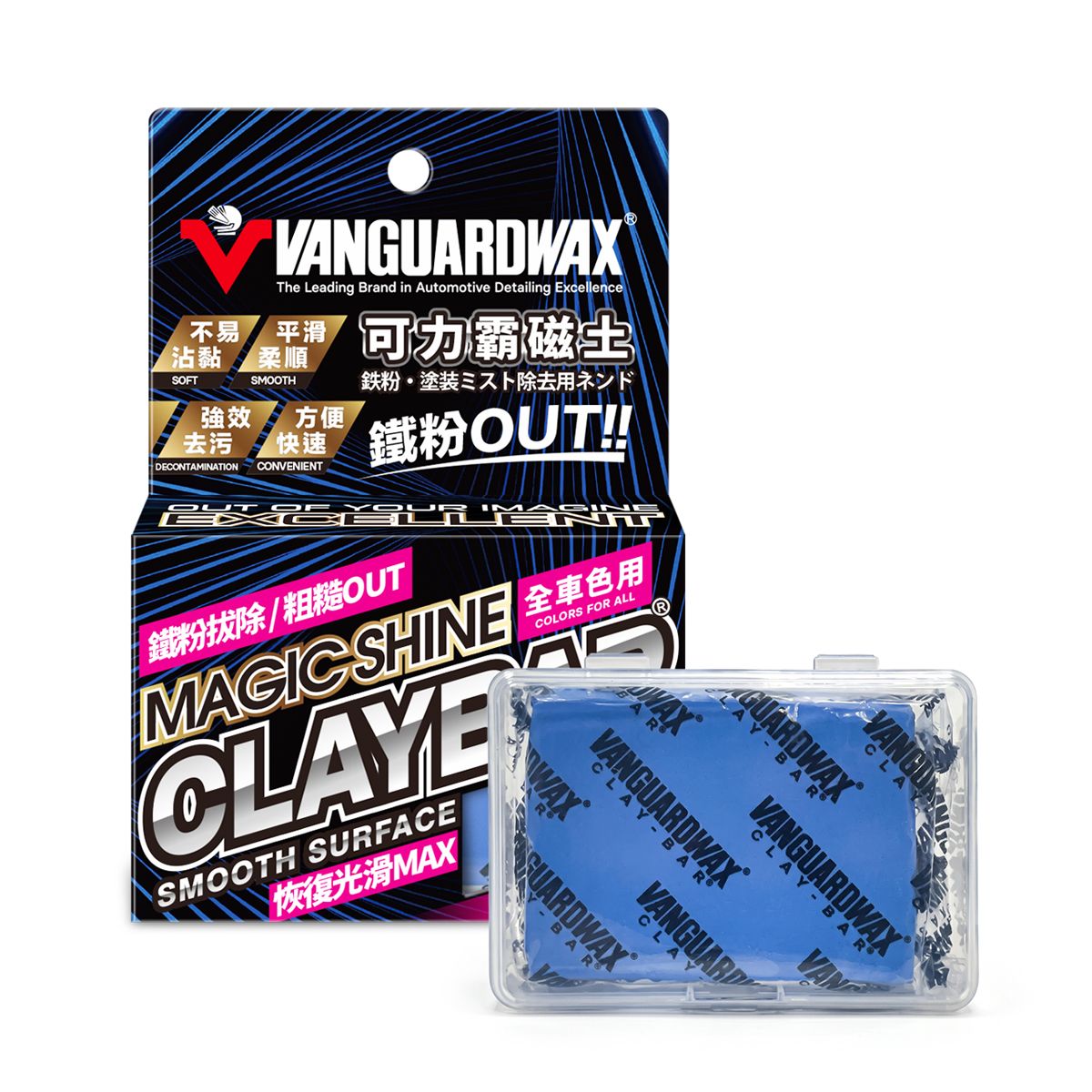
- All-colour clay (blue, 200 g) for any paint colour
How do you use a clay bar?
- Cut off a piece of clay to a size that suits the job.
- Knead it soft, flatten it and shape it into a palm-sized piece.
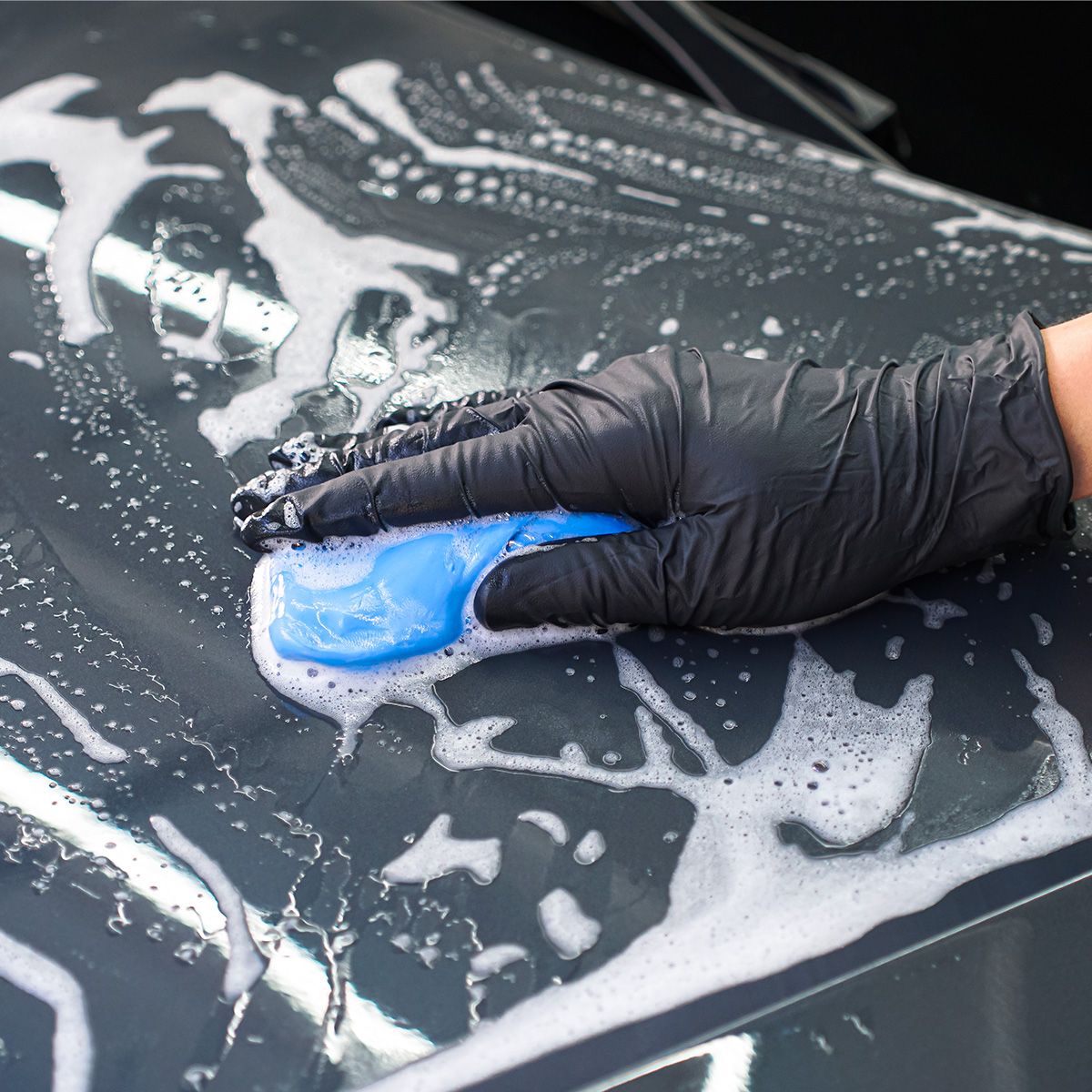
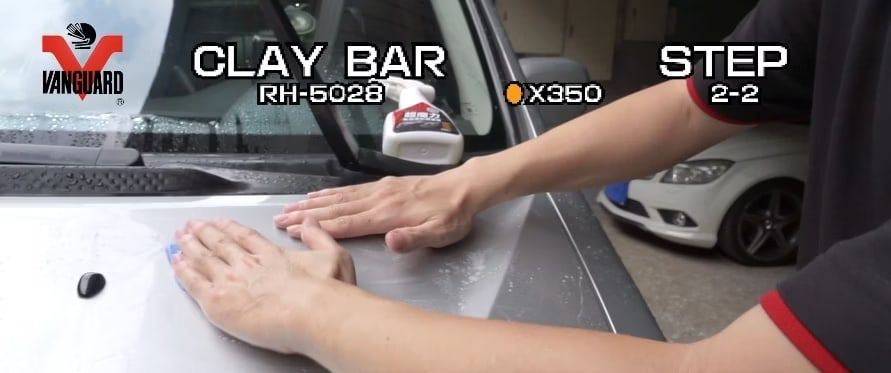
- Wash the car first, and do not dry it. Clay is used on a wet surface.
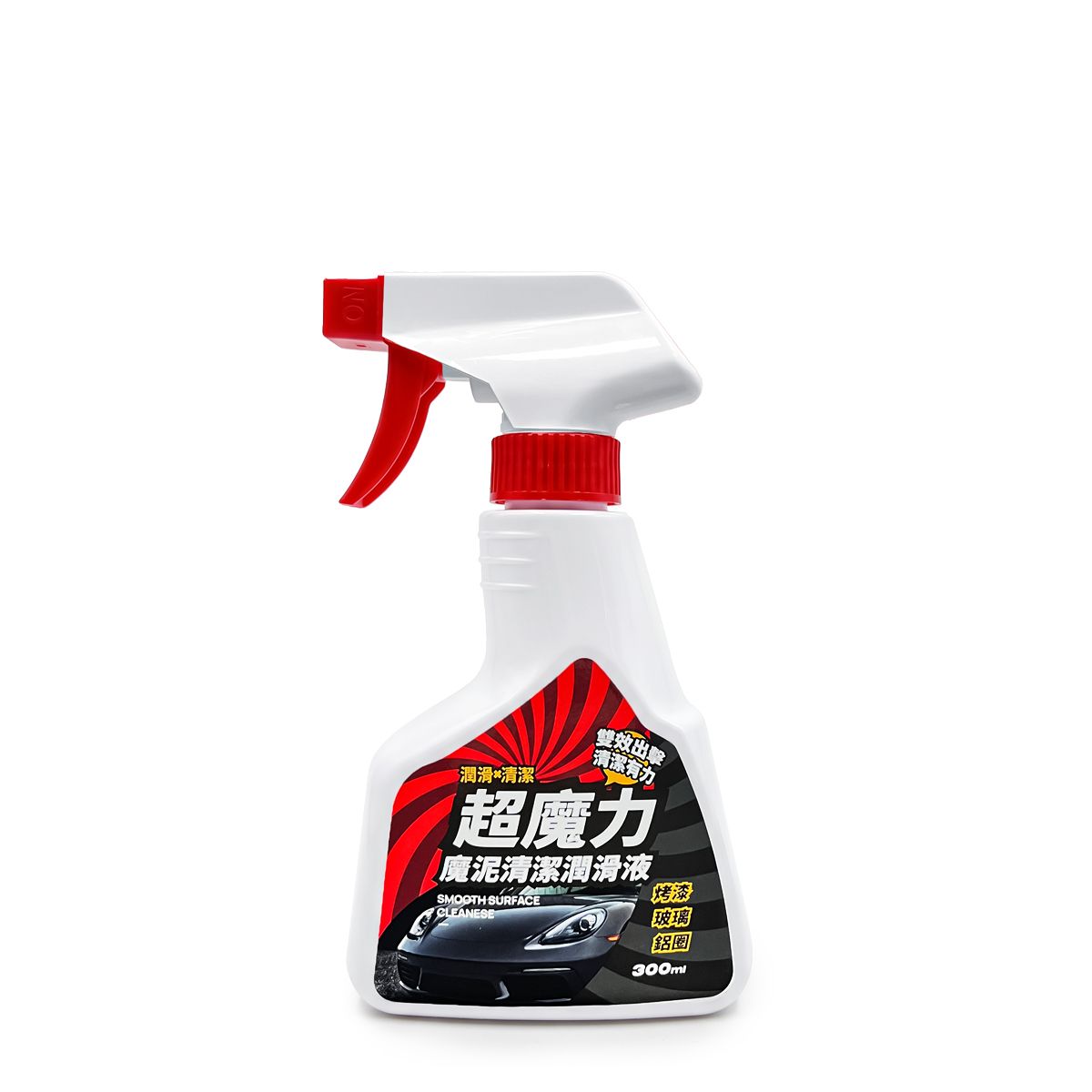
- Always work with a lubricant on the panel.
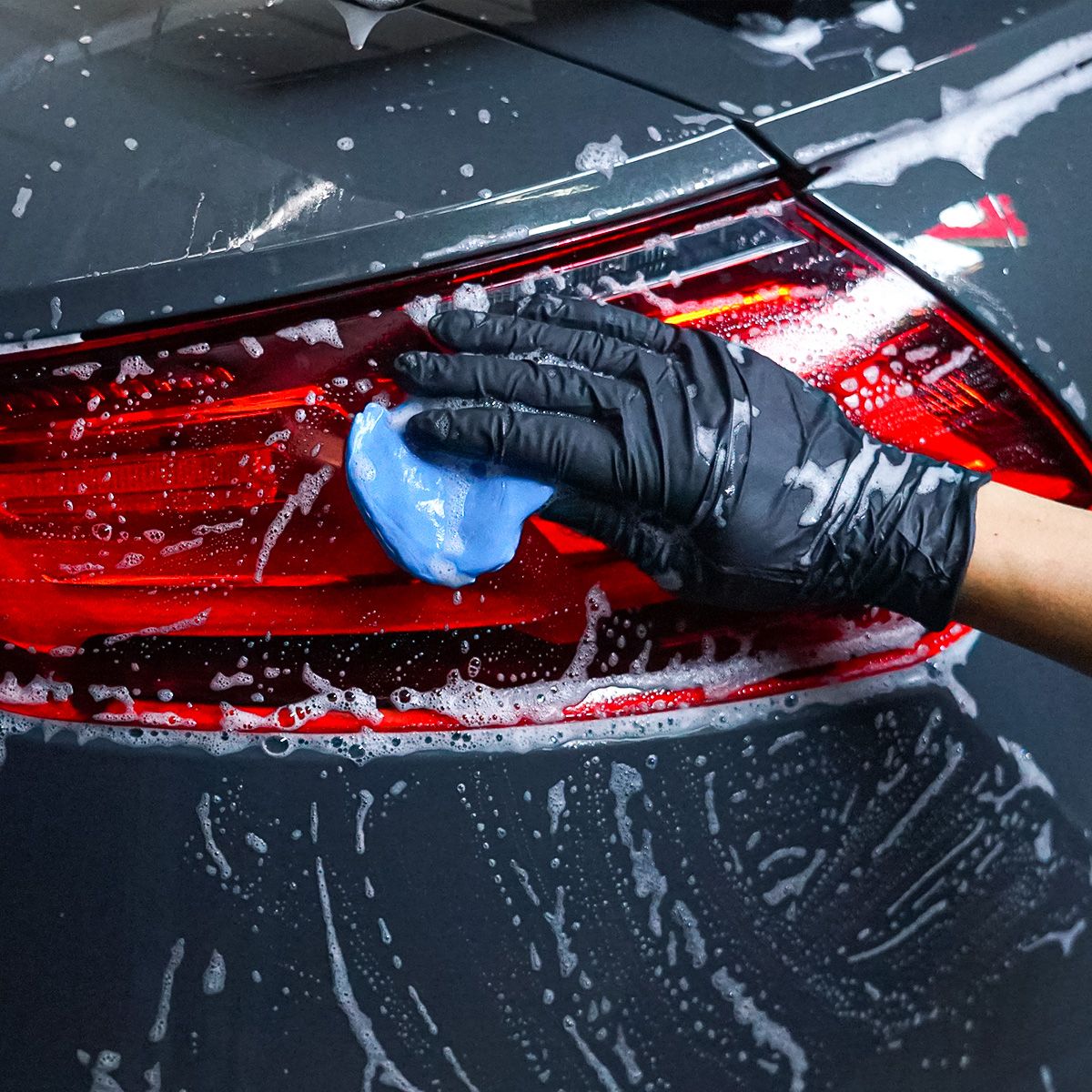
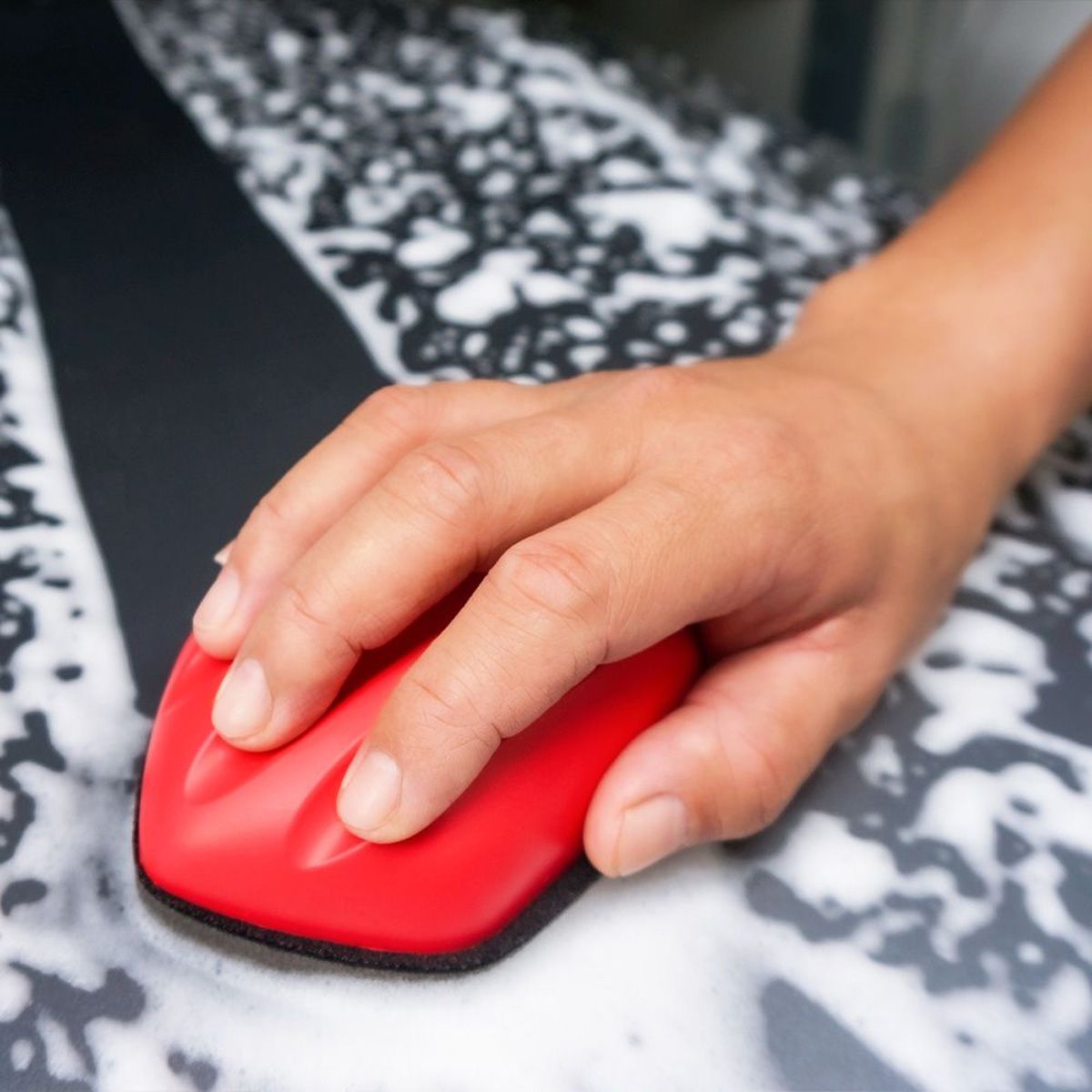
- Glide the clay lightly across the paint, feeling as you go for how much contamination is still attached.
- When the working face picks up dirt, fold that dirty part into the clay and carry on with a clean face until the panel is finished.
The clay itself is soft and easy to work with, and it stays lubricated well enough that it does not grab or stick to the body while you move it.
Where else can you use it?
The same bar works on glass, light covers, chrome, wheels and plastic trim, not only on painted panels. Those are the areas where fallout and overspray tend to be most obvious and where a wash alone leaves the most behind.
What can go wrong?
Two rules matter more than the rest.
If you drop the clay on the ground, do not put it back on the car. It will have picked up grit, and that grit will scratch the paint.
Never mix clay with petroleum-based cleaners. That includes tar removers and detailing or polishing creams and waxes. Keep those steps separate.
How do you store clay between jobs?
When the job is finished without incident, rinse the clay thoroughly under clean water. Fold any remaining dirty section into the body of the clay, then put it back in its case with some clean water added and keep it somewhere cool and shaded. Stored that way, a bar goes back into service on the next car instead of drying out.
Why is claying the step before waxing and coating?
Because it decides what the next product is bonding to. Wax or coating laid over embedded grit and iron particles sits on top of contamination rather than on the paint, and the finish reflects that. Clay first and the surface is smooth and clean, so the wax or coating you apply afterwards delivers its full effect. It is the preparation step that makes everything after it worth doing.
Who should be stocking it?
Clay is a straightforward line to carry because the demand is created by the environment rather than by fashion. Anywhere cars sit near rail lines, construction, industry or heavy traffic, paint picks up fallout, and washing does not fix it. The colour-matched grades make the range easy to explain across a counter, and the 200 g all-colour bar covers customers who work on more than one car.