Electric Foam Sprayer vs Manual Pump: What Actually Changes?
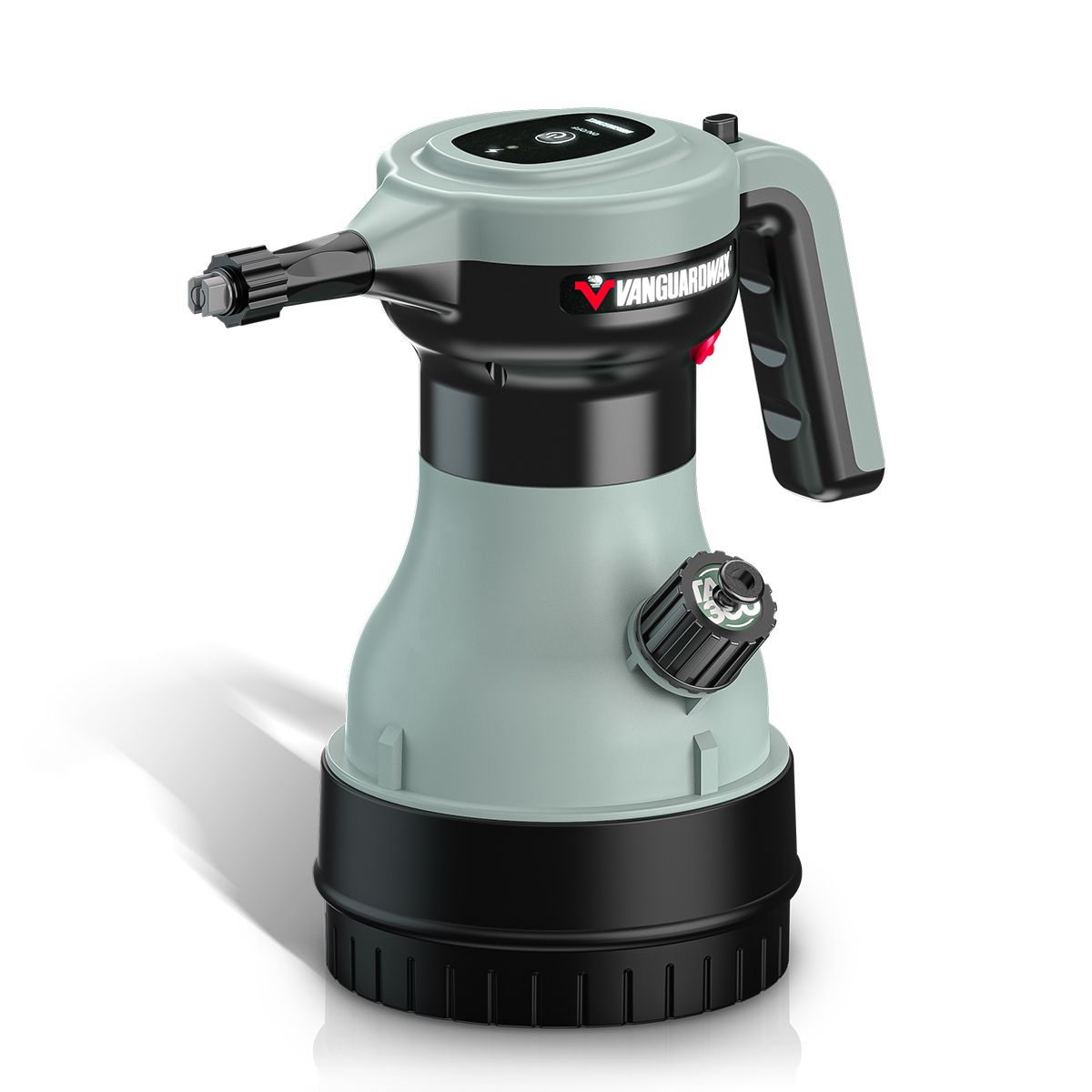
An electric foam sprayer pressurises itself, so foam stays dense from the first panel to the last. Here is how the TANK300 works and what it needs.
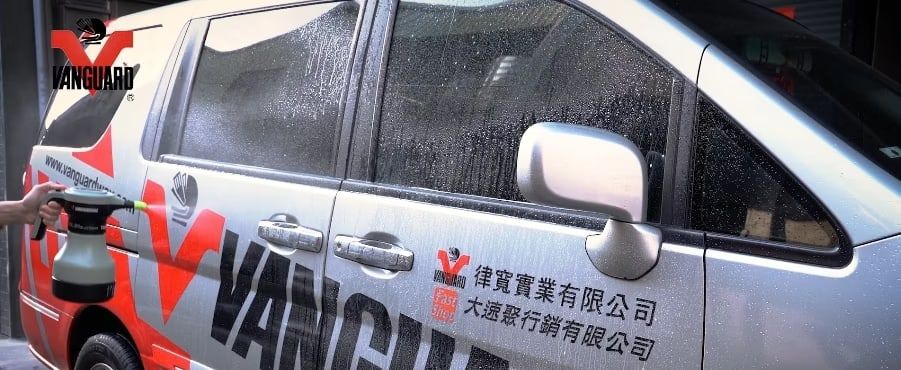
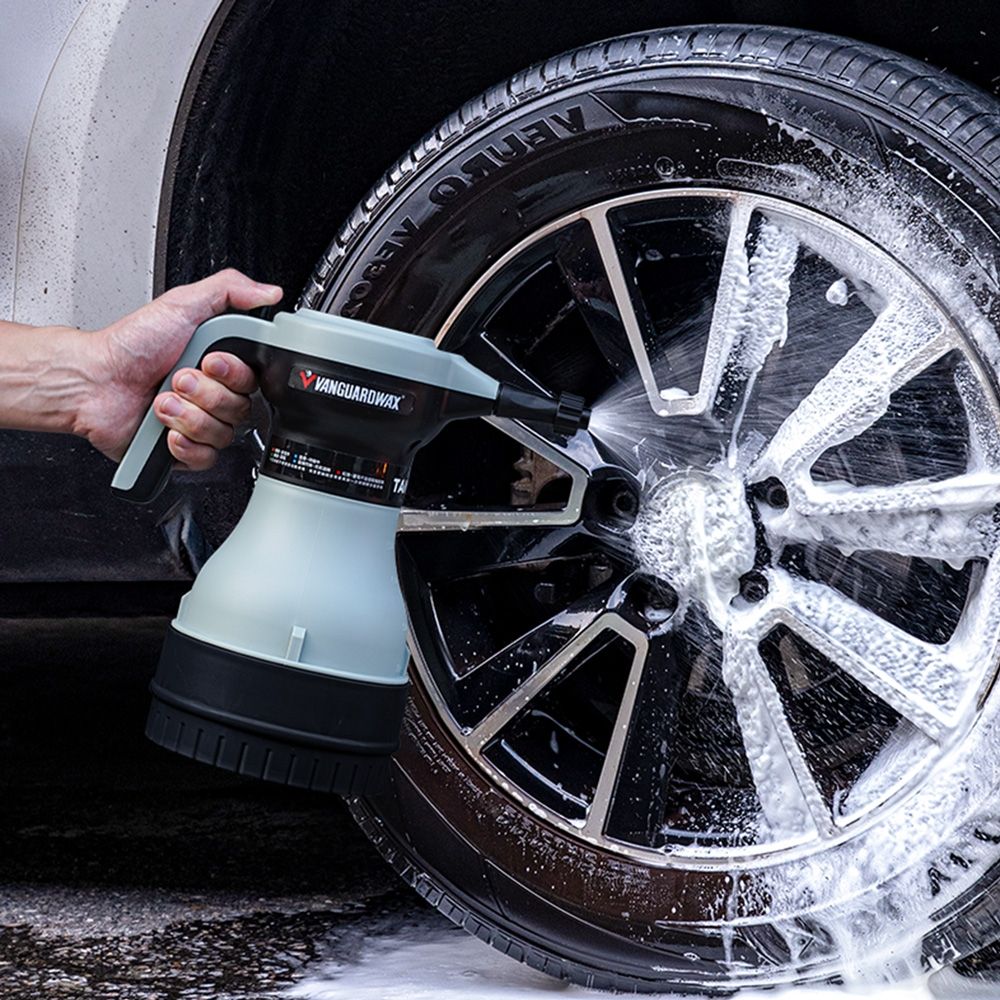
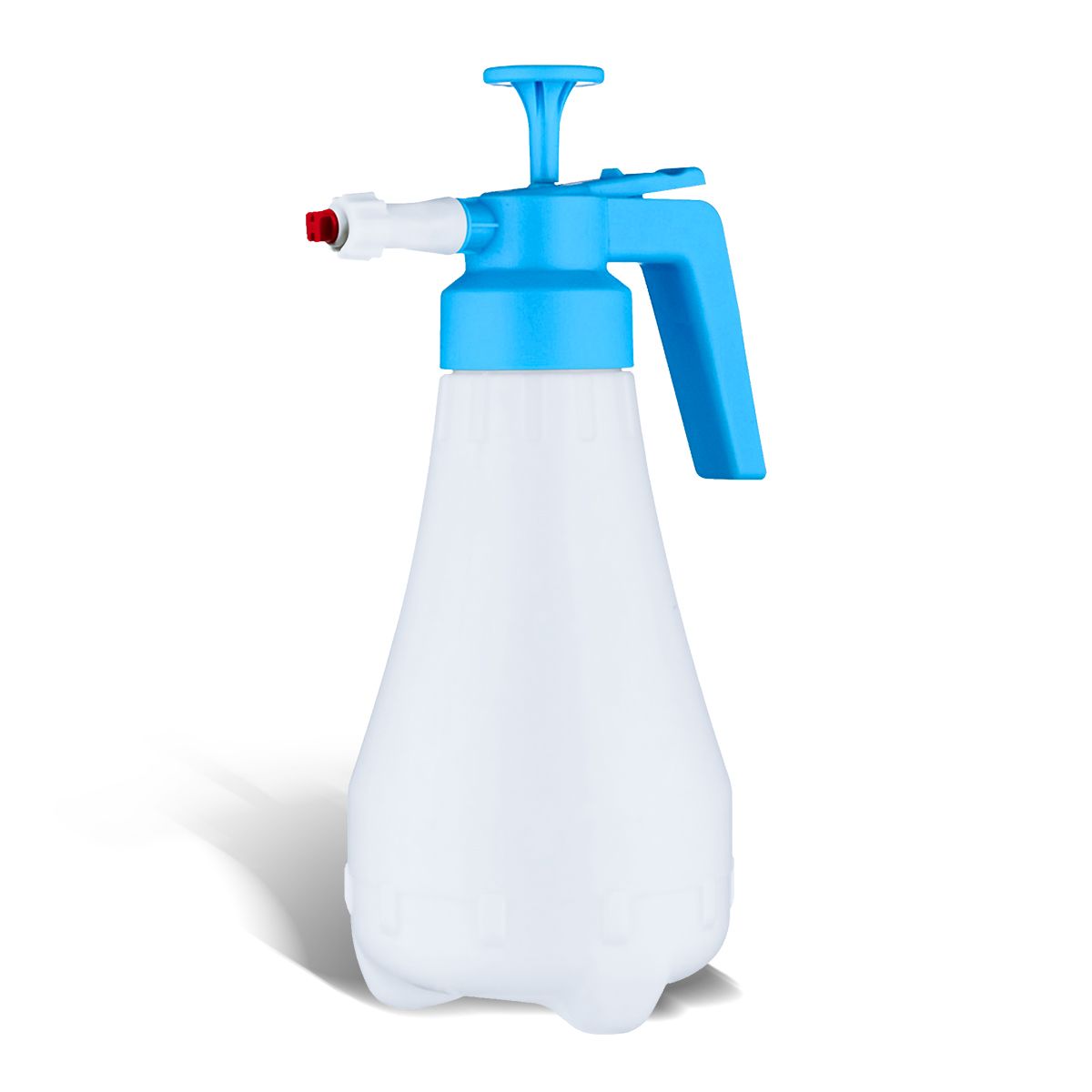
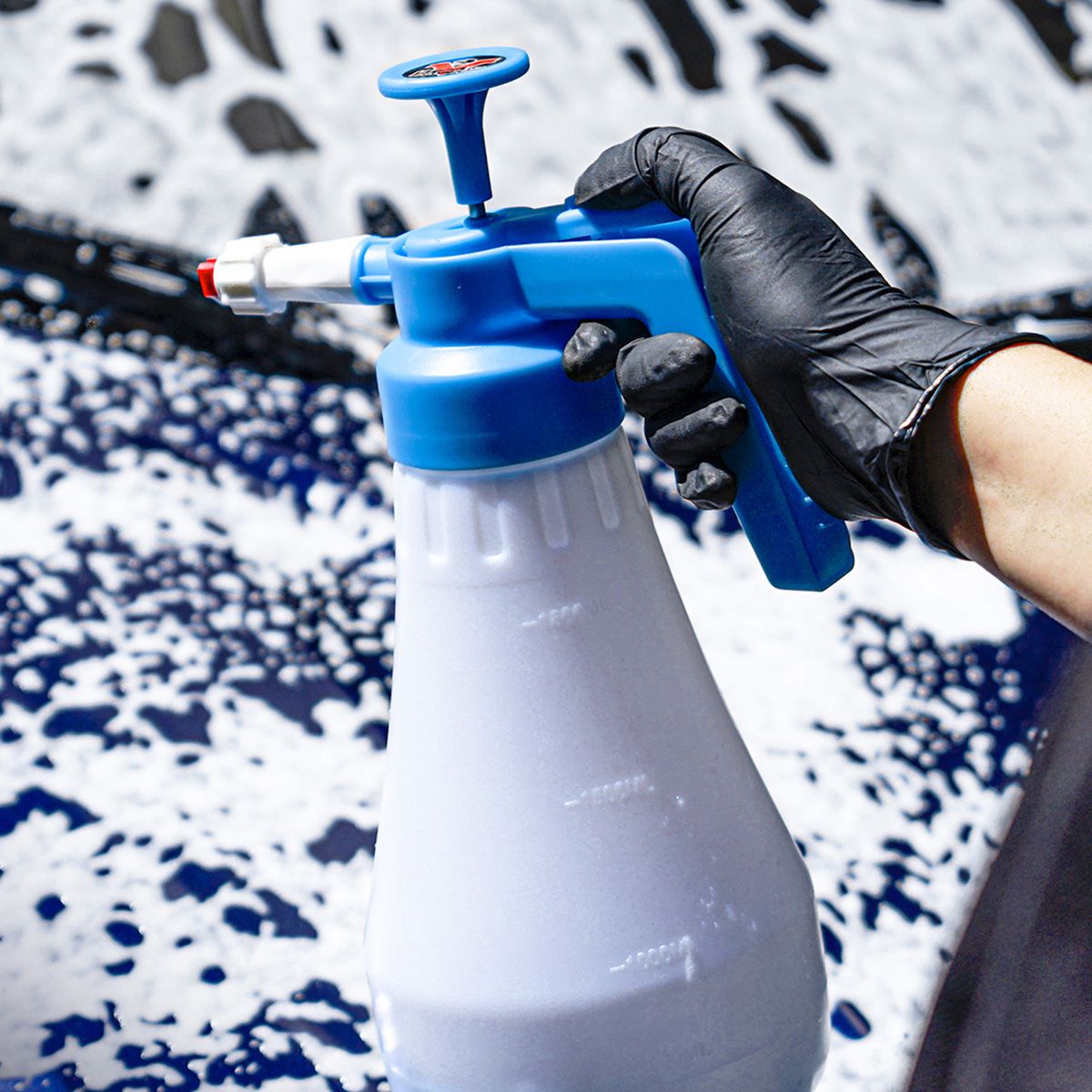
An electric foam sprayer pressurises itself, so the foam stays dense and even from the first panel to the last. With a manual pump sprayer, pressure drops as you work and you have to stop and pump again, which is where thin and patchy foam comes from. The TANK300 replaces that with automatic pressurisation, at the price of a few habits you need to learn: depressurise before opening, rinse after use, and charge it properly.
How does automatic pressurisation work?
You press one button and the unit inflates itself. The indicator light tells you where it is: blinking blue while it is pressurising, steady blue once there is enough pressure in the bottle. From there you spray dense foam whenever you want it, with no manual pumping and no external air compressor or modification needed.
The indicator lights cover the rest of the machine's state as well: orange while charging, green when fully charged, blue on standby, blinking blue while inflating, and red for low battery or a motor fault. It shuts down automatically after three minutes of inactivity; press the switch again and wait for blue to resume.
Why does depressurising matter?
Because the bottle holds pressure even when you are not spraying. Before opening any pressurised container, press the relief valve and let the pressure out. That applies every time you open the bottle to add shampoo or water, and every time you finish a session before emptying it. Releasing the pressure first is what keeps the lid from becoming a hazard.
The box includes an upgraded pull-cap style relief valve alongside the original one. It is safer and harder to trigger by accident.
Which nozzle should you use?
Each unit ships with two fan foam nozzles and one mist nozzle.
The fan nozzle throws foam in a fan shape, so it covers more area per pass, and the nozzle rotates freely so you can set the angle and lay foam evenly right around the body.
The mist nozzle breaks the liquid into finer droplets that cover the whole surface. It is not limited to cars: the same nozzle handles garden watering, air-conditioner cleaning, glass and walls. Tighten it and the spray goes misty, spreading wide with less force, which suits large areas. Loosen it and the spray becomes a concentrated column, narrower but stronger, which suits spot cleaning and stubborn dirt.
When you swap nozzles, watch the position of the O-ring, and store the spare nozzle carefully so it does not get lost. The accessory pack also includes two spare seal rings and a filling funnel. Screw the funnel on when filling so liquid goes in and out without spilling, and never fill the unit with toxic or corrosive liquids.
What maintenance does it need?
Run clean water through it after every use. Fill the container with water, let it pressurise, then spray until the water runs clear with no foam, repeating until nothing is left. That clears residual cleaning agent out of the bottle and the nozzle before the next job.
If it leaks air, check three things: whether the seal rings on the lid and filler port are loose or deformed, whether the lid and filler port are fully tightened, and whether either shows cracks or damage.
Charging is DC5V only, and never with a supply of a different voltage. Unplug it as soon as the battery is full rather than leaving it on charge. Store it charged, and charge it after each use, because a lithium battery left flat for a long time can drop too low to recover.
Where does it help most?
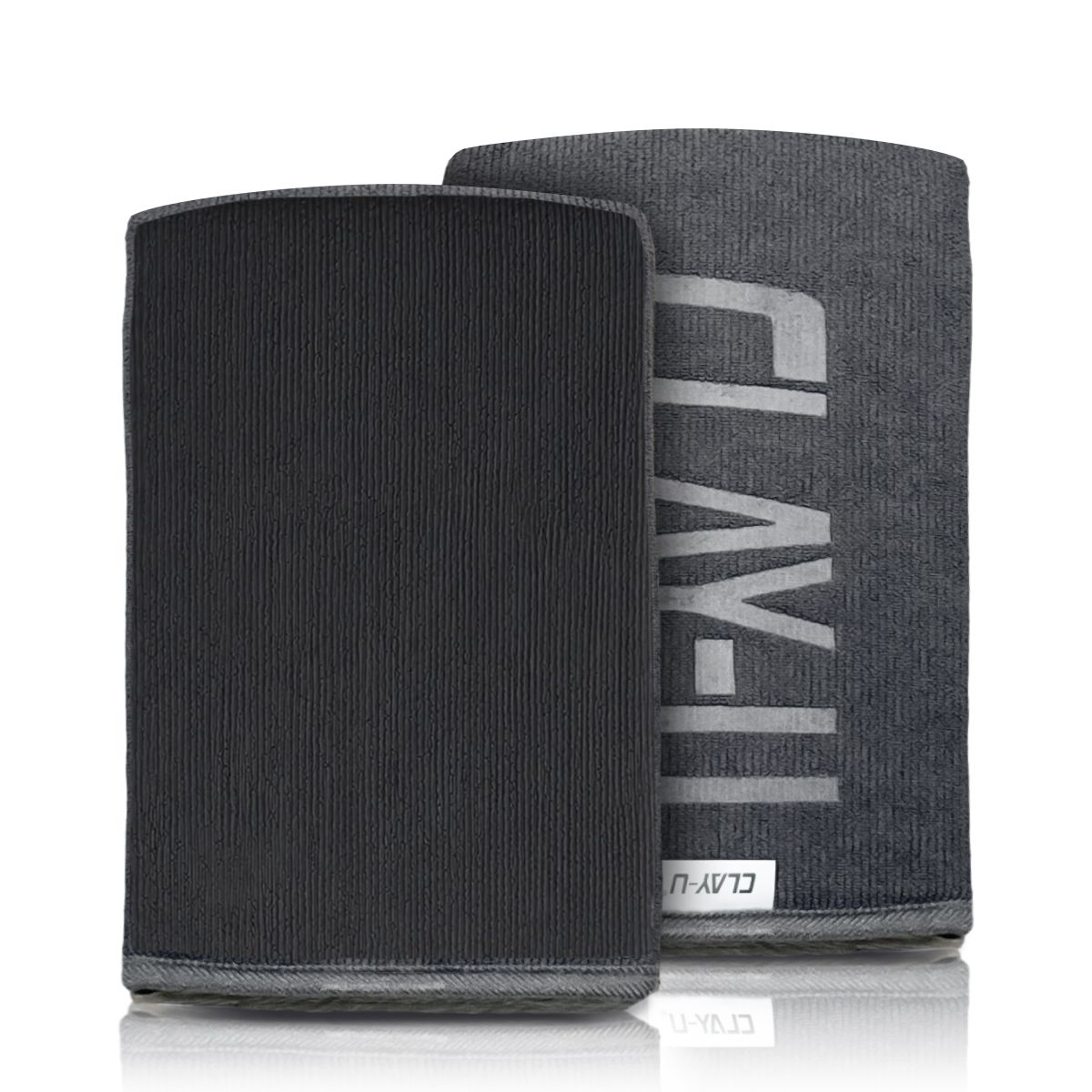
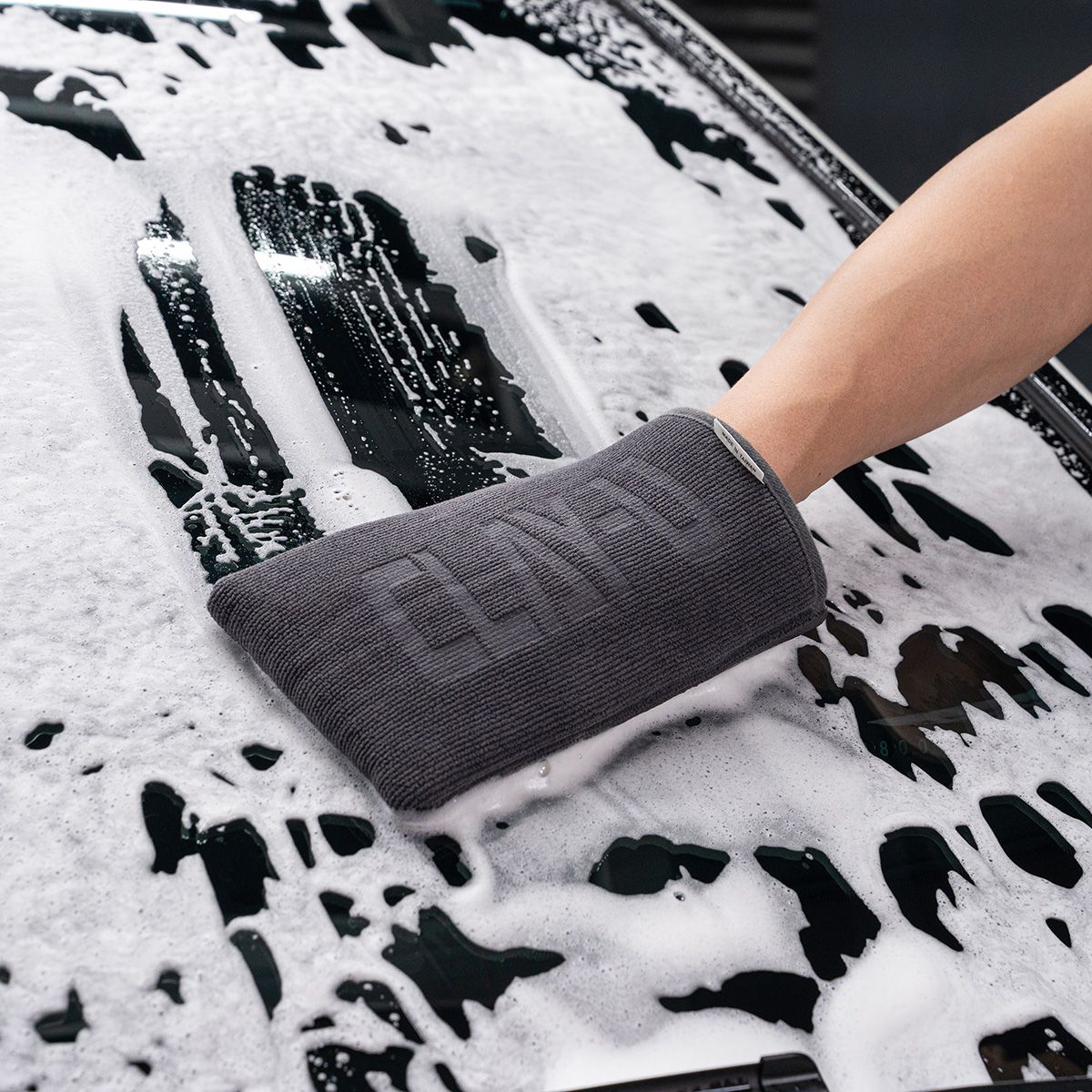
Two situations stand out. Working with a clay mitt or clay products, you can top the foam up whenever you like, which keeps lubrication up and makes washing easier without risking scratches in the paint. And working high on a vehicle, automatic pressurisation and one-touch spraying mean you are not repeatedly pumping or stretching your arm into an awkward position, which cuts both fatigue and risk.