The Windshield Savior: Clean and Protect in One Step
A foggy windshield on a rainy day usually means oil film, not a cracked glass. Here is how a nano-fluorine coating cleans and protects the glass in a single two-part process.
Esta página aún no está traducida y se muestra en inglés.
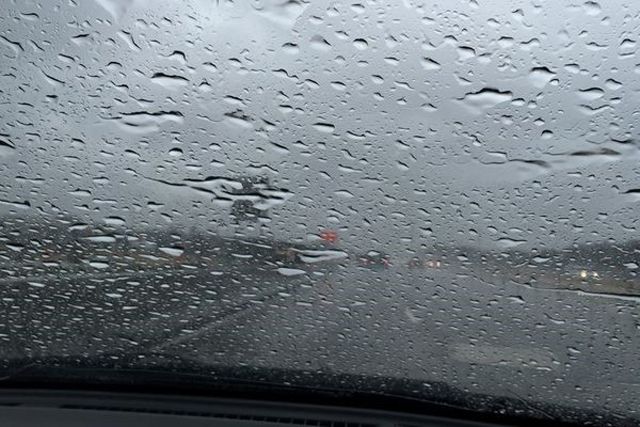
Notice your windshield turning hazy on a rainy day? It's not a sign you need a new windshield — it's oil film, and it's time to remove it. Once it's gone you'll notice the difference immediately. But there's a second half to the job: is your windshield water-repellent coated? Water repellent coating lets more light through the glass for clearer night driving, and helps keep dirt from sticking so the wipers move more smoothly.
Exhaust residue, road spray and leftover detailing product build up on the windshield over years of sun exposure, forming an oil film that can't be wiped away. It makes rain hard to clear and causes the wiper to judder, blurring your view and affecting driving safety.
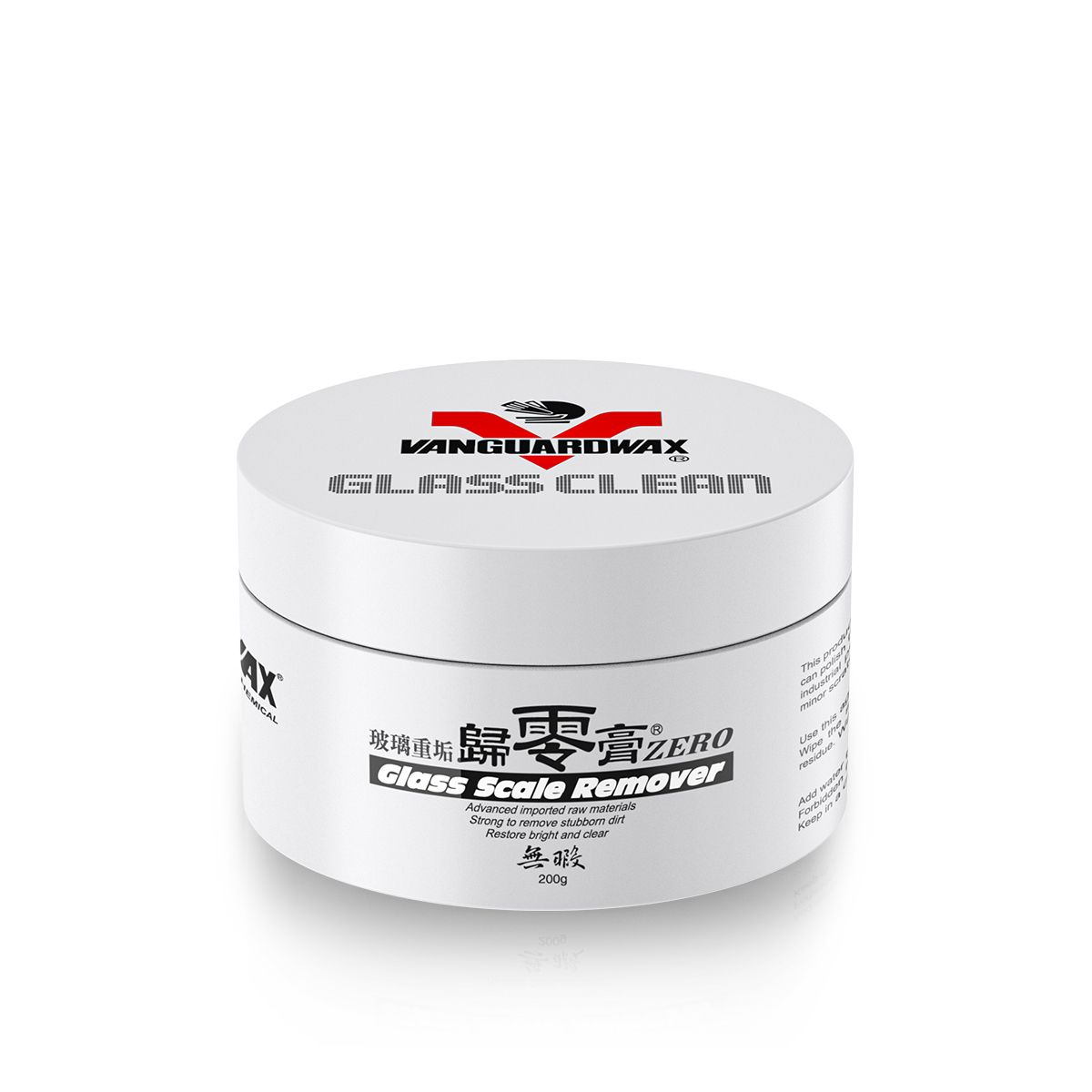
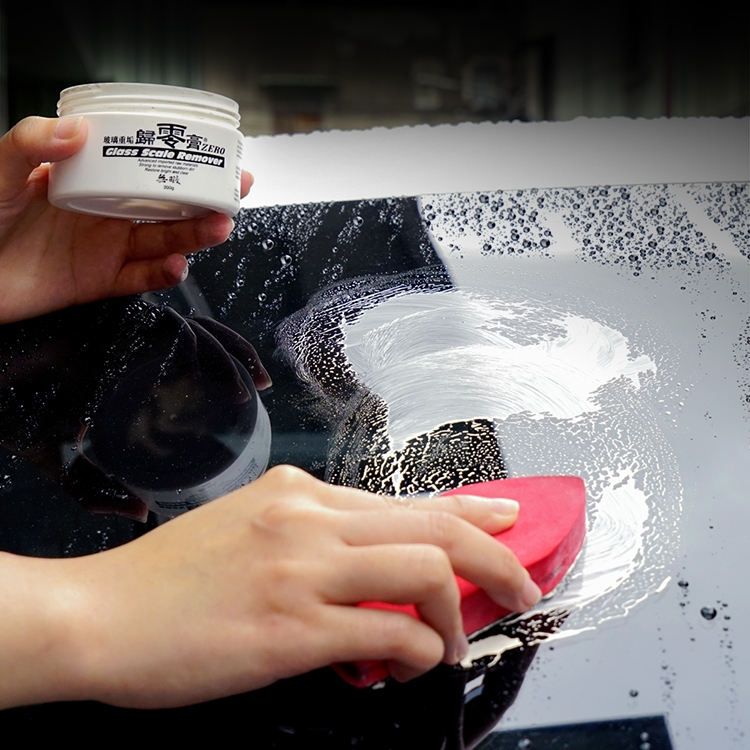
Many people know the oil film needs to go, but aren't sure how to use the right remover. A good glass oil-film remover clears stubborn rain scale and film completely without scratching the glass, while also stopping wiper judder and noise and extending wiper life. And no — removing the film doesn't finish the job.
You still need a nano-fluorine water-repellent coating on the clean windshield to fill the glass's invisible pores and form a protective layer. Once applied, rain beads and slides off the moment it touches the surface, keeping your view clear at speed without needing the wipers. It also carries anti-fouling properties, so dirt is less likely to stick and oil film is slower to build back up. A clean windshield means a clearer view and real driving safety.
The nano-fluorine layer that protects the windshield
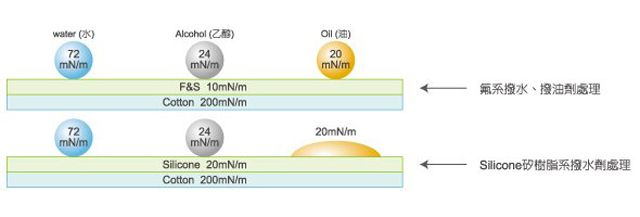
Fluorine is a chemical element commonly used industrially as a surfactant for waterproofing and rust prevention.
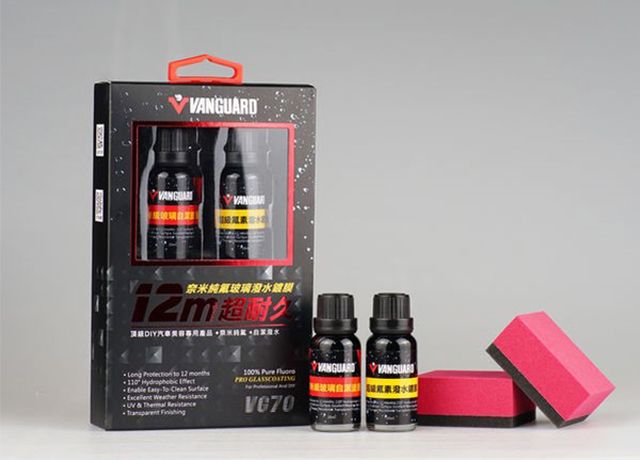
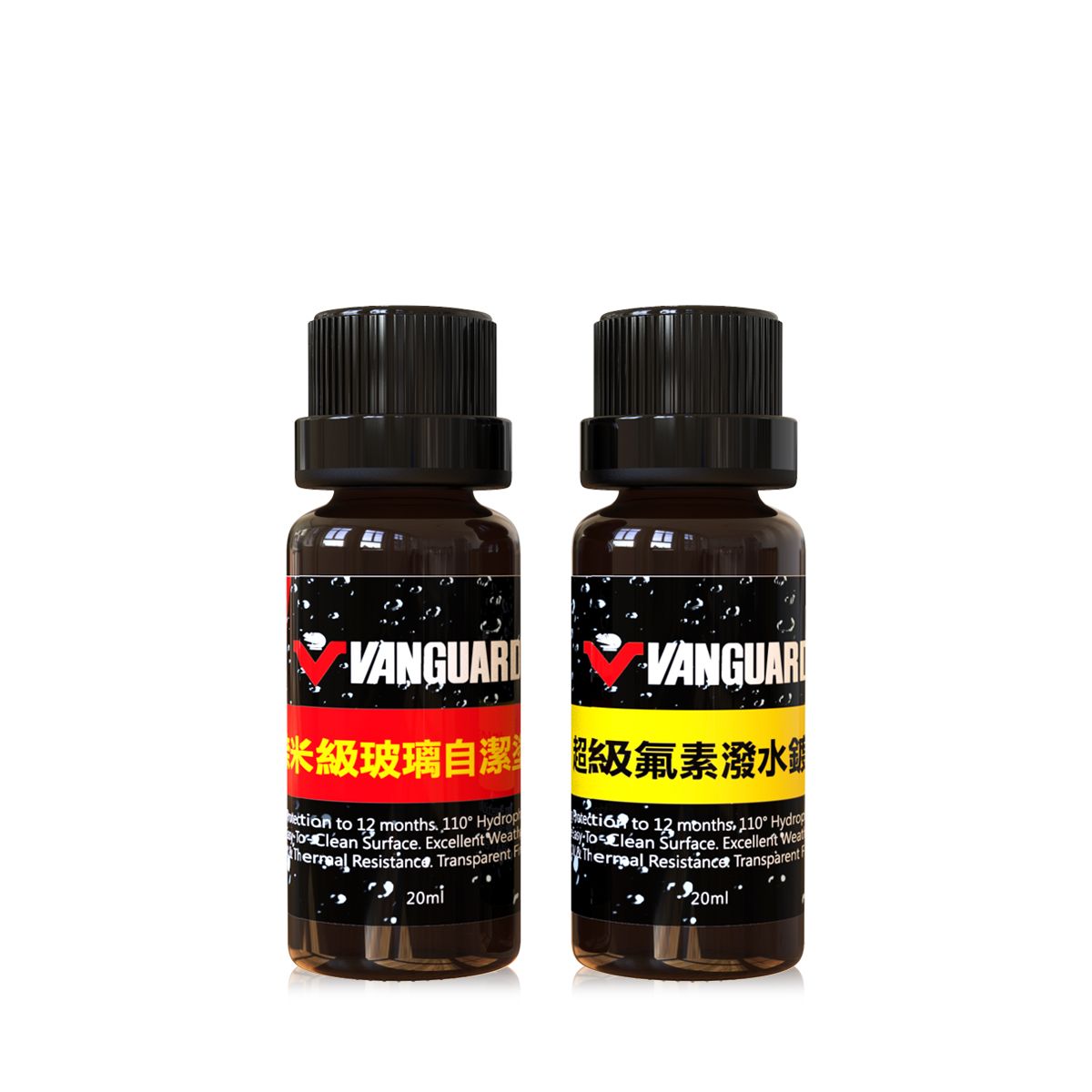
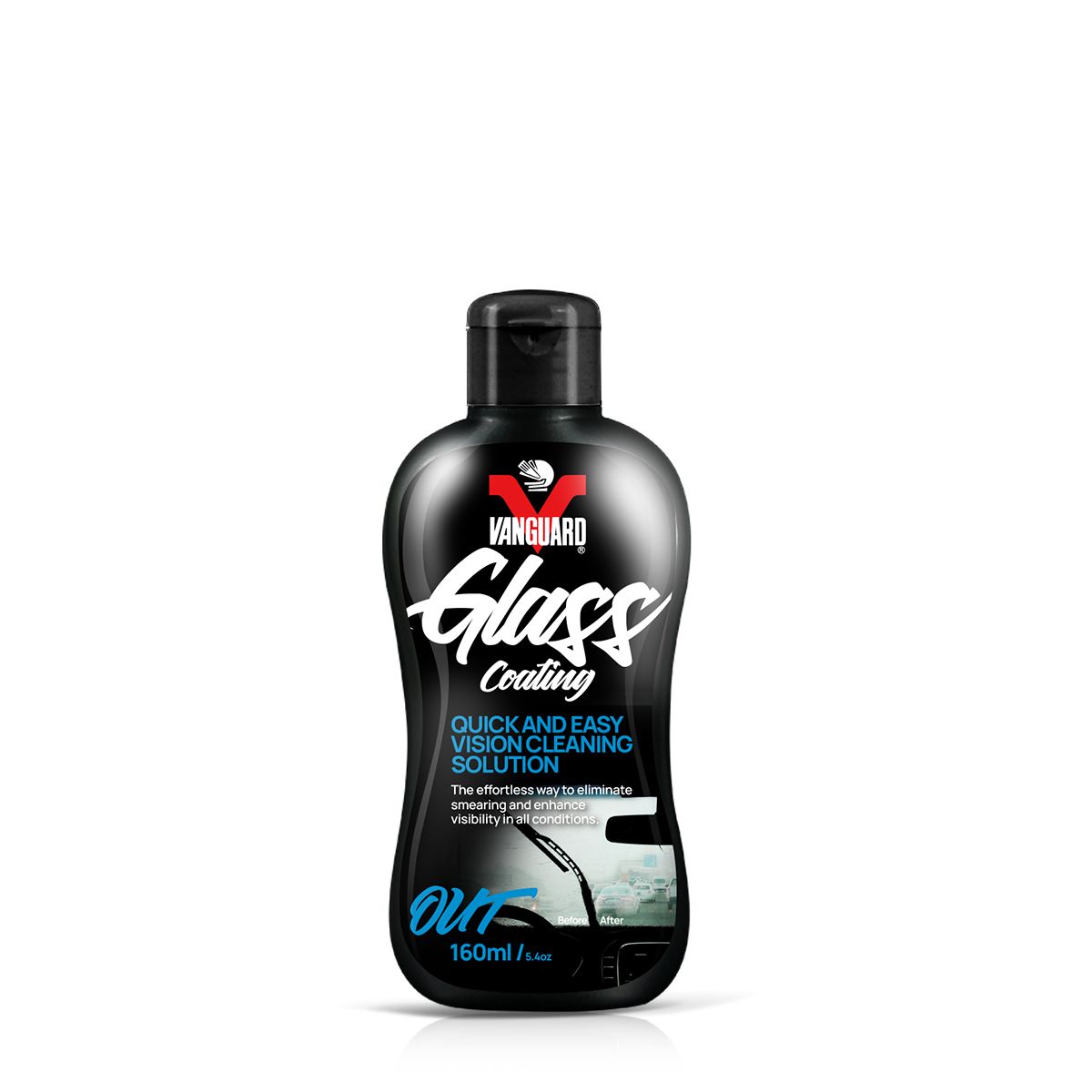
VANGUARDWAX's two-part nano-fluorine coating system
Clean the oil film off the windshield thoroughly first, then use a chemical reaction to build a nano-fluorine layer on the glass. The water-repellent effect can last up to 12 months, and the fluorine layer resists weather and everyday wear that would otherwise degrade it. Its hydrophobic and oleophobic properties also reduce oil-film buildup while keeping the glass clean — cleaning and protection in one process.
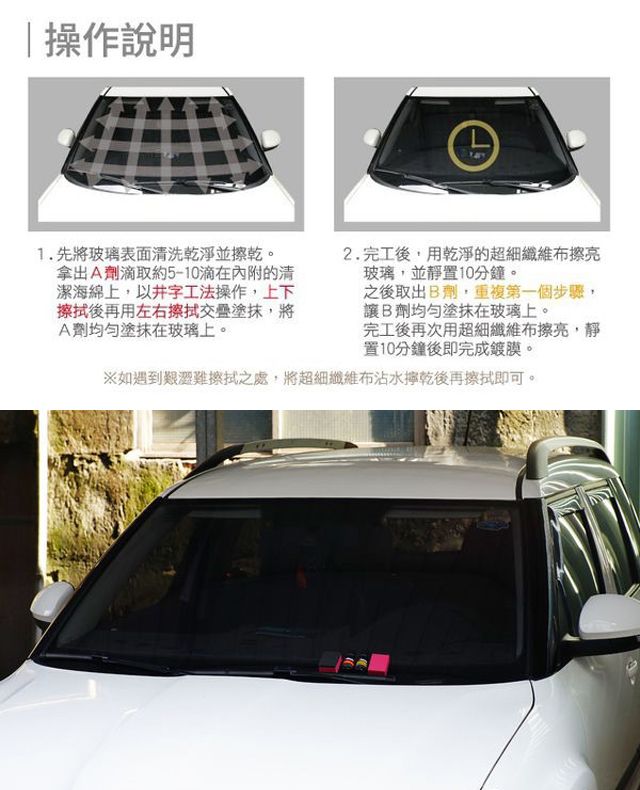
Application — simple enough for any DIY owner
- Clean the windshield first.
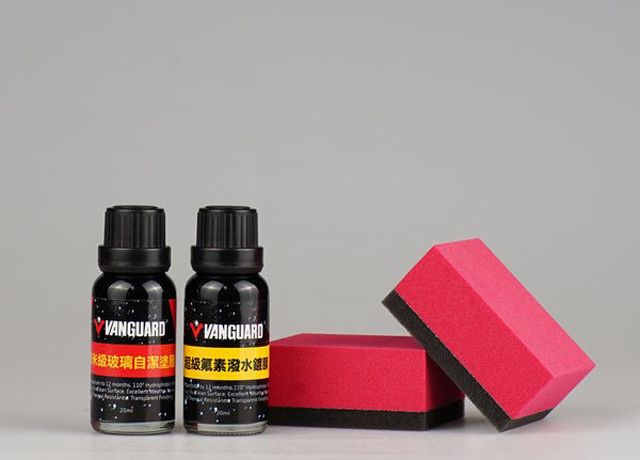
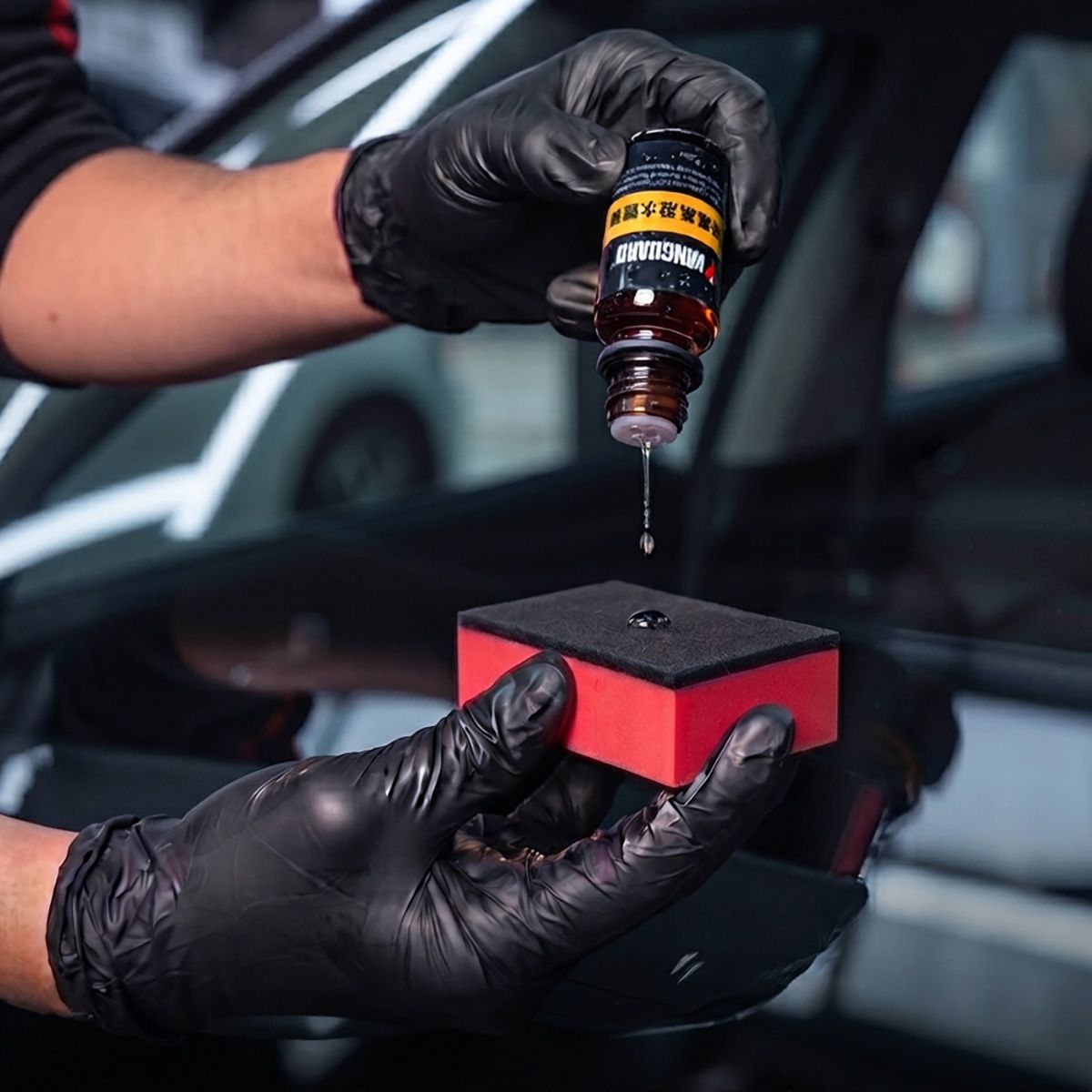
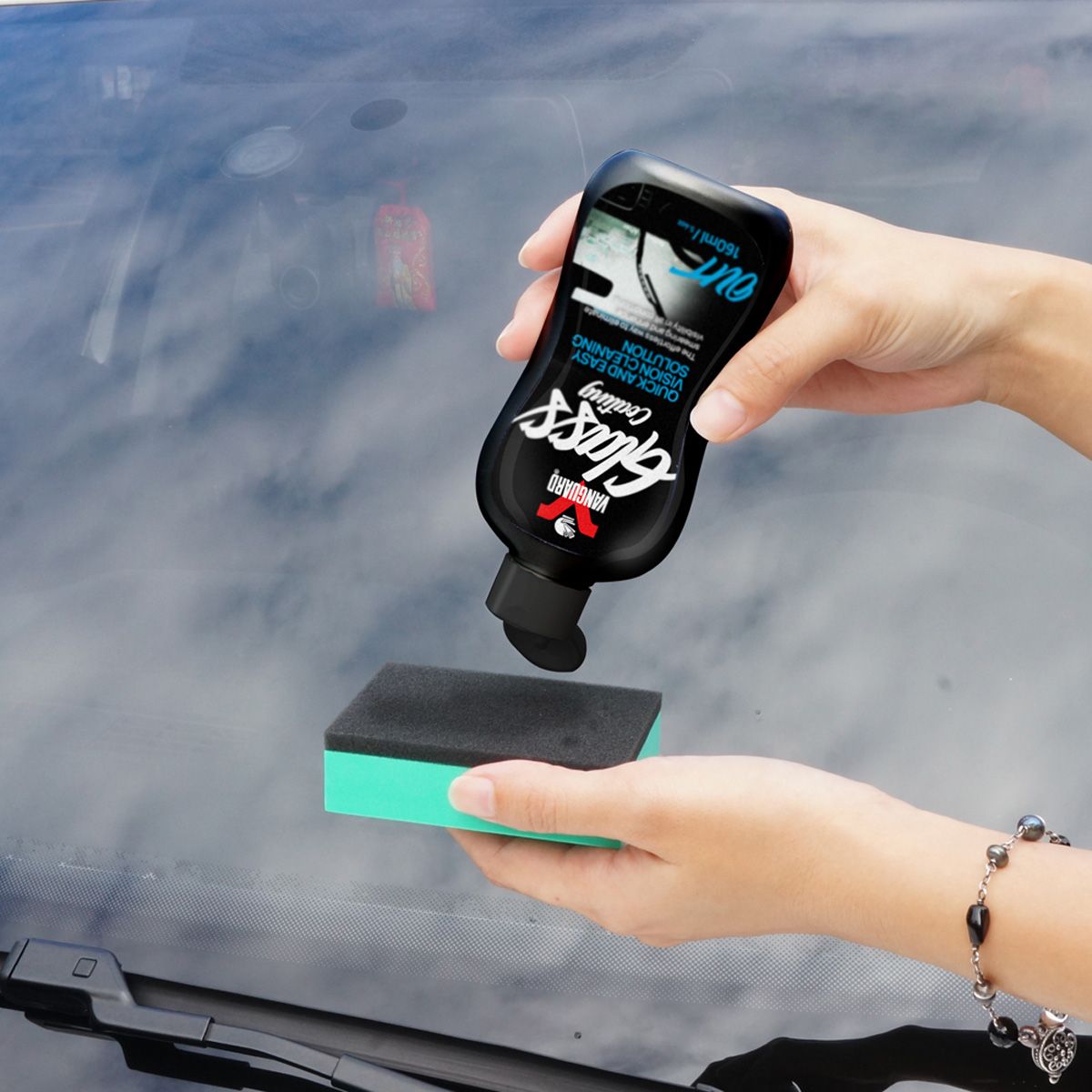
- Take out the self-cleaning coating agent (Agent A) and the included sponge, and dampen it with about 5–10 drops of Agent A.
- Apply it back and forth across the windshield in a tic-tac-toe pattern, spreading evenly.
- Wipe with a clean microfiber cloth, then let Agent A cure for 10 minutes.
- Take out the nano-fluorine coating agent (Agent B), and apply about 5–10 drops onto the sponge.
- Apply it back and forth across the windshield in a tic-tac-toe pattern, spreading evenly.
- Let Agent B cure for 10 minutes, then buff with a clean microfiber cloth.
If a spot is hard to buff clear, dampen the microfiber cloth slightly and go over it again.