

دليل
PVA Water Absorbing Block vs Sponge: Which Clears Water Faster?
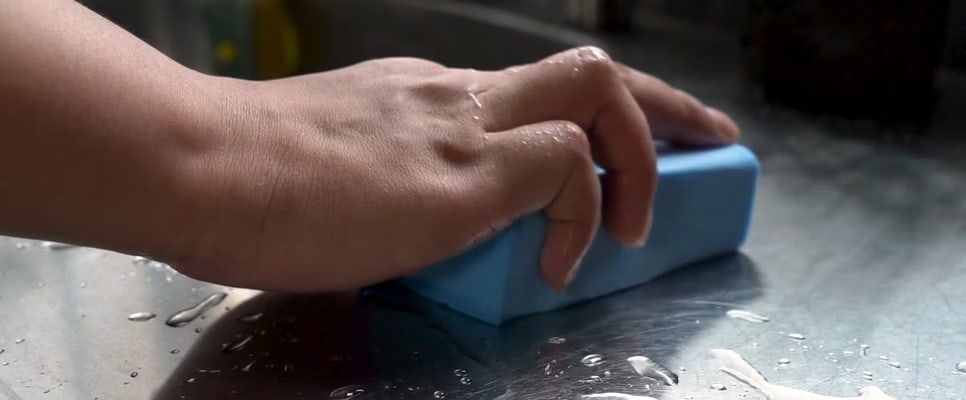
A PVA water absorbing block locks water in on contact, where an ordinary household sponge cannot keep up. Here is where that difference matters.
A PVA water absorbing block locks water in on contact, where an ordinary household sponge cannot keep up. Here is where that difference matters.
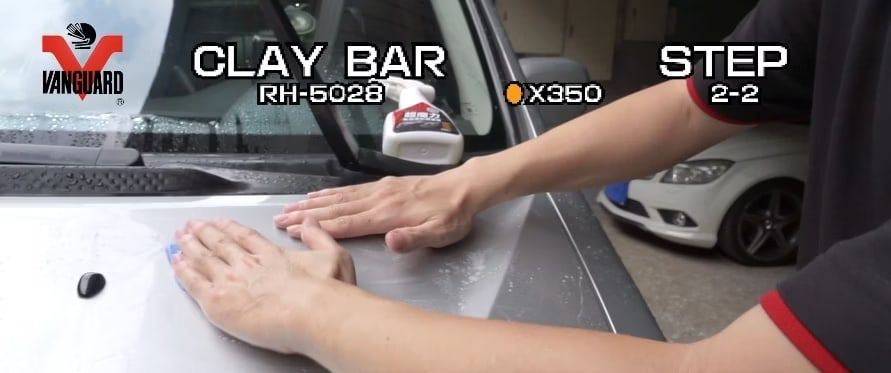
Washing removes what is loose; clay removes what is bonded. Here is how to pick a grade, use it safely and store it between jobs.
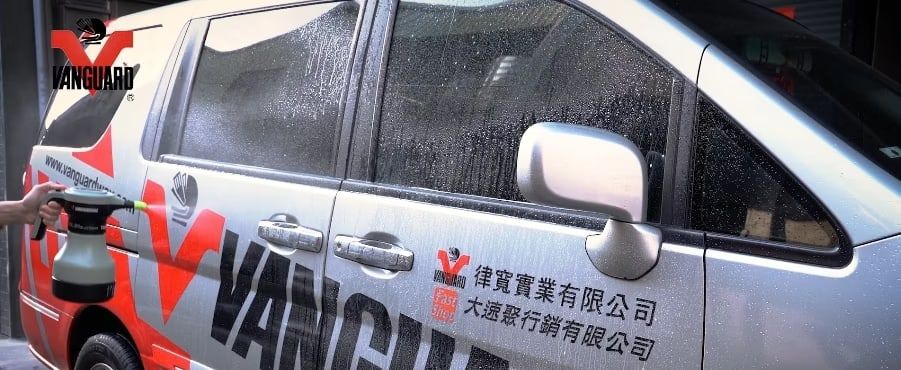
An electric foam sprayer pressurises itself, so foam stays dense from the first panel to the last. Here is how the TANK300 works and what it needs.
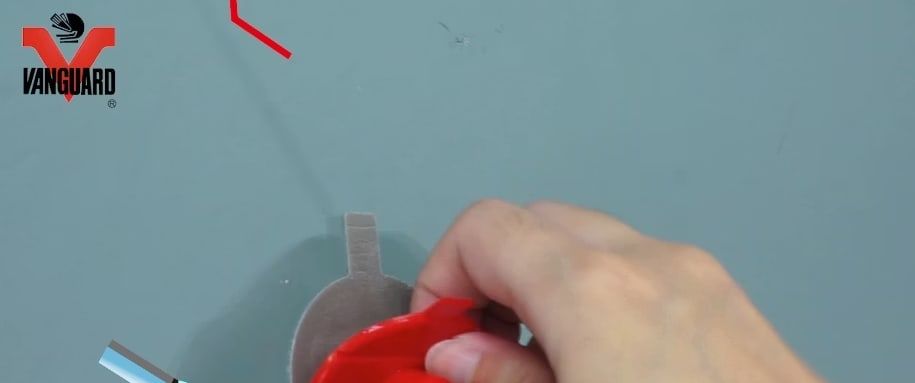
A stone chip can turn into a running crack. A DIY repair kit fills the damage and stops it spreading, if you get to it within a week.
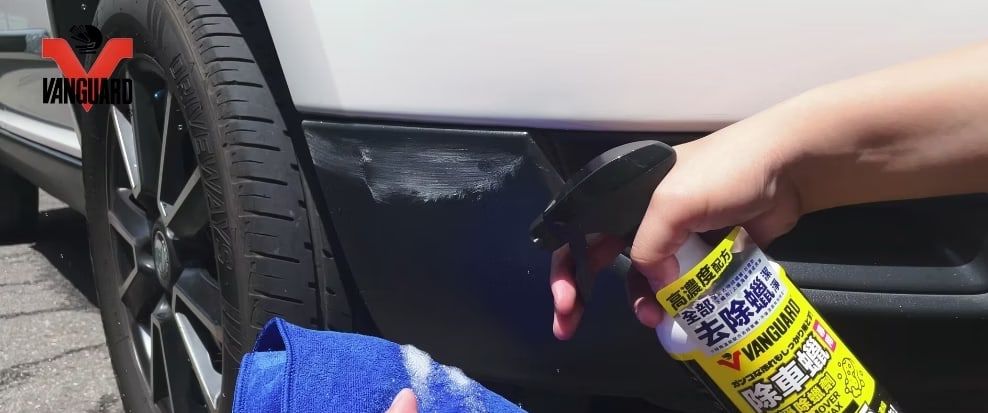
Wax and polish leave an oily film that shampoo cannot break down. Here is how a wax remover restores sponges, pads and mitts to a clean, soft state.
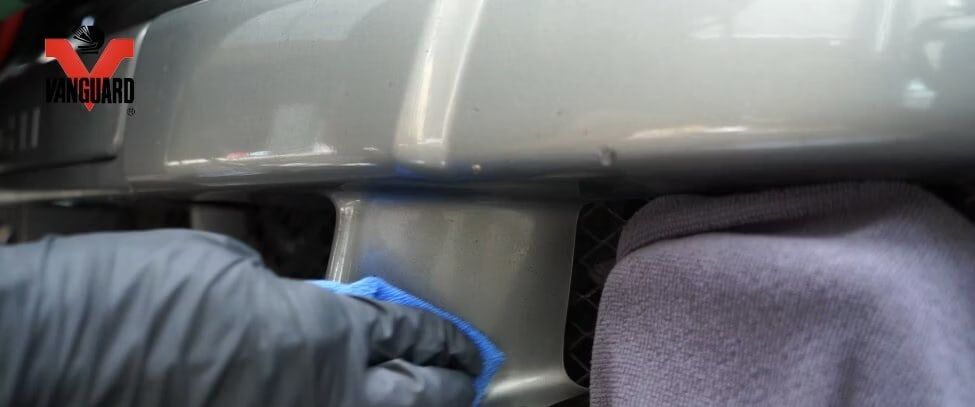
Foam and shampoo will not shift tar, bugs, sap or old adhesive. A dedicated tar and bug remover dissolves them so they wipe away instead of being scrubbed off.
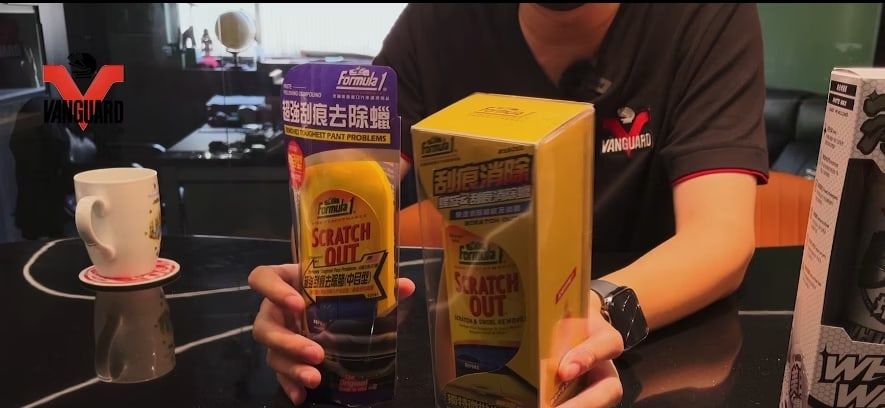
A cleaner wax removes what shampoo leaves behind; a finishing wax protects and adds gloss. Here is how to tell which one your paint needs today.
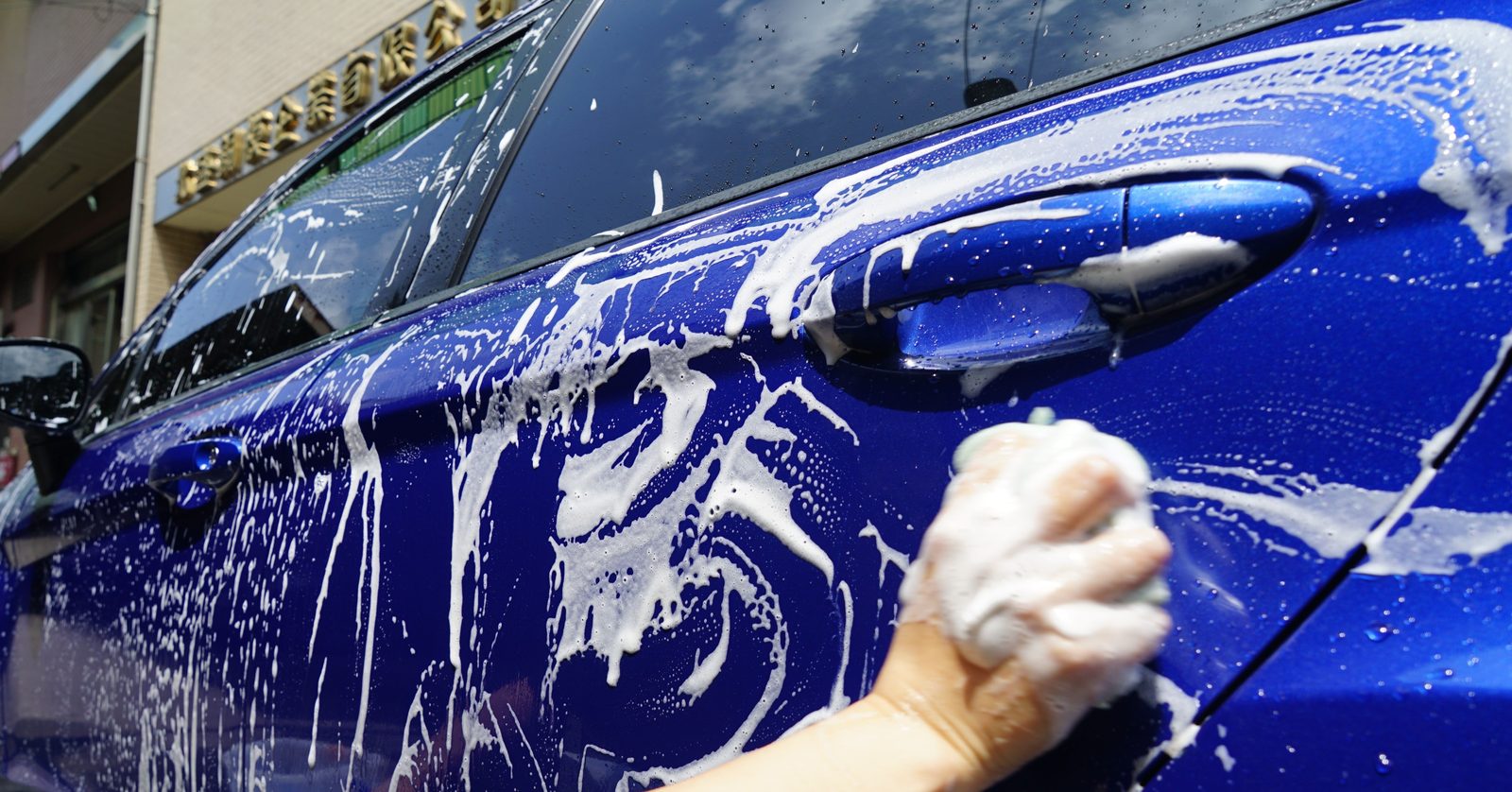
One bucket of foam, one of rinse water, and the grit goes into the bucket instead of back onto your paint. The full DIY two-bucket wash routine.
Paste, soft, liquid and spray wax compared: which is easiest to apply, which lasts longest, which suits a machine, and why wax should stay off trim.